When Napoleon Brought Berlin’s Treasures to Paris: The Quadriga’s Journey
Napoleon seized the Quadriga sculpture from Berlin’s Brandenburg Gate in 1806 and brought it to Paris as war booty; it was returned to Berlin in 1814 after Napoleon’s defeat.
Napoleon seized the Quadriga sculpture from Berlin’s Brandenburg Gate in 1806 and brought it to Paris as war booty; it was returned to Berlin in 1814 after Napoleon’s defeat.
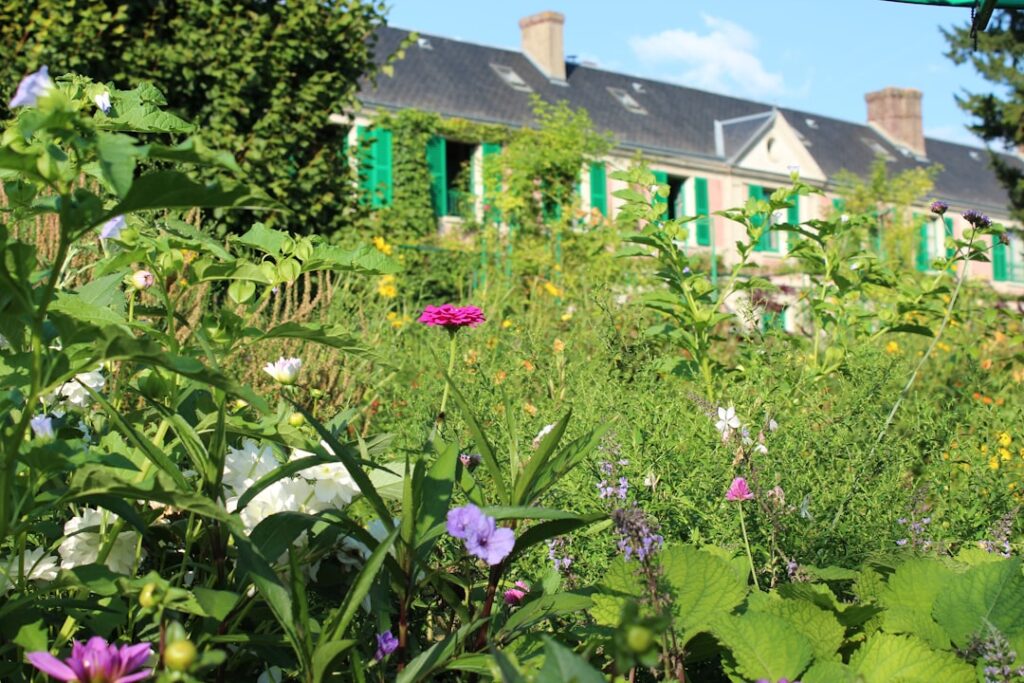
An hour from Paris, Claude Monet’s home and gardens in Giverny offer one of France’s most beautiful day trips. Here’s how to visit the water lilies, the Japanese bridge, and the Norman village that inspired Impressionism.
Stretching along Boulevard Richard-Lenoir, Marché Bastille is Paris’s biggest and most vibrant open-air market. Here’s how to shop like a local at this Sunday morning institution.
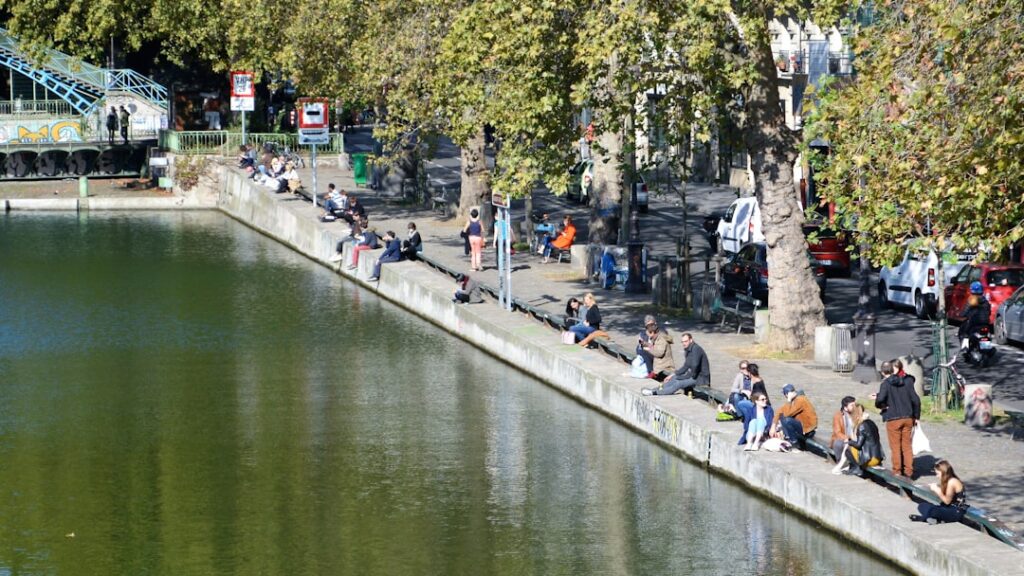
From iron footbridges to waterside cafés, Canal Saint-Martin has become one of Paris’s most beloved hangouts. Here’s how to explore this trendy neighborhood like a local.
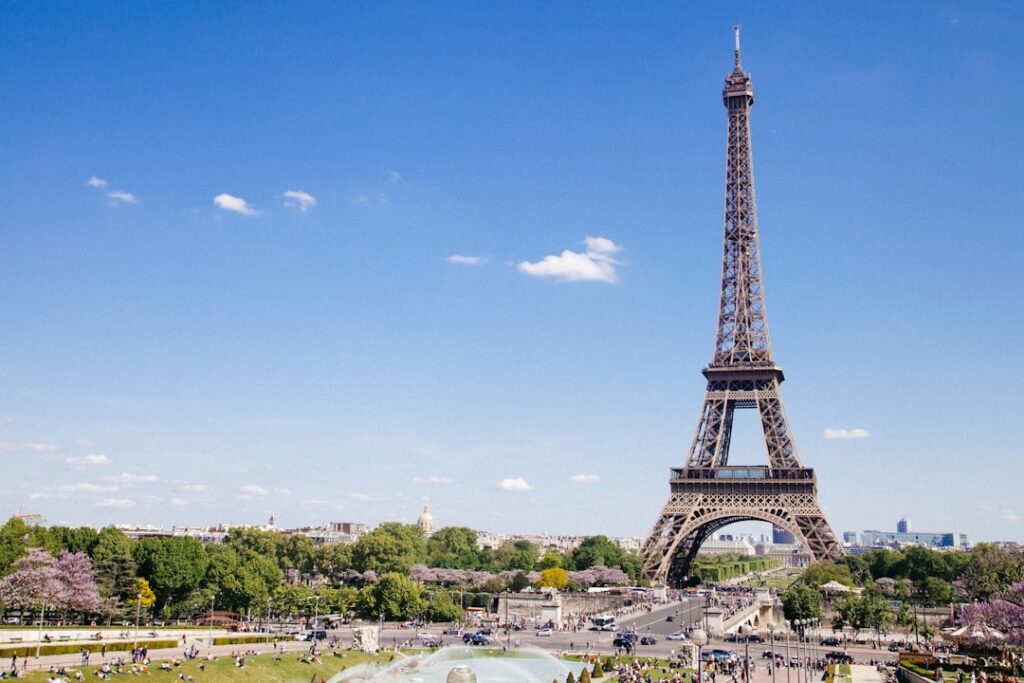
Everything you need to know to make the most of your visit to Paris’s iconic iron lady, from the best times to go to which level to choose.
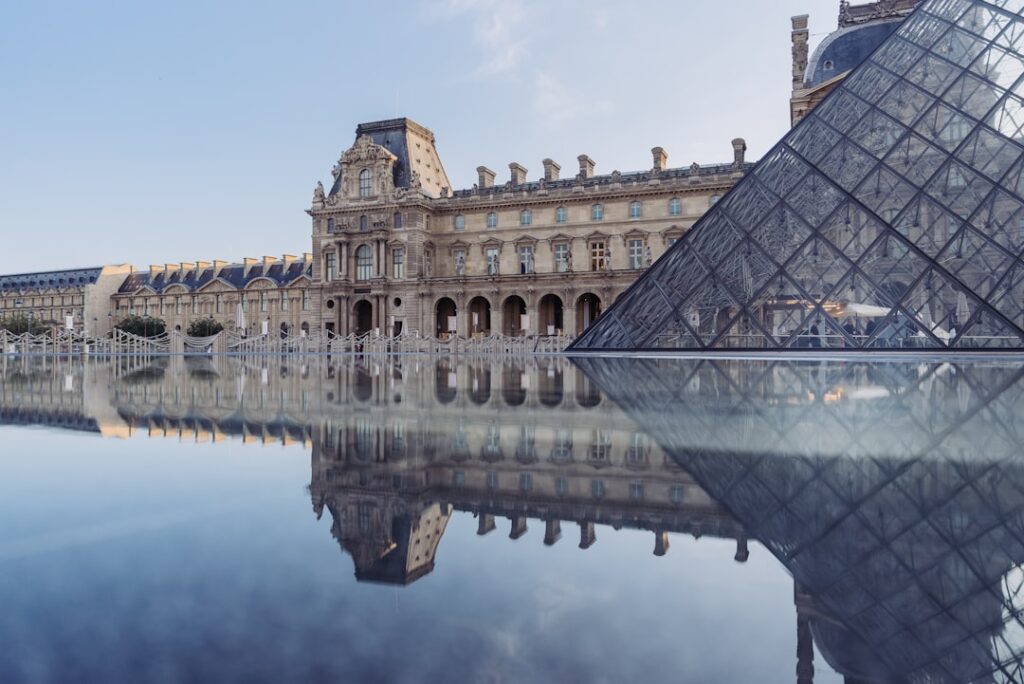
Château de Vaux-le-Vicomte is located 55km from Paris, and its 1661 inauguration party directly led Louis XIV to create Versailles using the same architects (Le Vau, Le Brun, Le Nôtre), fundamentally changing Paris’s relationship with royal power when the court moved to Versailles in 1682.
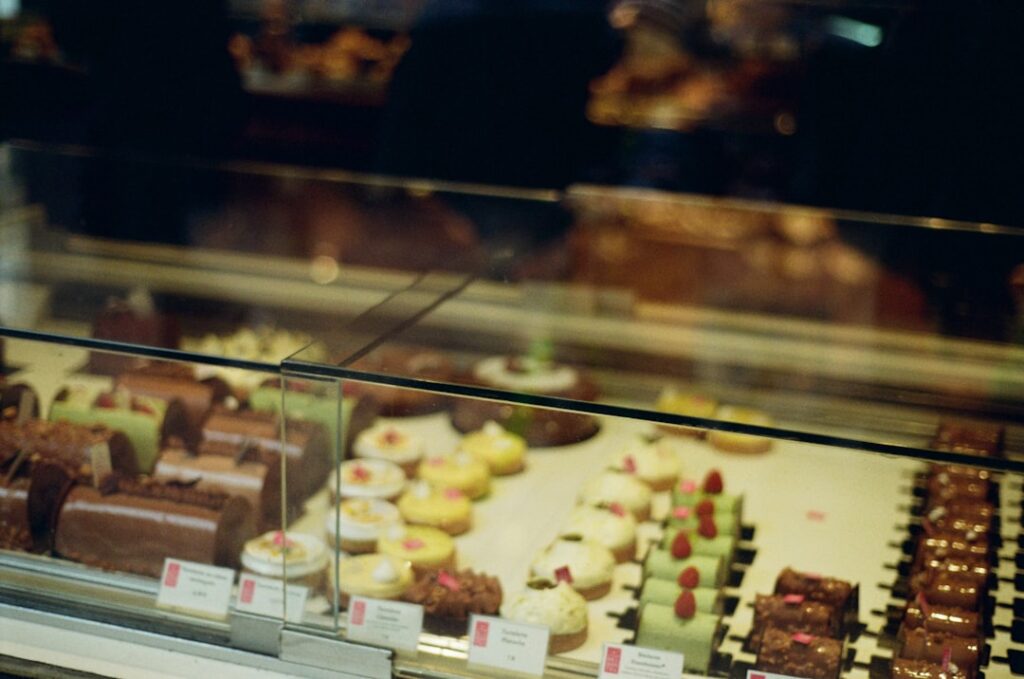
From artisan bean-to-bar makers to historic chocolatiers, discover where to find Paris’s finest chocolates, truffles, and hot chocolate.
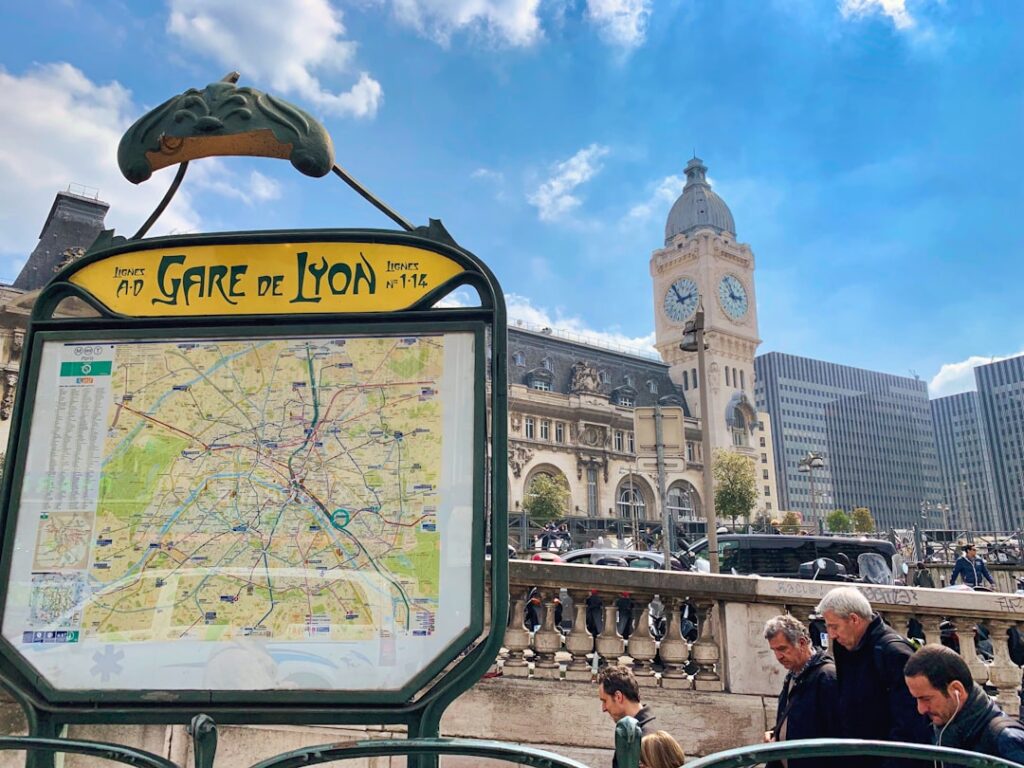
The Fréjus (Mont Cenis) rail tunnel opened in 1871 and put Paris and Rome a train ride apart. Today there is no direct train: you go Paris to Milan by high-speed train through the French-Italian Alps, then change for Rome.
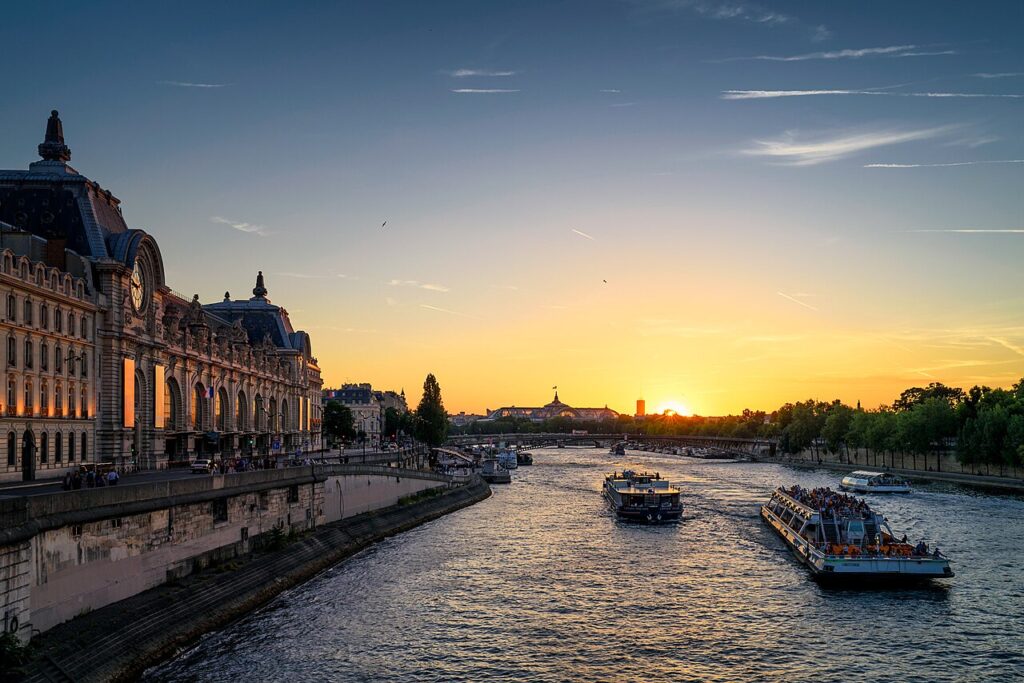
From Monet’s water lilies to Van Gogh’s starry nights, the Musée d’Orsay holds the world’s finest collection of Impressionist art. Here’s how to make the most of your visit to this spectacular Beaux-Arts museum on the Left Bank.
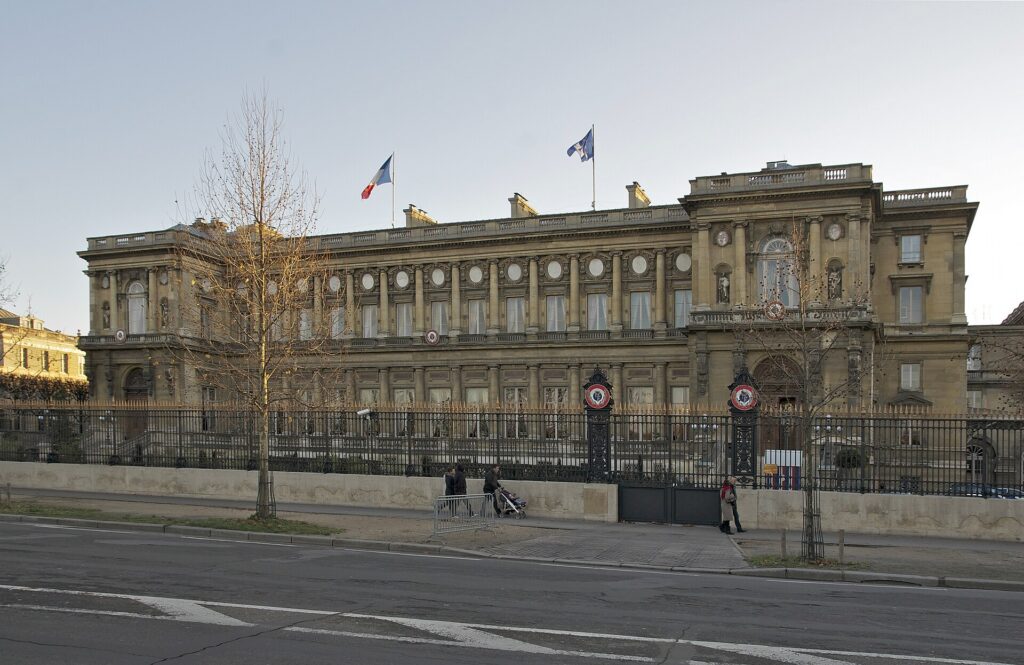
The Maastricht Treaty (Treaty on European Union) was signed in Maastricht, Netherlands on February 7, 1992, with France as one of the twelve signatory nations, represented by Foreign Minister Roland Dumas; France held a referendum on the treaty in September 1992.