
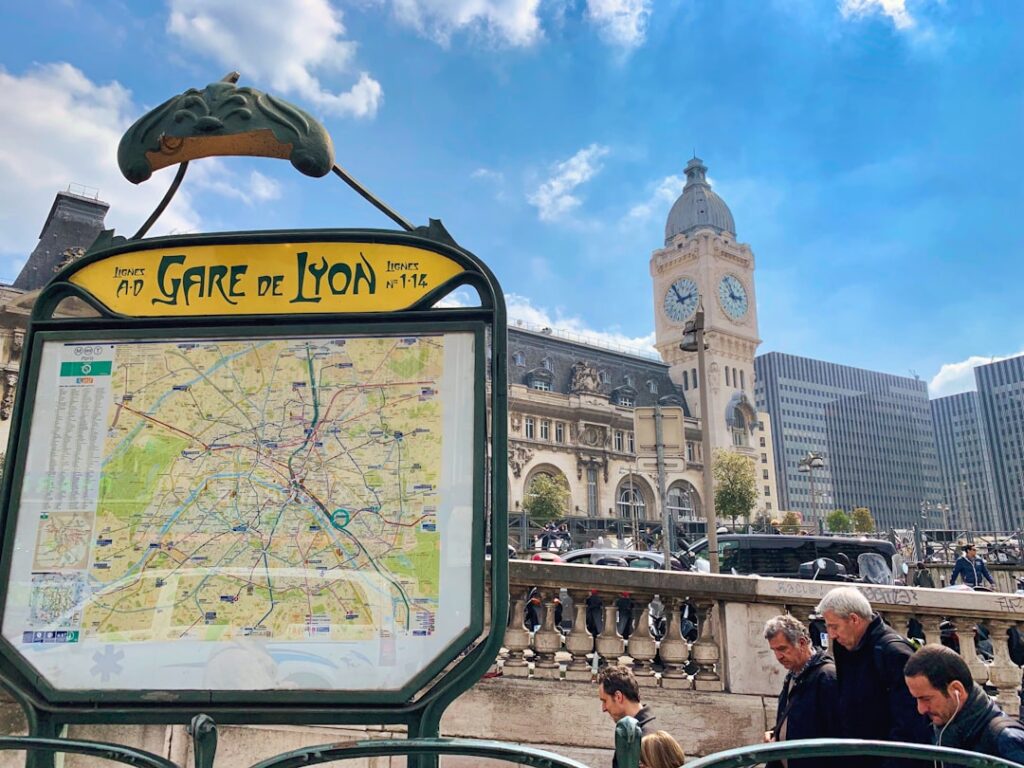
In the mid-19th century, as Europe entered the railway age, an ambitious project emerged to connect Paris with Rome through a continuous rail link. This engineering feat would transform travel between France and Italy and strengthen ties between the two nations.
The project needed French and Italian engineers to work together, taking the line under the Alps through the Fréjus, on what is still called the Mont Cenis line, before it ran down into Italy.
Engineering the Impossible
The Fréjus rail tunnel, often called the Mont Cenis tunnel, opened in 1871 between Modane in France and Bardonecchia in Italy. It runs for about 13.7 kilometers under the French-Italian Alps and took more than a decade to dig, from 1857. French and Italian teams worked from both ends and met in the middle of the mountain.
The Paris most visitors miss
Our free 8-page PDF guide: 25 places, from Galerie Vivienne's 1880 mosaic floor to Canal Saint-Martin's locks, each linked to its official site.
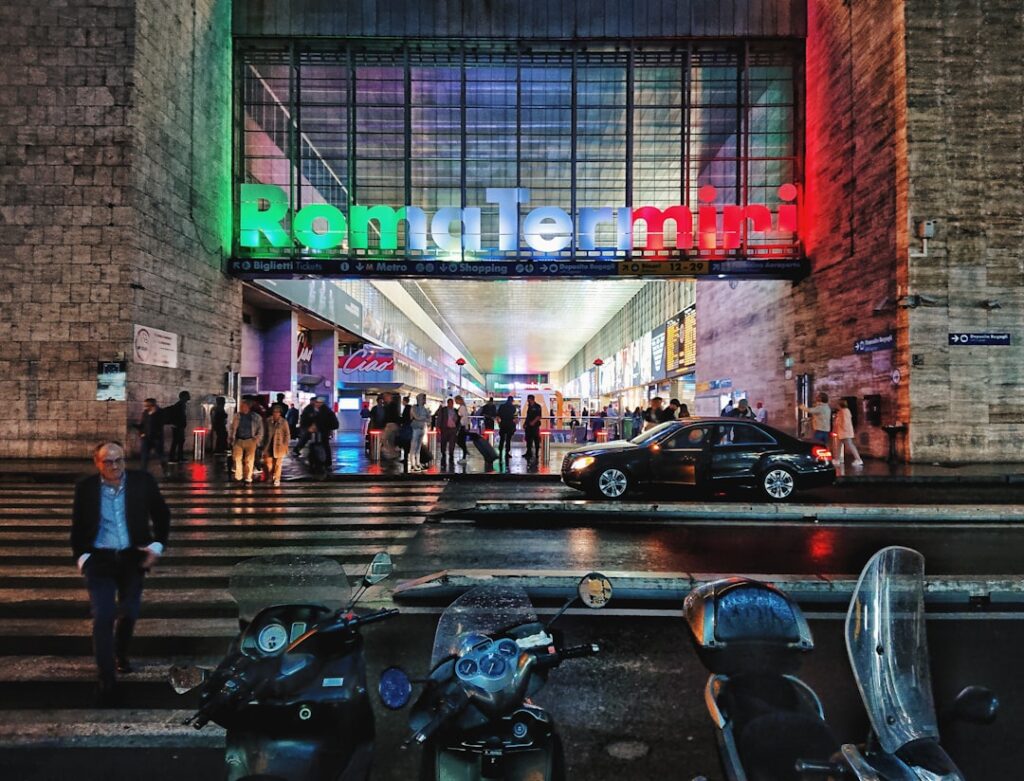
The tunnel’s completion enabled continuous rail travel between Paris and Rome, though it would take years before express services fully developed. By the 1890s the Wagons-Lits company’s Rome Express sleeping-car train linked Paris with Rome, a long night and a day instead of the slow coach journey over the mountain passes.
Cultural Exchange on Rails
The line put Paris and Rome a train ride apart. Artists, students, pilgrims and families could travel in both directions, and the Grand Tour that once needed a private carriage and weeks on the road became a trip that middle-class travelers could plan.
Italian families have been part of Paris life for generations. If your own family story runs between the two capitals, resources like Tracing Your Family in Lazio can help map migration patterns through archival research.
A Living Legacy
19 October 2026 correction: We used to say here that TGVs run from Paris to Rome through the Swiss Alps. That was wrong. There is no direct high-speed train from Paris to Rome, and the line crosses the French-Italian Alps, not the Swiss Alps. Checked October 2026 against Trenitalia.
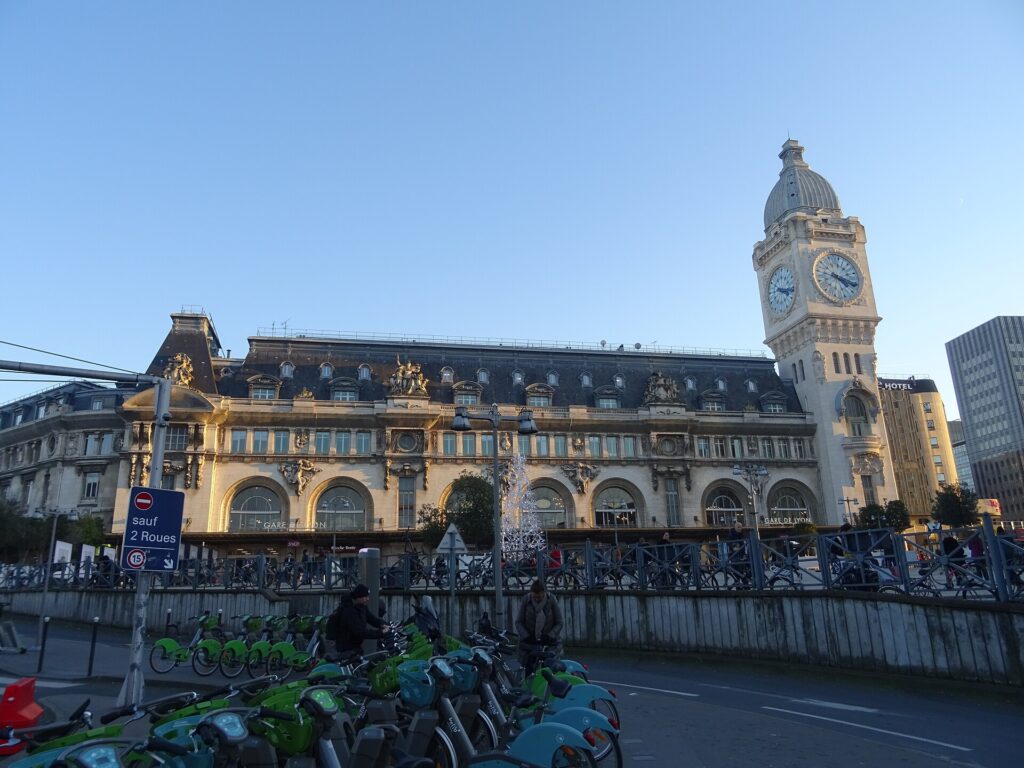
Today there is no direct train between the two capitals. High-speed TGV INOUI and Frecciarossa trains leave Paris Gare de Lyon for Milan, running via Lyon, Chambéry and Modane, through the Fréjus tunnel to Turin and on to Milan. In Milan you change to an Italian high-speed train for Rome. It makes a long day in the seat, and the Alpine section closes for works from time to time, so check the timetable on SNCF Connect or Trenitalia before you book.
The Gare de Lyon still has its Belle Époque side. Upstairs, Le Train Bleu restaurant was built by the PLM railway company for the 1900 World’s Fair, and its walls and ceilings are covered in paintings of the landscapes along the line south.
This iron link between Paris and Rome stands as a testament to how transportation infrastructure can forge lasting bonds between nations, enabling not just the movement of people and goods, but the exchange of ideas, culture, and family ties that continue to enrich both capitals today.
Tours & experiences in Paris


Powered by Viator. Some links are affiliate links — we may earn a small commission at no extra cost to you.