On the evening of August 17, 1661, Nicolas Fouquet hosted what would become the most fatally magnificent party in French history. At his newly completed Château de Vaux-le-Vicomte, just 55 kilometers southeast of Paris, the finance minister to Louis XIV unveiled a palace so breathtaking that it would seal his doom and reshape the capital forever.
Fouquet had assembled the era’s greatest talents: architect Louis Le Vau, painter Charles Le Brun, and landscape designer André Le Nôtre. Together, they created a baroque masterpiece that married architecture, art, and gardens into a unified vision of aristocratic power. The château’s grand salon, with its soaring dome painted by Le Brun, opened onto formal gardens that seemed to extend to infinity—a revolutionary use of perspective that would define French landscape design.
For the inauguration, Fouquet spared no expense. Guests traveled from Paris to witness fountains dancing in choreographed sequences, a specially commissioned Molière play performed in the gardens, and a fireworks display that lit the summer sky. The King himself sat as guest of honor, dining on gold plate while Vatel’s kitchens produced culinary marvels.
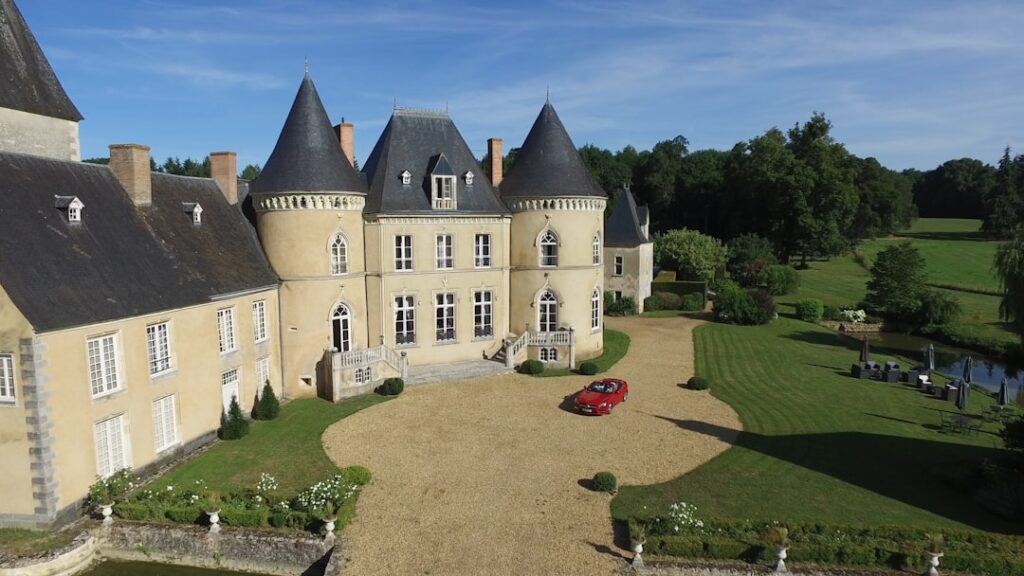
But Louis XIV was not impressed—he was enraged. How dare his finance minister possess a residence that outshone the royal palaces? The young king, still residing in the medieval discomfort of the Louvre and the hunting lodge at Versailles, saw in Vaux-le-Vicomte everything he lacked. Worse, he suspected Fouquet had funded this extravagance by embezzling state funds.
Nineteen days later, on September 5, the king’s captain of musketeers, d’Artagnan, arrested Fouquet in Nantes. The finance minister would spend the rest of his life imprisoned, dying in the fortress of Pignerol in 1680. But his legacy would prove immortal—just not in the way he intended.
From Vaux to Versailles: Paris Loses Its King
Louis XIV immediately seized Fouquet’s dream team. Le Vau, Le Brun, and Le Nôtre were commanded to create something even grander at Versailles. They brought with them not just their talents but the very templates from Vaux-le-Vicomte: the unified vision of palace and gardens, the use of perspective to create illusions of infinite space, the integration of water features as symbols of controlled nature.
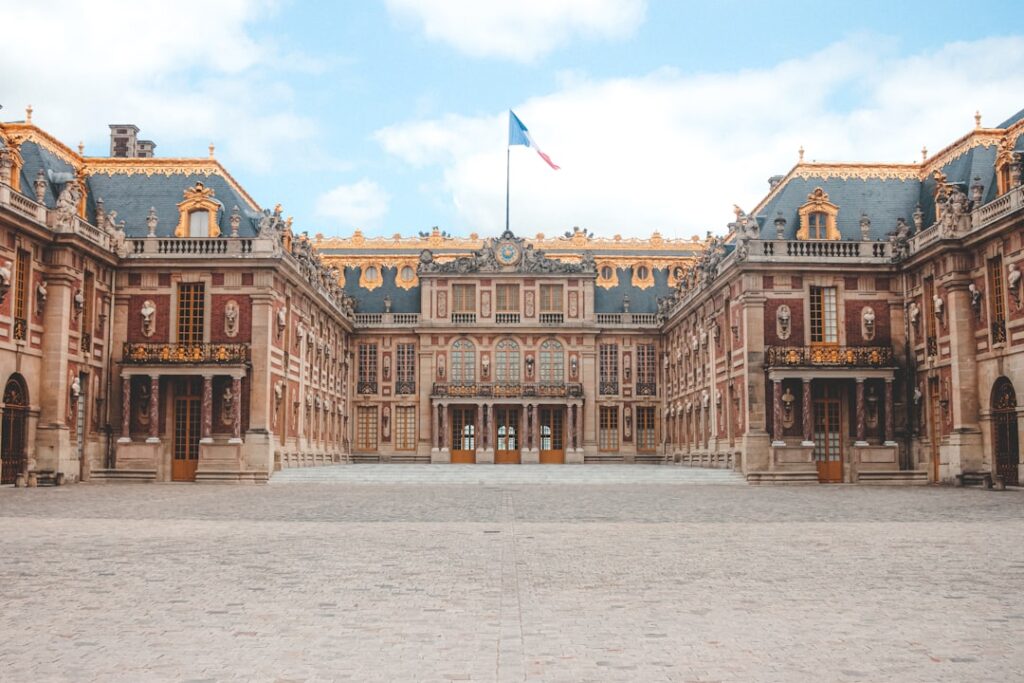
The Hall of Mirrors at Versailles echoes Vaux’s grand salon. The geometric parterres and radiating pathways of Versailles’ gardens are Le Nôtre’s Vaux design writ large. Even some of Vaux’s orange trees were literally uprooted and replanted at the royal residence.
For Paris, the consequences were profound. When Louis XIV moved his court to Versailles in 1682, the capital lost its role as the permanent seat of royal power. The aristocracy followed the king southwest, building their own hôtels particuliers in the Faubourg Saint-Germain to be near Versailles while maintaining a Paris presence. The city’s political center of gravity shifted, even as it remained France’s economic and cultural heart.
Today, visitors can trace this pivotal moment in French history. Vaux-le-Vicomte, still privately owned, operates as a museum where candlelit evenings recreate the splendor of that fateful August night. The château stands as a monument to dangerous ambition—and as the blueprint for the palace that would define absolute monarchy and, ultimately, help spark the Revolution that would bring the court back to Paris in chains.
The journey from Paris to Vaux-le-Vicomte takes less than an hour, but it travels through the hinge of French history: the moment when one man’s pride created a palace, destroyed himself, and inadvertently set in motion the creation of Versailles and the transformation of the French monarchy.
Tours & experiences in Paris


Powered by Viator. Some links are affiliate links — we may earn a small commission at no extra cost to you.