On a cold February day in 1992, the foreign and finance ministers of twelve European nations gathered in the southern Dutch city of Maastricht to sign one of the most consequential treaties in modern European history. The Maastricht Treaty, formally known as the Treaty on European Union, transformed the European Economic Community into the European Union and laid the groundwork for the euro currency that millions of Europeans, including Parisians, use today.
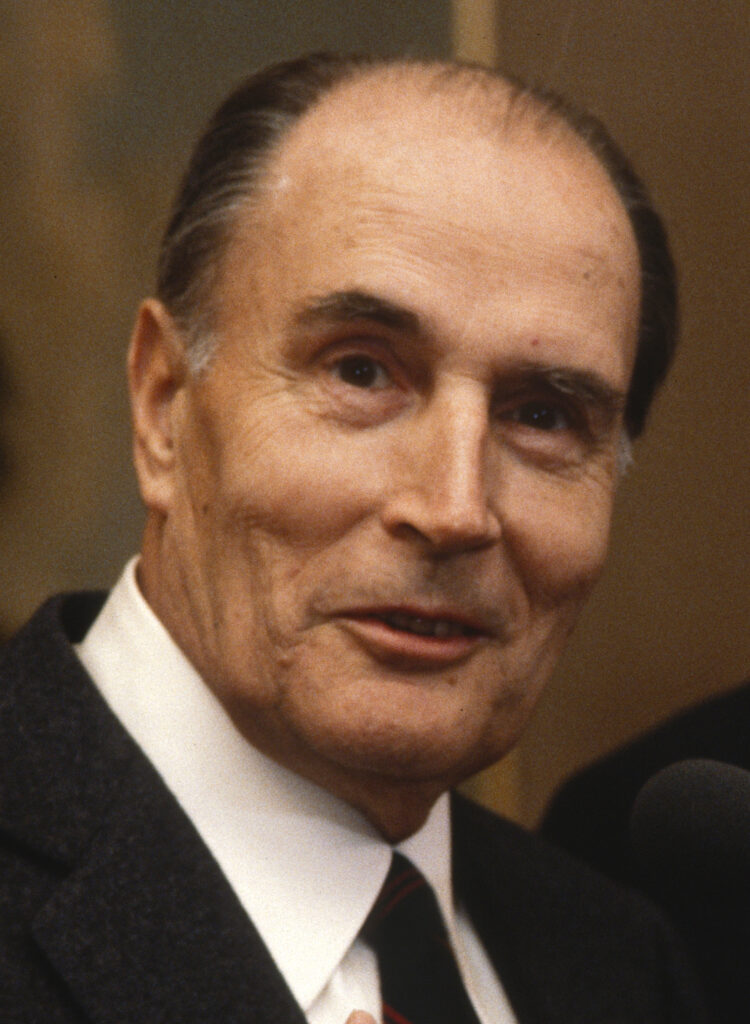
For France, and particularly for Paris as the seat of French government, the Maastricht Treaty represented a pivotal moment in European integration. French President François Mitterrand and German Chancellor Helmut Kohl had been the driving forces behind the treaty, seeing it as a way to bind European nations closer together in the wake of German reunification. The French negotiating team worked tirelessly to ensure that the treaty reflected French interests, particularly regarding monetary union and political cooperation.
Why Maastricht?
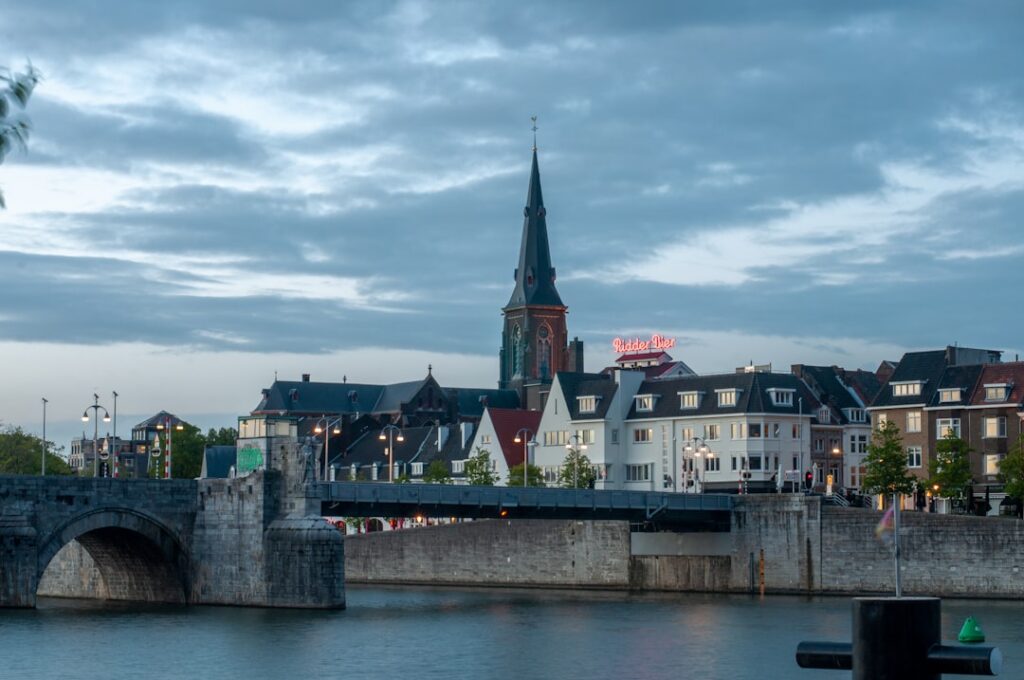
The choice of Maastricht as the signing location was deliberate and symbolic. This historic city in the Netherlands’ southernmost province of Limburg had long served as a crossroads of European culture, sitting at the intersection of Dutch, Belgian, and German influences. Its position made it a fitting neutral ground for negotiations that would reshape the continent’s future.
The treaty was signed at the Gouvernement aan de Maas, the seat of the provincial government, on February 7, 1992. French Foreign Minister Roland Dumas signed on behalf of France, marking the culmination of months of intense negotiations that had often pitted Paris against other European capitals over the details of monetary and political union.
The French Vision
France’s commitment to the Maastricht Treaty was so significant that it held a national referendum on September 20, 1992. The result was razor-thin: 51.04% voted in favor, with strong support in Paris and other urban centers. This narrow victory reflected deep French ambivalence about surrendering the franc and aspects of national sovereignty, even as political elites championed closer European integration.
The treaty established the three-pillar structure of the European Union, created European citizenship, and set the criteria for adopting the single currency. For Paris, the treaty also meant the establishment of the European Central Bank—though Frankfurt, not Paris, would ultimately house it—and the strengthening of European political institutions.
A Lasting Connection
Today, visitors to Maastricht can still see the building where the treaty was signed, and the city celebrates its role in European history. For Parisians traveling to the Netherlands, Maastricht offers not just picturesque canals and medieval architecture, but a tangible connection to a moment when French diplomacy helped chart Europe’s future course.
The euro coins in Parisian wallets, the ease of travel across European borders, and the framework of European cooperation that shapes daily life all trace back to that February day in Maastricht. The treaty remains one of the most important links between France and the Netherlands, a testament to how a Dutch city became forever intertwined with French and European destiny.
Tours & experiences in Paris


Powered by Viator. Some links are affiliate links — we may earn a small commission at no extra cost to you.