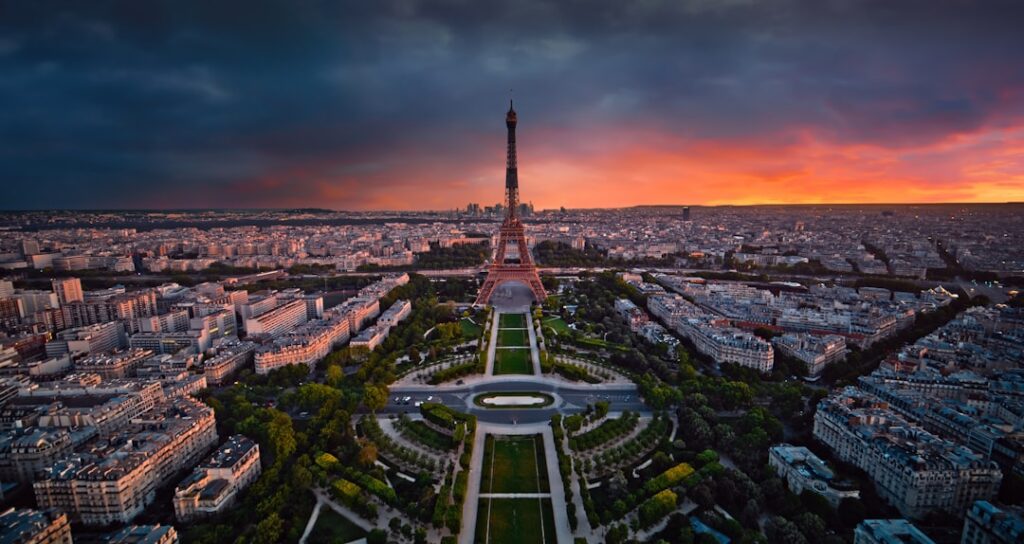
From May 31 to June 2, 1961, a young American president stepped off Air Force One at Orly Airport and into one of the most consequential visits in Franco-American relations. John F. Kennedy’s state visit to Paris was more than diplomacy—it was a cultural moment that showcased the complex identity of an Irish-American leader navigating Cold War Europe.
Kennedy’s Irish heritage was no secret. His great-grandfather Patrick Kennedy had left County Wexford during the Great Famine, joining millions of Irish emigrants who sought new lives across the Atlantic. By the time JFK reached the Élysée Palace, he carried with him not just American power, but the story of Irish perseverance and ascent that defined so many US Presidents with Irish Heritage.
The Paris Summit That Changed Everything
The Paris meeting between Kennedy and Charles de Gaulle came at a critical juncture. Just weeks after the Bay of Pigs disaster and months before the Berlin Wall would rise, Kennedy needed to shore up Western alliances. De Gaulle, skeptical of American leadership, was prepared to be unimpressed.
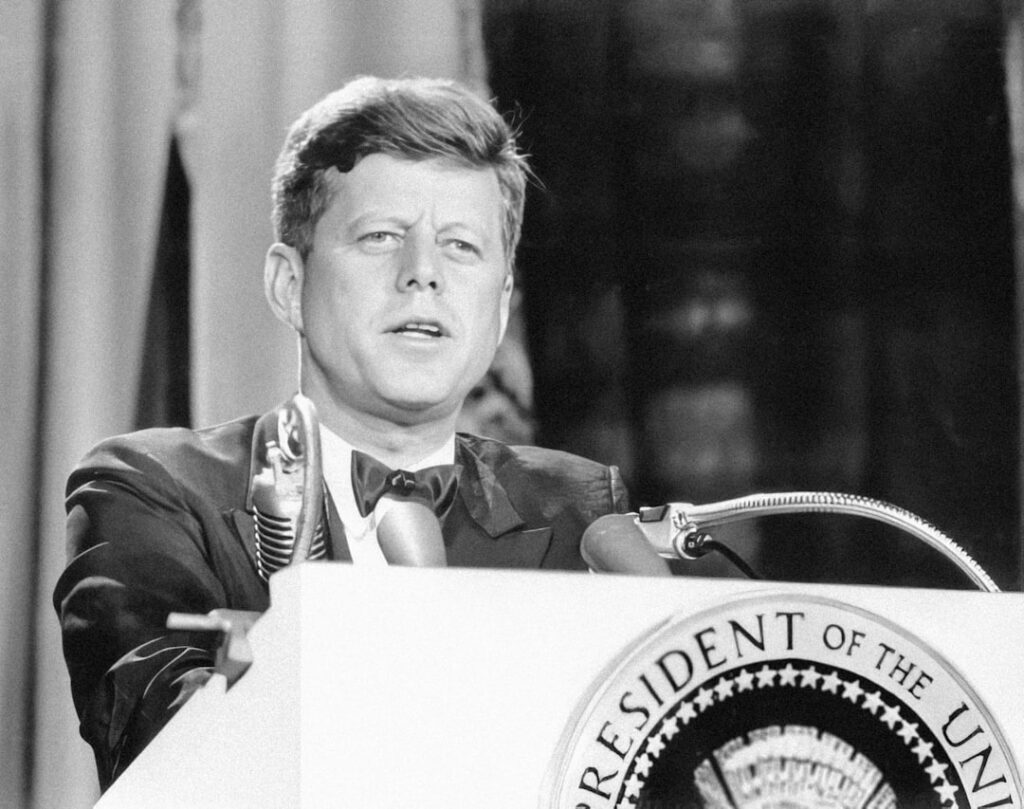
What happened instead surprised diplomatic observers. Kennedy’s intellectual curiosity, his knowledge of French history, and his self-deprecating wit won over the famously difficult French president. At a press conference at Palais Chaillot on June 2, 1961, Kennedy joked that he was “the man who accompanied Jacqueline Kennedy to Paris,” acknowledging his wife’s fluent French and her conquest of Parisian society.
Irish Roots in the City of Light
Kennedy’s visit highlighted a lesser-known aspect of Paris itself: the city’s own Irish connections. The Irish College on Rue des Irlandais in the 5th arrondissement has long served as a center of Irish Catholic education and culture in Paris. Many Irish revolutionaries and writers—from Wolfe Tone to Samuel Beckett—had walked Parisian streets, finding in the French capital a freedom denied at home.
During his Paris visit, Kennedy embodied this transatlantic Irish experience. He was neither fully the Boston Brahmin nor the Wexford farmer’s descendant, but something new—an Irish-American who could navigate European diplomacy while never forgetting his grandfather’s stories of leaving Dunganstown.
The Legacy of That June Weekend
The Kennedy-de Gaulle rapport established in Paris proved valuable in subsequent diplomatic efforts. Kennedy’s performance in Paris—his first major European test—demonstrated that an Irish-American Catholic could hold his own on the world stage.
Today, Avenue du Président Kennedy runs along the Right Bank of the Seine, renamed in 1964 shortly after his assassination. The street serves as a permanent Parisian memorial to the president whose Irish ancestry shaped American politics and whose charm, during one critical June weekend, helped secure the Atlantic alliance.
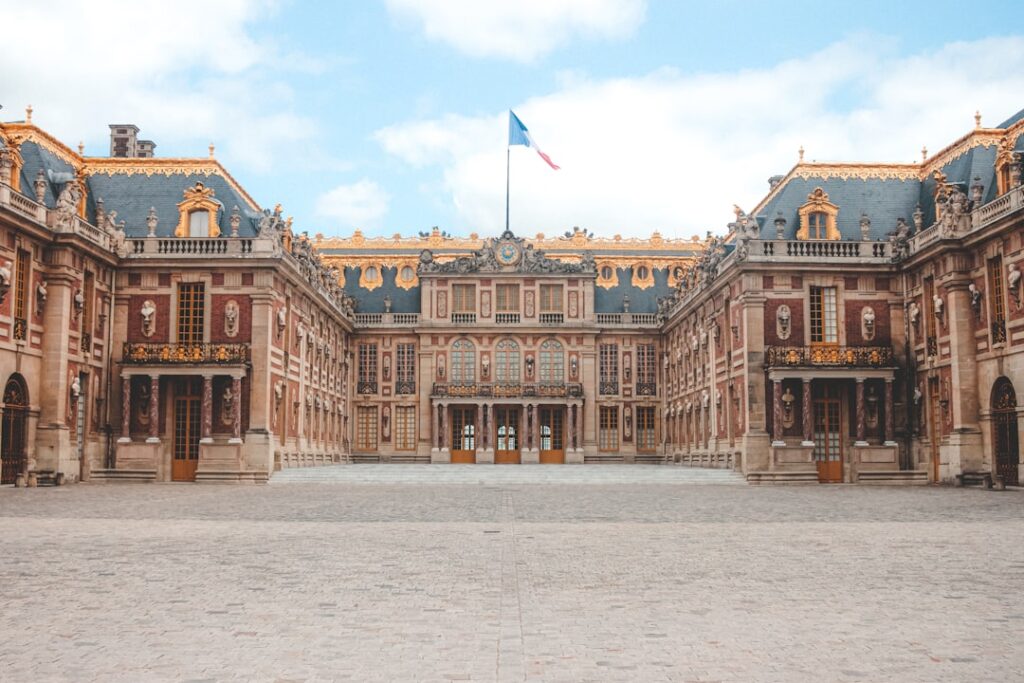
For visitors to Paris interested in this chapter of history, the Élysée Palace and Versailles still stand as they did in 1961, monuments to a moment when an Irish-American president and a French general found unexpected common ground—proving that diplomacy, like heritage, is often about understanding where someone comes from to appreciate where they’re going.
Tours & experiences in Paris


Powered by Viator. Some links are affiliate links — we may earn a small commission at no extra cost to you.