In late May and early June 1961, a young American president with deep Irish roots arrived in Paris for a summit that would become one of the most memorable diplomatic encounters of the Cold War era. John F. Kennedy, whose great-grandfather had left County Wexford during the Great Famine, brought not only the weight of superpower politics to the French capital but also a personal charm that would captivate President Charles de Gaulle and the entire city.
The visit came just months after Kennedy’s inauguration. Kennedy’s interactions with de Gaulle and the Parisian public made a lasting impression. The French president, known for his cool reserve and occasional anti-American sentiment, came away with a positive view of the Irish-American leader.
An Irish-American in the City of Light
Kennedy’s Irish heritage was never far from his identity. Like many US Presidents with Irish Heritage, he wore his ancestry proudly, and it informed his worldview in subtle but significant ways. His great-grandfather Patrick Kennedy had left Ireland in 1848, arriving in Boston in April 1849, where the Kennedy political dynasty would take root.
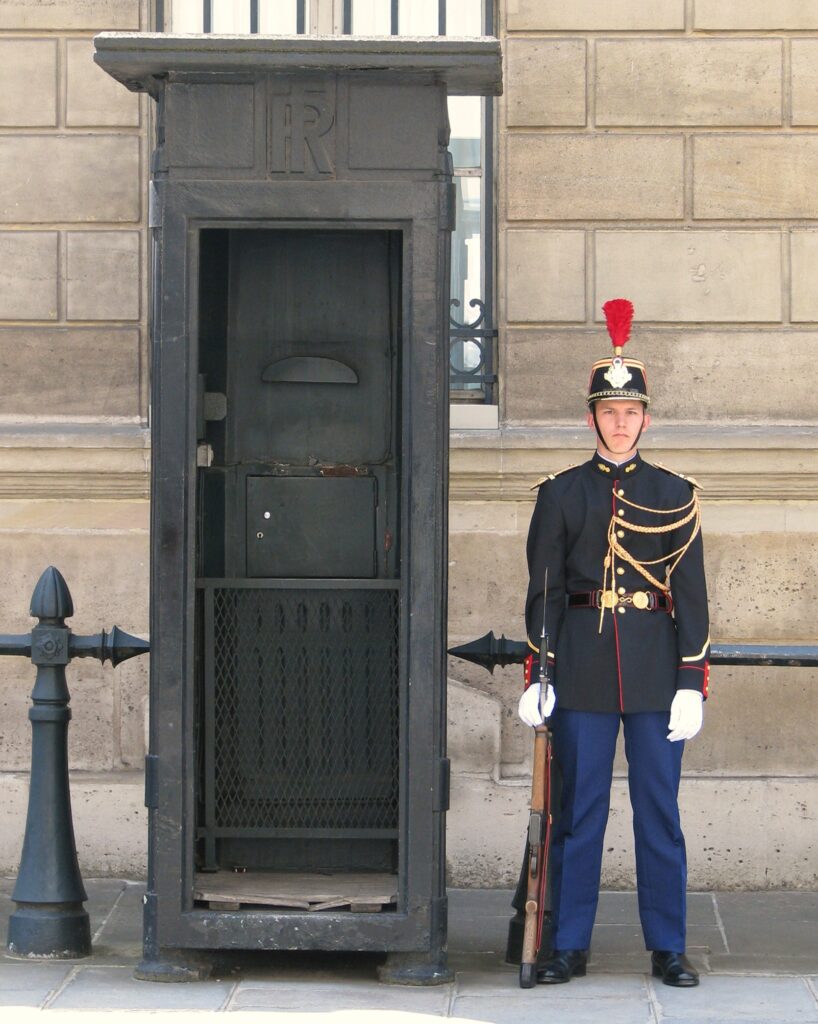
During his Paris visit from May 31 to June 2, 1961, the streets were lined with enthusiastic crowds. Parisians, who had lived through two world wars and valued both American liberation and their own fierce independence, responded to Kennedy’s youth and charisma. He attended a glittering dinner at the Élysée Palace, demonstrating his respect for French culture.
The Famous Quip
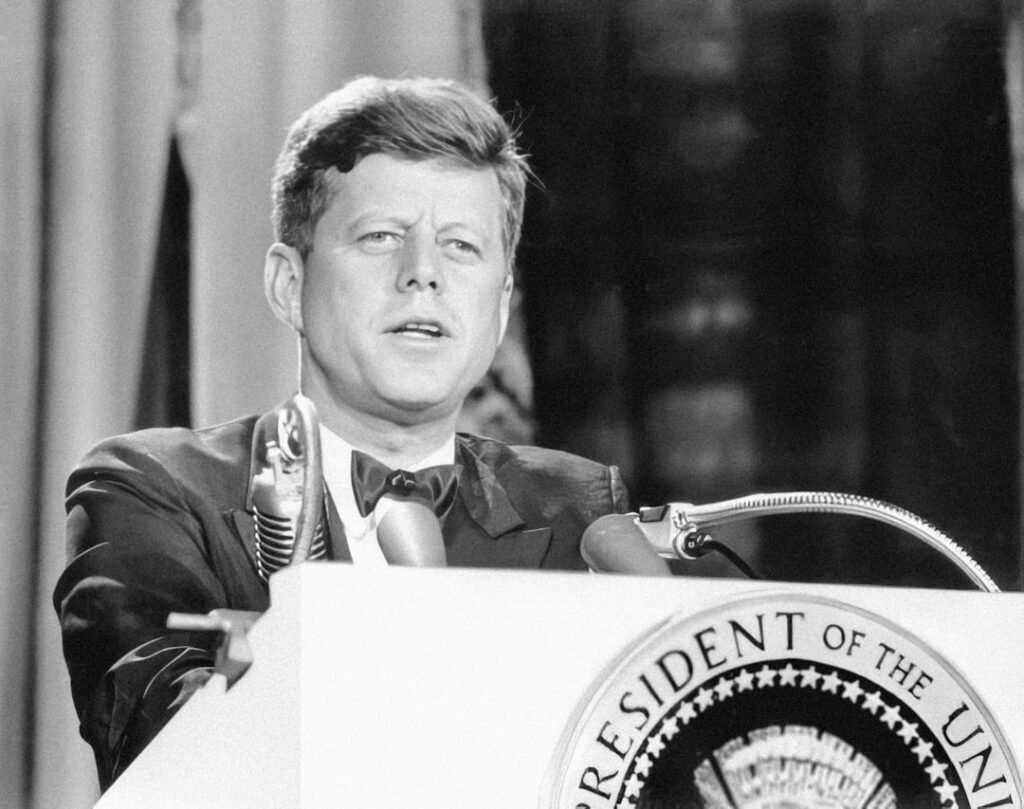
The visit produced one of Kennedy’s most famous lines. At a press conference at the Palais de Chaillot, with his elegant wife Jacqueline by his side, Kennedy opened his remarks by saying, “I do not think it altogether inappropriate to introduce myself. I am the man who accompanied Jacqueline Kennedy to Paris.” The self-deprecating humor, so characteristic of Irish wit, brought down the house and perfectly captured the reality that the French had fallen deeply in love with the stylish First Lady.
But beneath the charm offensive, serious Cold War business was being conducted. Kennedy and de Gaulle held private talks about NATO, nuclear weapons, and the growing crisis in Berlin. Kennedy then traveled to Vienna, arriving on June 3 for his first meeting with Soviet Premier Nikita Khrushchev on June 3-4, 1961.
A Legacy Remembered
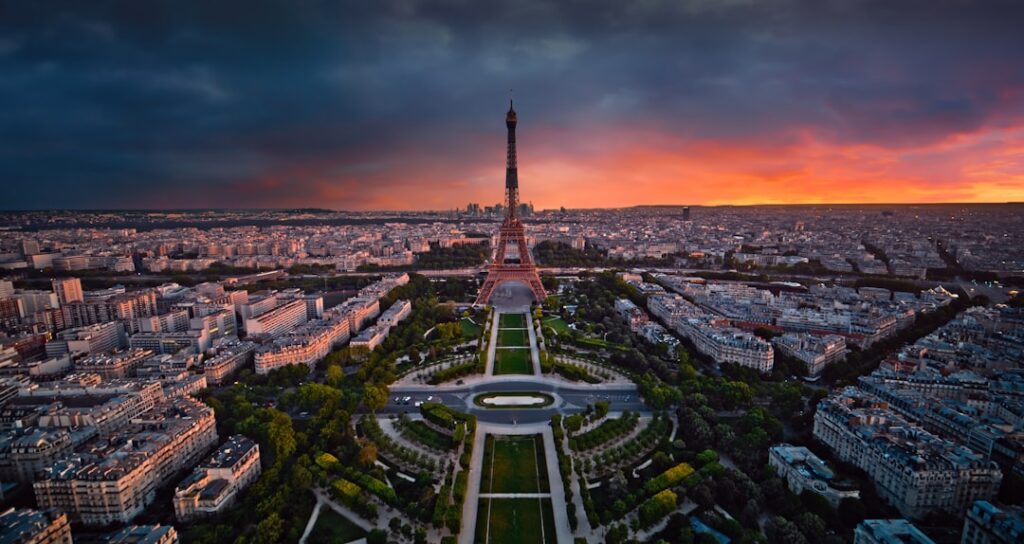
Today, Kennedy’s Paris visit is remembered as a high point of Franco-American relations. The Avenue du President Kennedy, which runs along the Seine in the 16th arrondissement, was renamed in his honor after his assassination in 1963. The street passes near the Trocadéro and offers one of the most iconic views of the Eiffel Tower—a fitting tribute to a president who understood the importance of the transatlantic alliance.
For Irish-Americans, Kennedy’s triumph in Paris represents something more: proof that the descendants of famine emigrants could stand as equals on the world stage, bringing their inherited wit, resilience, and diplomatic skill to bear in the most challenging circumstances. The boy whose great-grandfather had left Ireland with nothing had charmed one of Europe’s most formidable leaders and helped steer the Western alliance through one of its most dangerous moments.
Paris remembers Kennedy not just as an American president, but as a bridge between the Old World and the New—a role his Irish heritage had prepared him to play perfectly.
Tours & experiences in Paris


Powered by Viator. Some links are affiliate links — we may earn a small commission at no extra cost to you.