For more than three centuries, the most prestigious prize a young French artist could win was not a gallery opening in Paris, but a one-way ticket to Rome. The Prix de Rome, established in 1663 by Louis XIV’s minister Jean-Baptiste Colbert, sent generations of France’s most promising painters, sculptors, architects, and musicians to study at the French Academy in Rome—a tradition that shaped both French art and the cultural landscape of Italy’s Lazio region.
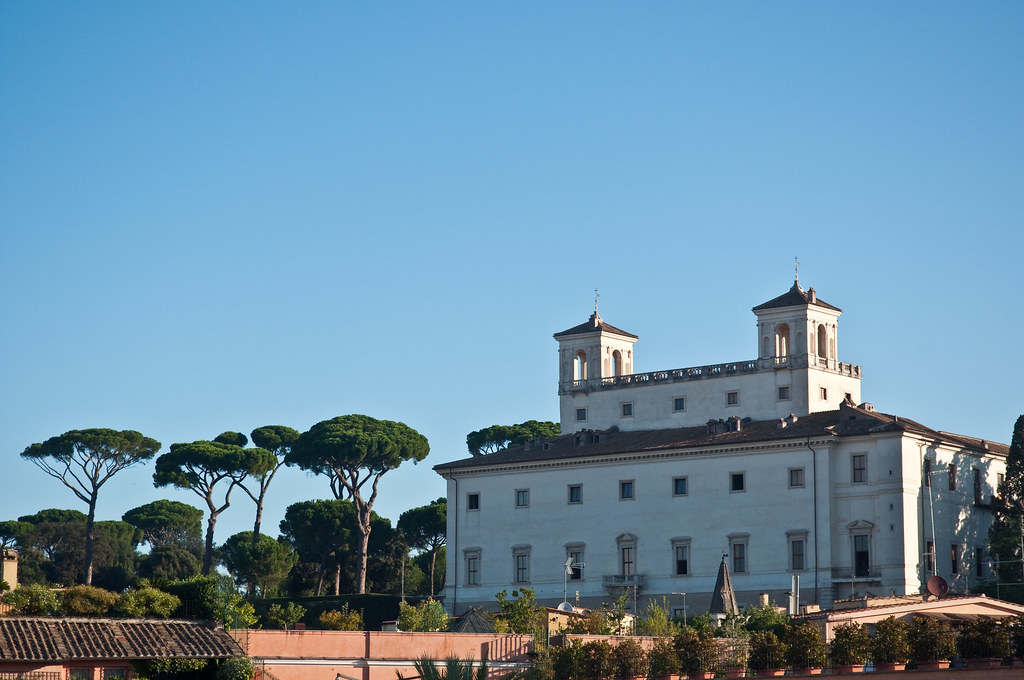
The French Academy in Rome, housed since 1803 in the magnificent Villa Medici atop the Pincian Hill, became a second home for French creative talent. Winners of the Prix de Rome—among them painters Jean-Honoré Fragonard, Jacques-Louis David, and Jean-Auguste-Dominique Ingres—spent years in the Italian capital, absorbing classical antiquity, Renaissance masterpieces, and the brilliant Mediterranean light that would transform their work.
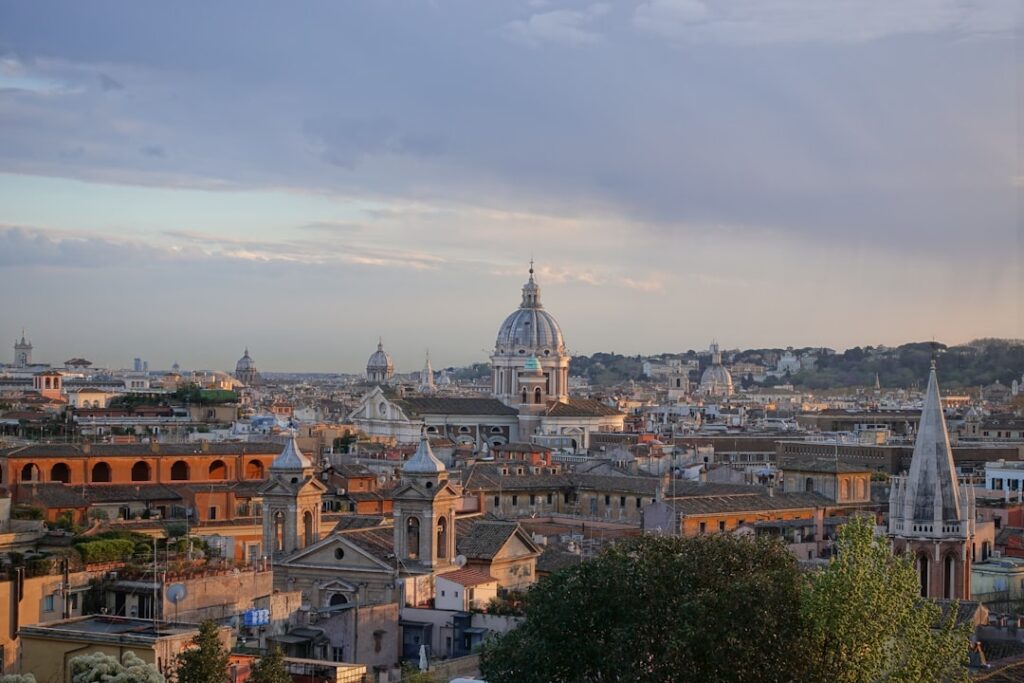
This wasn’t a brief study tour. Prix de Rome laureates typically spent three to five years living in Rome, with their accommodation, studio space, and living expenses paid by the French state. They were expected to send regular work back to Paris—the famous “envois de Rome”—but otherwise enjoyed remarkable freedom to explore Italy, copy Old Masters, and develop their artistic voice far from the constraints of Parisian academic life.
The Legacy in Both Cities
The impact flowed in both directions. French artists left their mark on Rome itself: the Villa Medici’s gardens still contain studios and workshops built for French pensionnaires, and Roman churches house works created by these temporary residents. Meanwhile, the Italian experience fundamentally altered French art. The neoclassical movement that dominated French painting in the late 18th and early 19th centuries was born directly from these Roman sojourns.
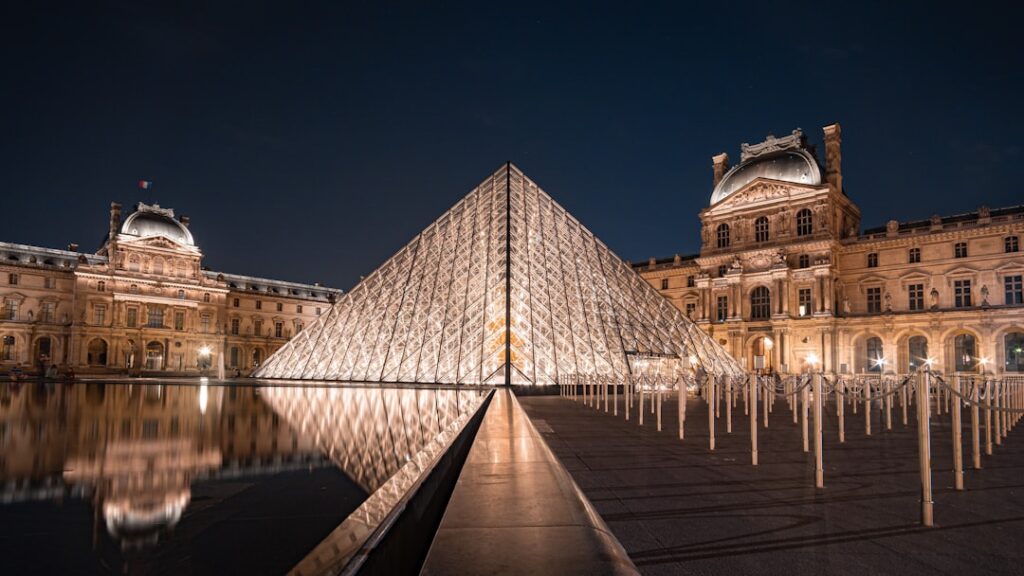
Paris museums today overflow with the fruits of this exchange. The Louvre’s collection of Italian-inspired French painting represents countless hours spent in Roman galleries and ruins. The architectural legacy is equally profound—many of Paris’s most recognizable 19th-century buildings were designed by Prix de Rome winners who returned from Italy with sketchbooks full of classical columns, domes, and proportions.
A Connection That Endures
Though the Prix de Rome was discontinued in 1968, the French Academy in Rome continues to host French artists, scholars, and musicians. The Villa Medici remains French property, a remarkable piece of Paris transplanted to the heart of Lazio, where it has stood for more than two centuries.
For those interested in exploring this Franco-Italian artistic heritage, Rome offers numerous traces of the French presence. The Villa Medici itself occasionally opens for public tours, and the church of San Luigi dei Francesi houses Caravaggio masterpieces that inspired generations of French visitors. Meanwhile, understanding the genealogy of French artistic families often leads back to Rome. Tracing Your Family in Lazio can reveal unexpected connections—many French artists married Italian spouses during their Roman years, creating family trees that span both nations.
The Prix de Rome represents one of history’s most sustained cultural exchanges between two cities. It reminds us that Paris and Rome, for all their rivalry as Europe’s artistic capitals, have always been in conversation—each city shaping the other’s creative output, each generation of artists carrying ideas, techniques, and inspiration across the Alps in both directions.
Tours & experiences in Paris


Powered by Viator. Some links are affiliate links — we may earn a small commission at no extra cost to you.