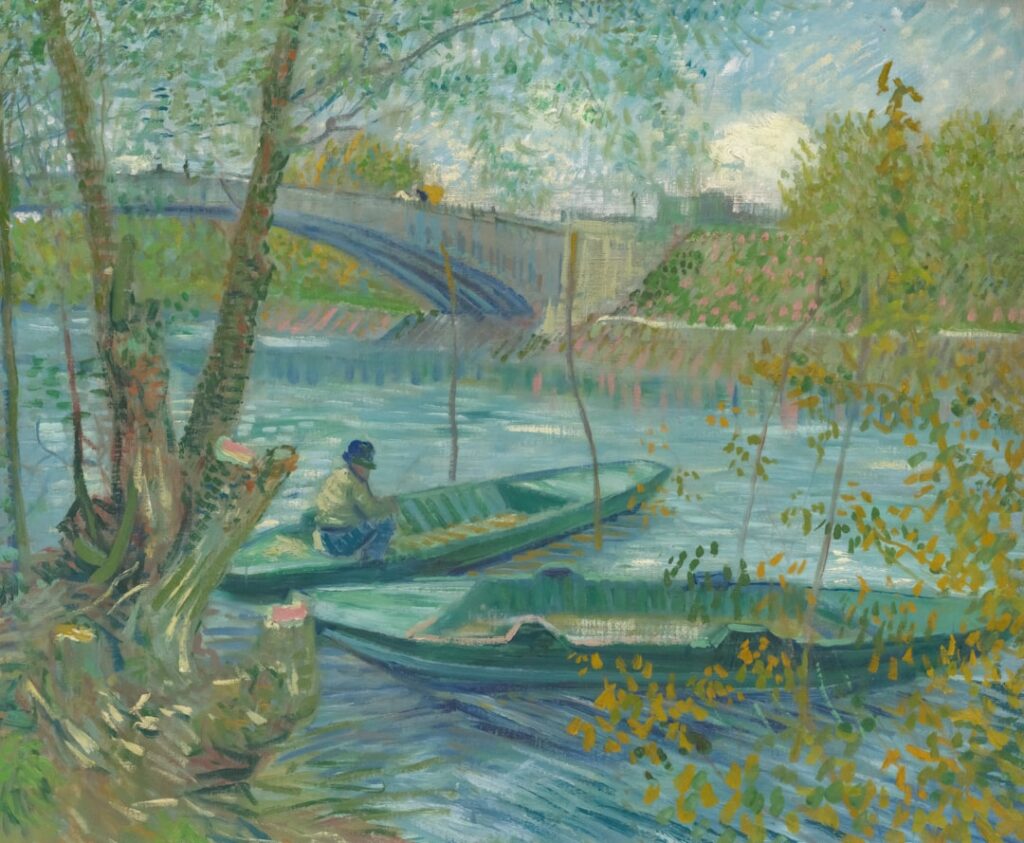
Long before Vincent van Gogh became synonymous with sunflowers and starry nights in the south of France, the Dutch painter spent two transformative years in Paris that would forever change the course of modern art. From 1886 to 1888, Van Gogh lived in Montmartre with his brother Theo, absorbing the revolutionary artistic movements swirling through the French capital and evolving from a dark, earth-toned painter into the vibrant colourist the world would come to know.
Van Gogh arrived in Paris in March 1886, leaving behind the sombre palette of his Dutch period — exemplified by works like “The Potato Eaters” — for the light-filled boulevards and avant-garde studios of the city. He enrolled at the atelier of Fernand Cormon in Montmartre, where he met fellow artists Henri de Toulouse-Lautrec, Émile Bernard, and John Russell, who would introduce him to Impressionism and the emerging Neo-Impressionist movement.
The Transformation of Colour
The impact of Paris on Van Gogh’s work was immediate and profound. Exposure to the Impressionists’ use of colour and light, combined with his discovery of Japanese woodblock prints at Siegfried Bing’s gallery, revolutionised his approach to painting. His palette exploded with yellows, blues, and vibrant greens. He painted more than 200 works during his Paris years, including self-portraits, still lifes, and views of Montmartre that showcase this dramatic evolution.
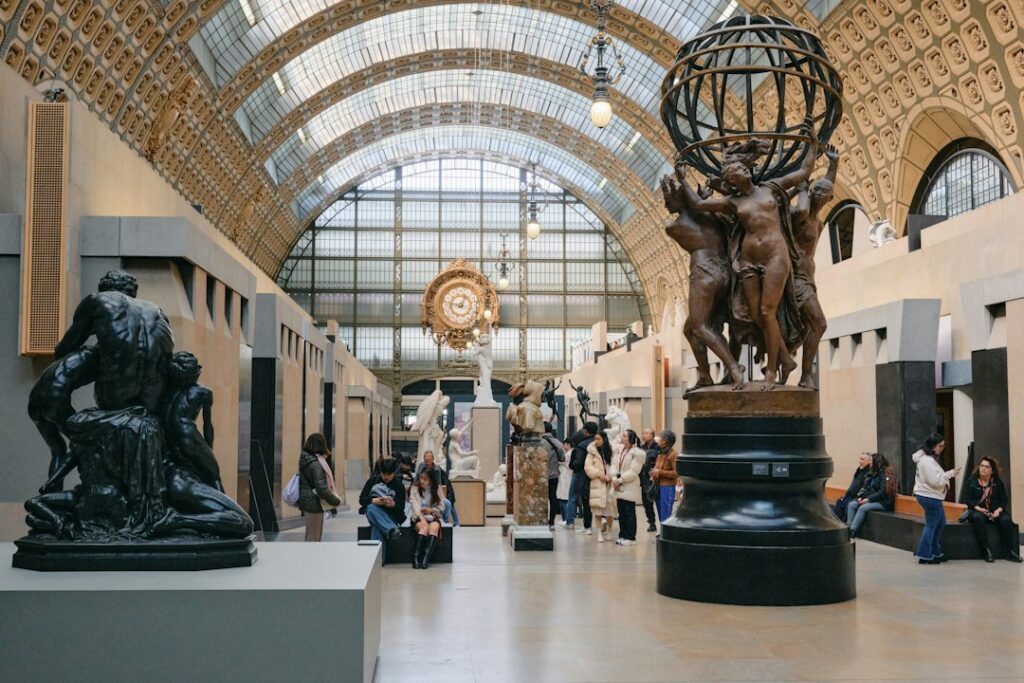
The Musée d’Orsay houses several of Van Gogh’s Paris paintings, including portraits and views of the city. The Van Gogh Museum in Amsterdam holds the world’s largest collection of his works, tracing his journey from the Netherlands through Paris and beyond.
A Dutch-French Artistic Legacy
Van Gogh’s connection between the Netherlands and France represents one of art history’s most significant cultural exchanges. Born in Zundert in the Dutch province of North Brabant, Van Gogh carried his Dutch sensibility — a profound connection to working people and the land — into his French period. Yet it was Paris that gave him the technical tools and artistic confidence to express that vision in revolutionary new ways.
Today, visitors can trace Van Gogh’s footsteps through Montmartre, where plaques mark locations he painted, including the Moulin de la Galette and views from his apartment window. The area retains much of its bohemian character, though the windmills and open fields Van Gogh captured have largely given way to urban development.
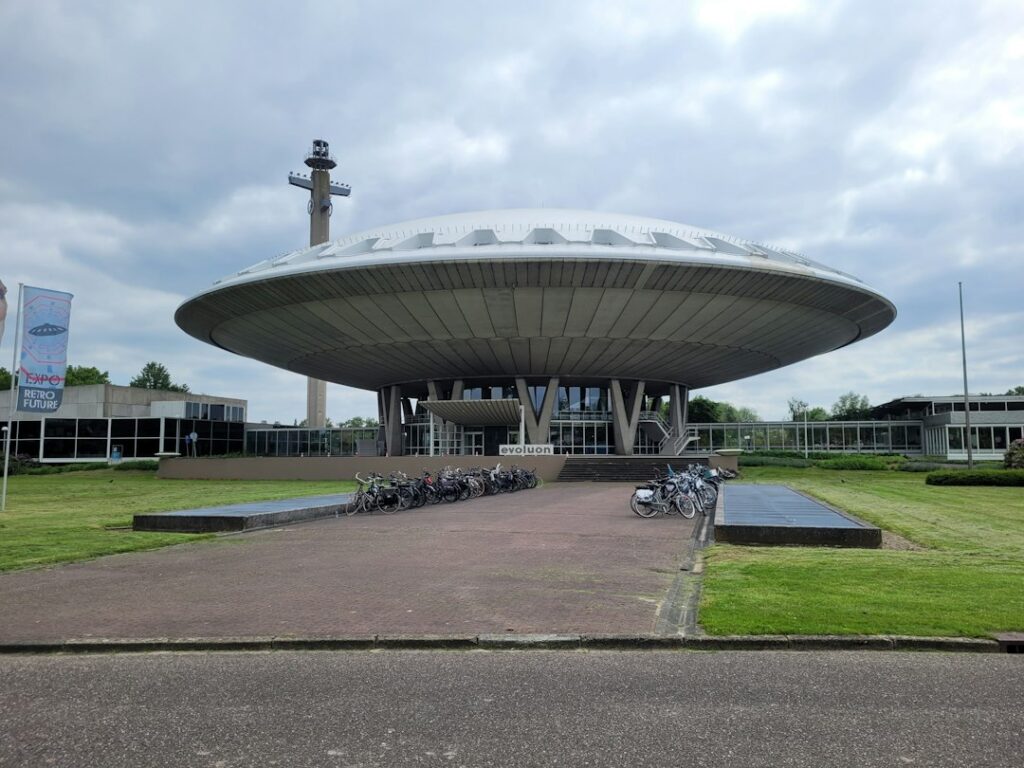
For those interested in exploring Van Gogh’s Dutch roots, an Eindhoven day trip from Amsterdam provides access to the Van Abbemuseum and other sites in North Brabant, the region where Van Gogh was born and spent his formative years.
The Brother Who Made It Possible
Van Gogh’s Paris years would not have been possible without his brother Theo, an art dealer at Boussod, Valadon & Cie on Boulevard Montmartre. Theo provided Vincent with financial support, emotional encouragement, and crucial connections to the Parisian art world. Their correspondence, much of it written during the Paris period, offers intimate insights into Van Gogh’s artistic development and the vibrant cultural life of late 19th-century Paris.
Though Van Gogh would leave Paris in 1888 for Arles, seeking stronger light and lower costs, those two years in the French capital proved essential. The techniques he learned, the artists he met, and the confidence he gained in Paris enabled the extraordinary flowering of creativity that would define his final years. In this sense, Van Gogh’s greatest masterpieces — created in Arles and Auvers-sur-Oise — were born from a uniquely Dutch-French collaboration, a meeting of northern European sensibility and French artistic innovation that continues to captivate the world.
Tours & experiences in Paris


Powered by Viator. Some links are affiliate links — we may earn a small commission at no extra cost to you.