
The Auld Alliance between France and Scotland, formalized in 1295, created bonds that would shape both nations for centuries—and those connections remain visible in Paris today. This enduring international friendship left its mark on the French capital through institutions, military service, and royal connections.
The alliance was born of mutual need. Scotland, facing English aggression under Edward I, sought a powerful ally on the continent. France, locked in its own struggles with England, saw strategic value in a northern partner who could open a second front. What began as military pragmatism evolved into something far deeper: a cultural and social partnership that saw Scottish soldiers fight for France, French wine flow to Scottish ports, and citizens of both nations develop lasting ties.
Scottish Landmarks in the French Capital
Paris became a second home for generations of Scots. The Scots College, which opened in 1325 and was formally founded in 1333, educated Scottish clergy and nobility for centuries on Rue du Cardinal Lemoine in the Latin Quarter. The institution operated until 1793, when it closed during the French Revolution. Though the original buildings no longer serve their historic purpose, their legacy persists in the street names and history of the 5th arrondissement.

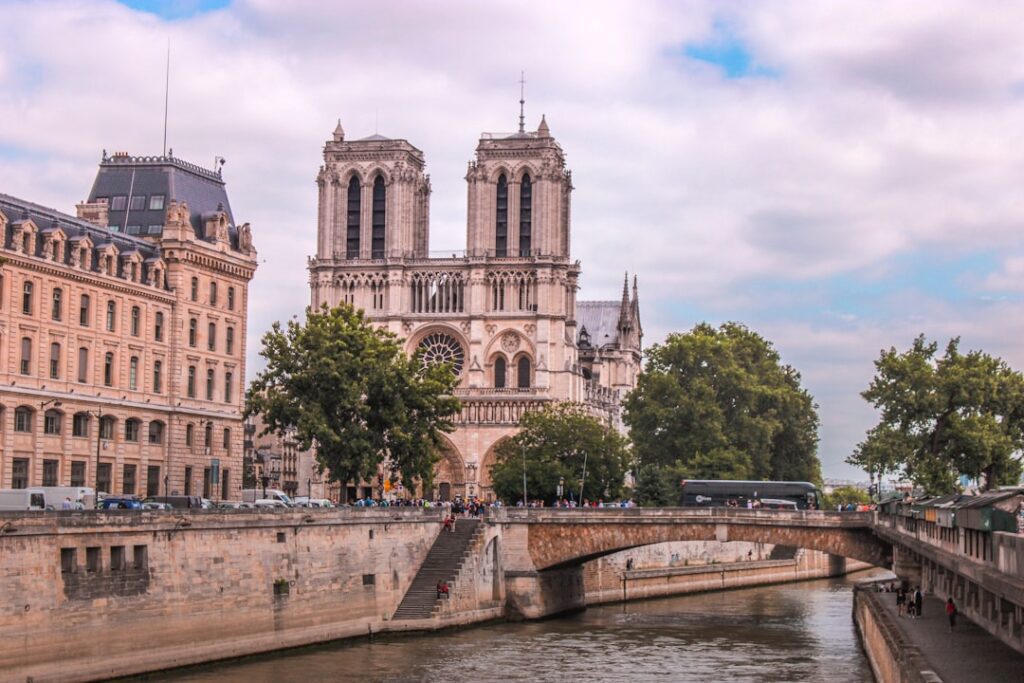
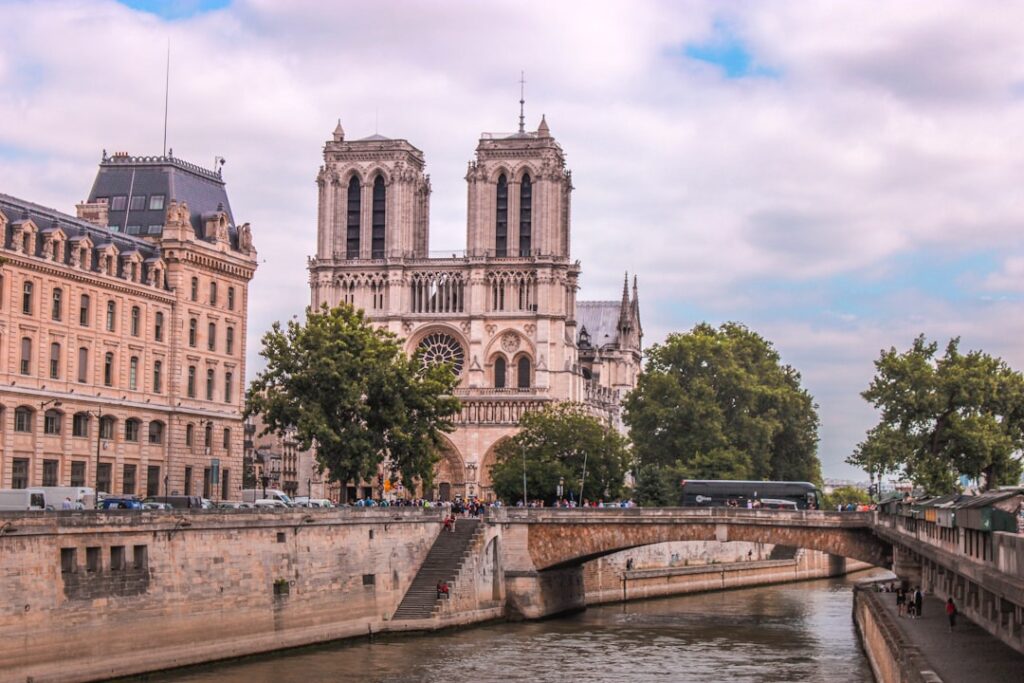
Perhaps the most famous Scot in Paris was Mary, Queen of Scots, who spent her childhood years at the French court. She married the Dauphin Francis on April 24, 1558 at Notre-Dame Cathedral, briefly becoming Queen of France before returning to Scotland. Her apartments at the Louvre and her presence at various French châteaux left an indelible mark on Franco-Scottish relations.
The Military Connection
The Garde Écossaise, the Scottish Guard, served as the elite bodyguard to French kings from 1418 to 1830. These soldiers, recruited from Scottish nobility and gentry, held positions of extraordinary trust and privilege at the French court. Their barracks once stood near the Louvre, and their captains ranked among the highest military officers in France.
The alliance proved its worth on countless battlefields. Scottish forces fought alongside the French during the Hundred Years’ War, with their presence proving decisive at several key moments. In return, French support bolstered Scottish resistance to English domination, particularly during the Wars of Independence that saw fortresses like Stirling Castle change hands multiple times between Scottish and English forces.
Cultural Exchange and Legacy
The Auld Alliance facilitated remarkable cultural exchange. Scottish students filled the halls of the Sorbonne and other Parisian universities. French architectural styles influenced Scottish castle design, while Scottish wool became prized in French markets. The wine trade between Bordeaux and Edinburgh created merchant dynasties in both nations.
Even the French language bears traces of this connection. The Scots word “douce” (sweet) comes from the French “doux,” while numerous Scottish legal and administrative terms derive from Norman French, reinforced by centuries of alliance.
Today, the Auld Alliance lives on in official commemorations and cultural institutions. The Scottish Kirk in Paris, established in 1858 and located on Rue Bayard since 1885, continues to serve its congregation, while French and Scottish officials regularly invoke the alliance at diplomatic functions.
For visitors walking through the Latin Quarter, the Scottish presence might seem subtle—a street name here, a historic site there—but these quiet markers represent one of the most significant international relationships in European history, one that helped shape both nations and left an enduring legacy in the streets of Paris.
Tours & experiences in Paris


Powered by Viator. Some links are affiliate links — we may earn a small commission at no extra cost to you.