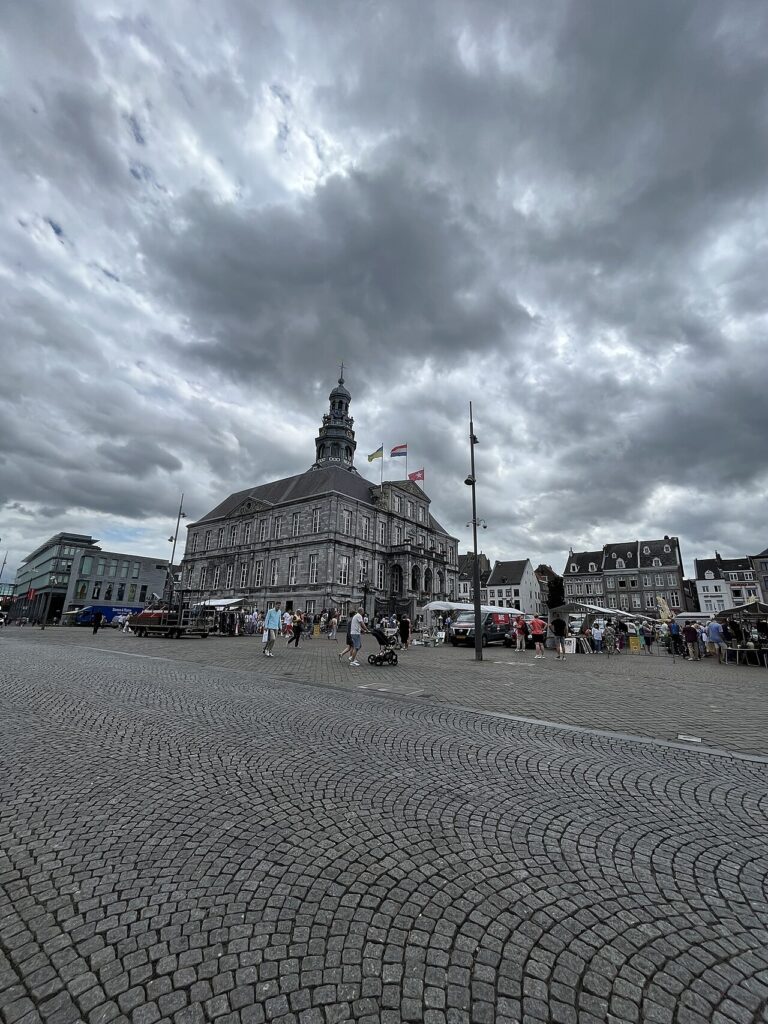
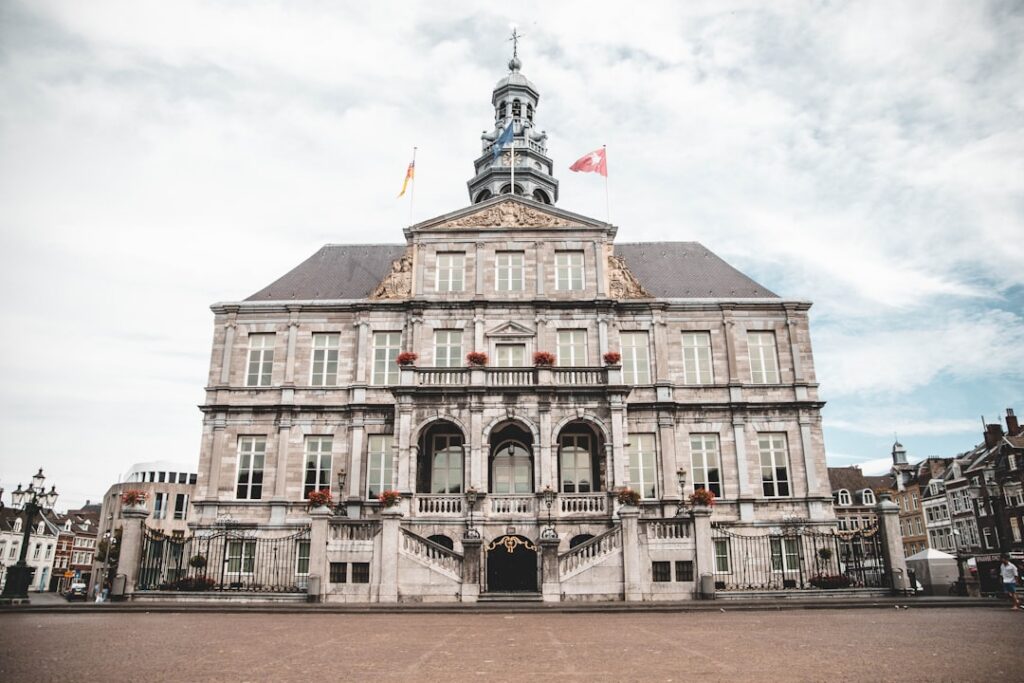
On a cold February day in 1992, in the elegant Gouvernement aan de Maas building in the southern Dutch city of Maastricht, twelve European foreign ministers gathered to sign a document that would fundamentally reshape the continent. The Maastricht Treaty, formally known as the Treaty on European Union, created the European Union as we know it today and established the framework for the euro currency that now fills Parisian wallets.
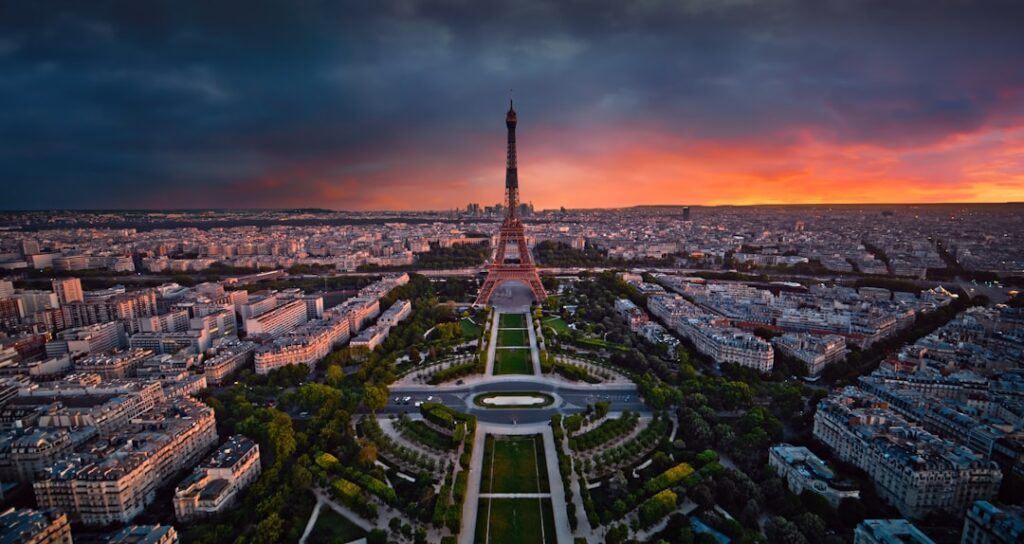
For France, and particularly for Paris as the seat of French power, the Maastricht Treaty represented the culmination of decades of European integration efforts. French President François Mitterrand and German Chancellor Helmut Kohl had worked tirelessly to advance European unity, and the treaty signed in this charming Dutch city embodied their shared vision.
Why Maastricht?
The choice of Maastricht as the signing location was deliberate and symbolic. This historic city, one of the oldest in the Netherlands, sits at the cultural crossroads of Dutch, Belgian, and German traditions. Its position in Limburg province, far from the political centers of Brussels or Amsterdam, represented neutral ground where European nations could come together as equals.
The treaty negotiations had been complex and contentious. France pushed strongly for monetary union and a common currency, seeing it as essential to European solidarity and as a counterbalance to German economic dominance after reunification. The agreement reached in Maastricht established the three-pillar structure of the European Union and set the criteria for adopting the euro.
The French Connection
Paris played an outsized role in shaping the Maastricht Treaty’s content. The French government insisted on provisions strengthening political union alongside economic integration. French negotiators championed the concept of European citizenship, which granted citizens of member states the right to move and reside freely within the EU—a provision that has since allowed countless French citizens to live, work, and study across Europe.
The treaty also established the European Central Bank, which while headquartered in Frankfurt, operates under principles heavily influenced by French economic philosophy. France’s commitment to the treaty was so strong that Mitterrand called a referendum on ratification, which passed narrowly in September 1992 with 51% approval—a moment of high political drama in French history.
A Lasting Legacy
Today, the connection between Paris and Maastricht remains embedded in the fabric of European daily life. When Parisians use euro notes to buy their morning café crème, when French students study abroad in other EU countries through Erasmus programs, or when French citizens travel visa-free across European borders, they’re experiencing the direct legacy of what was agreed in that Dutch city more than three decades ago.
The Gouvernement aan de Maas building where the treaty was signed remains a pilgrimage site for European federalists and political historians. Visitors to Maastricht can see the very room where European history was made, a fitting complement to the city’s medieval churches, Roman foundations, and picturesque position along the Maas River.
For those interested in exploring this historically significant Dutch city, Maastricht offers far more than its famous treaty. Its unique position in the Netherlands, distinct culture, and beautiful architecture make it a compelling destination that connects visitors to a pivotal moment in European—and French—history.
Tours & experiences in Paris


Powered by Viator. Some links are affiliate links — we may earn a small commission at no extra cost to you.