
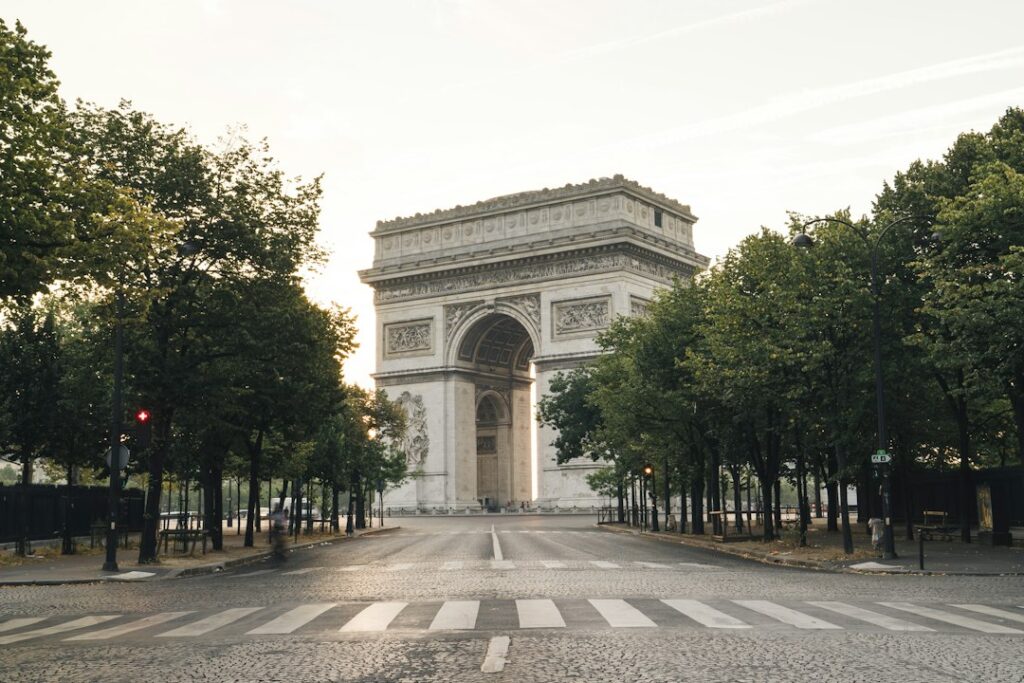
In the late summer of 1944, Paris experienced one of its most joyous moments in modern history: liberation from Nazi occupation. On August 25, French and Allied forces entered the capital, and within days, General Charles de Gaulle led a triumphant march down the Champs-Élysées. But while Parisians celebrated their freedom, Allied commanders were already planning their next major offensive—one that would take them deep into the Netherlands and end in tragedy at Arnhem.
Operation Market Garden, launched on September 17, 1944—less than a month after Paris was freed—was Field Marshal Bernard Montgomery’s audacious plan to end the war by Christmas. The strategy called for airborne troops to seize a series of bridges across the Netherlands, creating a corridor through which ground forces could advance into Germany’s industrial heartland. The final bridge, spanning the Rhine at Arnhem, was the operation’s ultimate prize and its greatest challenge.
The connection between Paris’s liberation and the Battle of Arnhem is more than chronological. The swift success in France had created a sense of momentum and perhaps overconfidence among Allied leadership. The relatively easy liberation of Paris—achieved through a combination of French Resistance efforts and advancing Allied columns—may have contributed to underestimating German defensive capabilities further north. Additionally, the logistical challenges of supplying rapidly advancing armies became acute; fuel and supplies that might have supported a more cautious advance were stretched thin across the newly liberated territories of France.
The Battle for the Bridge
The British 1st Airborne Division, along with Polish paratroopers, dropped near Arnhem with orders to hold the bridge until ground forces arrived. What planners expected to be a 48-hour operation turned into nine days of desperate fighting. Unlike in Paris, where German forces were depleted and demoralized, the troops around Arnhem included battle-hardened SS Panzer divisions that had been refitting in the area—intelligence that was tragically underestimated.
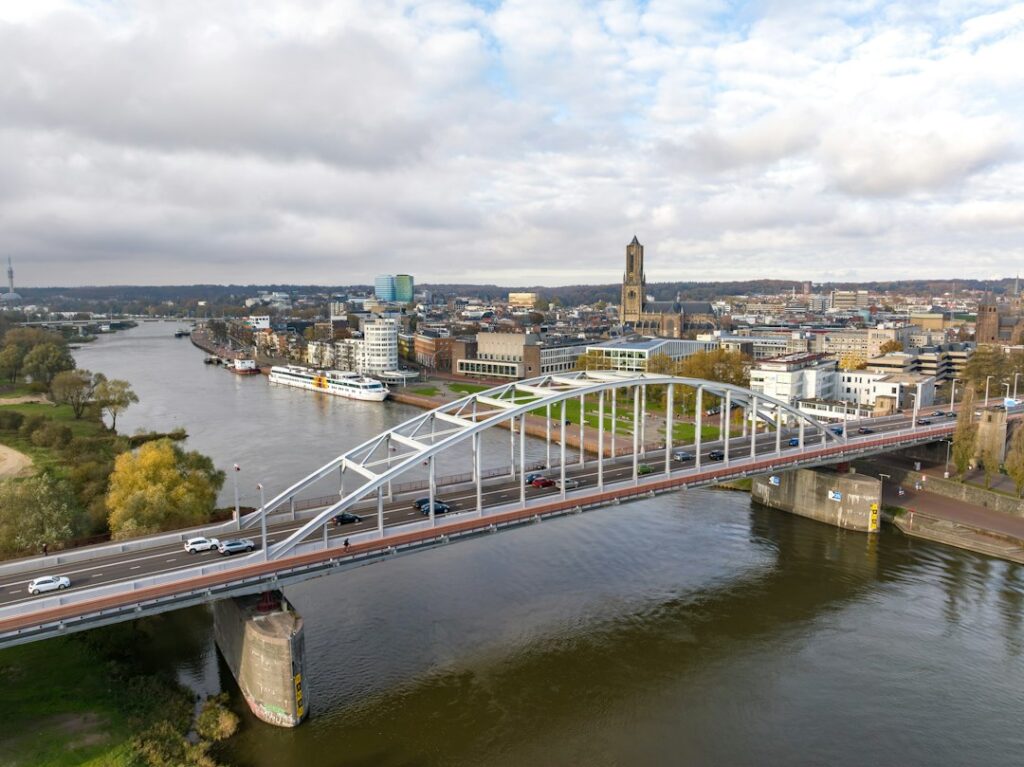
While the bridges at Eindhoven and Nijmegen were eventually captured, the Arnhem bridge remained just out of reach. The paratroopers, commanded by Lieutenant-Colonel John Frost, held the northern end of the bridge for three days and four nights under intense fire, waiting for relief that never came. Of the 10,000 Allied troops deployed to Arnhem, approximately 2,500 reached friendly lines. The rest were killed or captured.
The contrast between Paris in late August and Arnhem in late September 1944 illustrates the unpredictable nature of the war’s final year. Paris, a city of immense symbolic importance, fell to the Allies with relatively limited destruction. Arnhem, a modest Dutch city of far less strategic symbolism, became the site of one of the war’s most costly Allied defeats. The euphoria of liberation gave way to the sobering reality that the road to Berlin would be longer and bloodier than the optimistic autumn of 1944 had suggested.
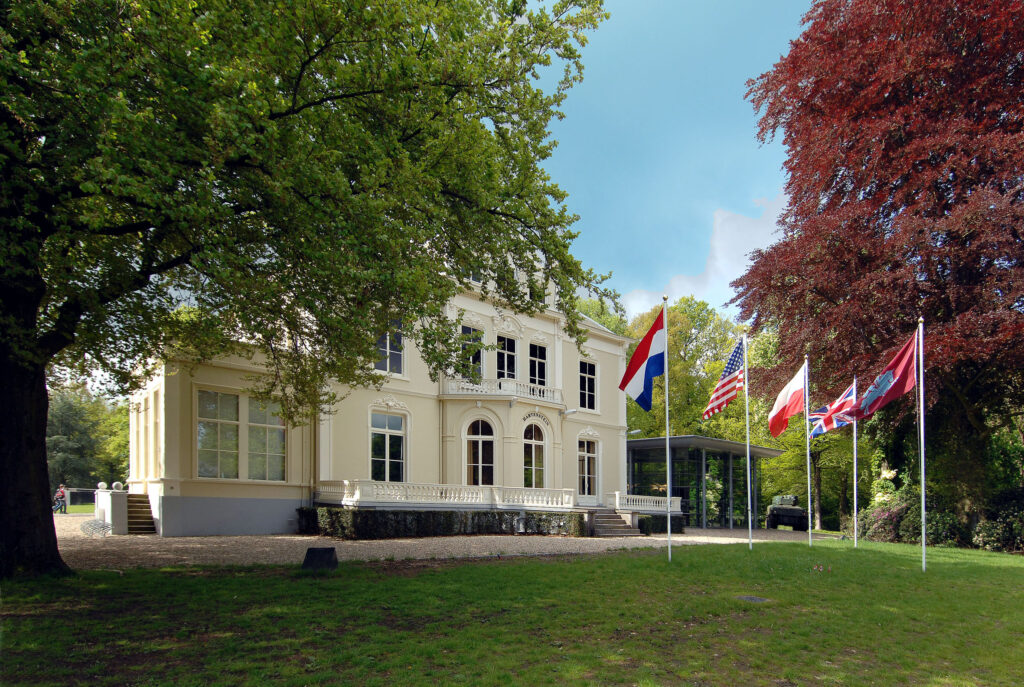
Today, visitors to the Arnhem area can explore the battlefields, memorials, and the Airborne Museum that commemorate this pivotal operation. The story serves as a poignant reminder that the path from Paris’s joyful liberation to final victory was neither straight nor easy, and that the courage displayed in both cities—whether in celebration or in sacrifice—defined a generation.
Tours & experiences in Paris


Powered by Viator. Some links are affiliate links — we may earn a small commission at no extra cost to you.