Less than an hour’s drive southeast of Paris, in the quiet countryside of Maincy, stands a palace that fundamentally altered the course of French royal architecture and triggered one of history’s most dramatic falls from grace. The Château de Vaux-le-Vicomte, completed in 1661, represents not just a masterpiece of baroque design but a cautionary tale about ambition, jealousy, and the dangerous art of outshining a king.
Nicolas Fouquet, Louis XIV’s ambitious finance minister, commissioned architect Louis Le Vau, painter Charles Le Brun, and landscape designer André Le Nôtre to create an estate that would showcase French artistic supremacy. The trio succeeded beyond expectation, crafting a harmonious synthesis of architecture, interior decoration, and garden design that had never before been achieved on such a scale.
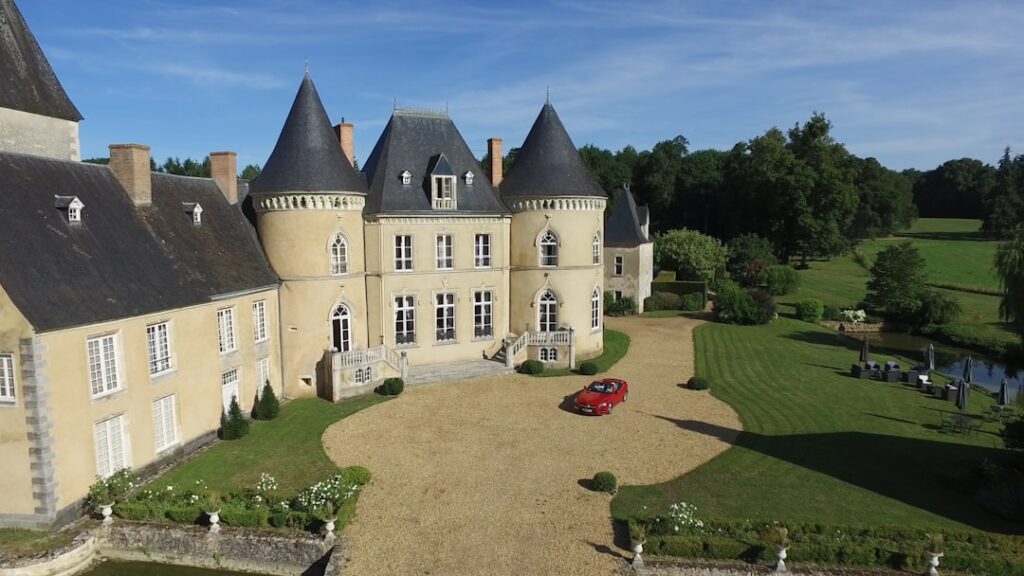
On August 17, 1661, Fouquet hosted a legendary fête to inaugurate his palace, inviting the 22-year-old King Louis XIV and approximately six hundred courtiers. The evening featured a new Molière play performed in the gardens, a sumptuous banquet served on gold plate, and fireworks that illuminated the geometric perfection of Le Nôtre’s gardens. It was, by all accounts, the most magnificent party France had ever witnessed.
It was also Fouquet’s undoing. The young king, still residing in the relatively modest royal apartments at the Louvre and Saint-Germain-en-Laye, was not amused by his minister’s display of wealth and taste. Nineteen days later, Louis XIV had Fouquet arrested on charges of embezzlement. The finance minister would spend the rest of his life imprisoned, dying in the fortress of Pignerol in 1680.
The Birth of Versailles
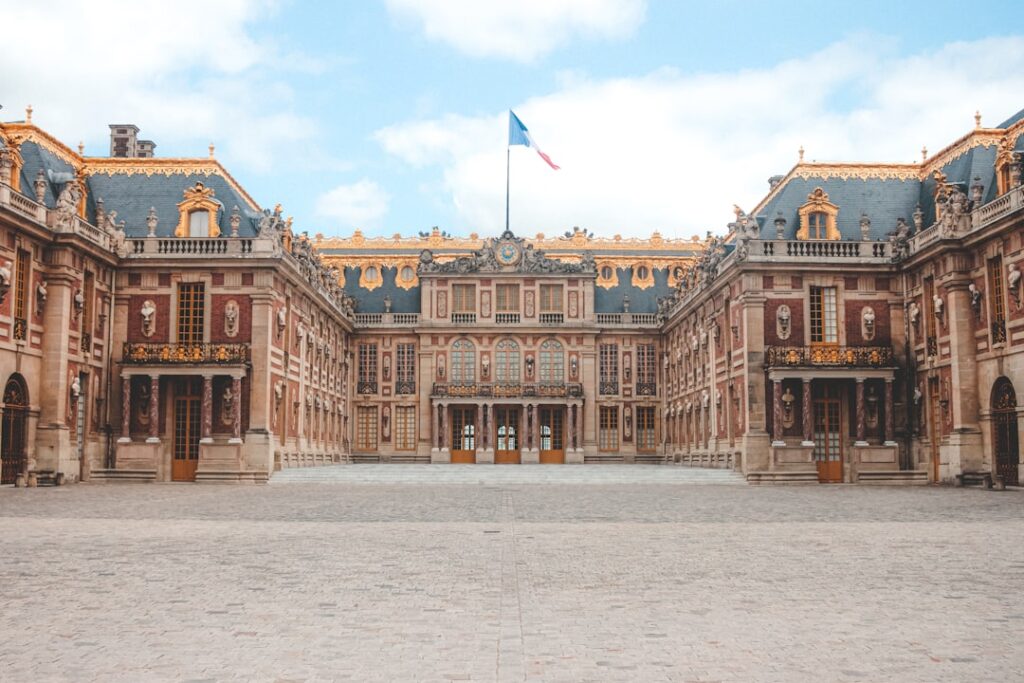
But Louis XIV did more than punish Fouquet—he appropriated his vision. The king immediately hired the same trio of artists who had created Vaux-le-Vicomte and set them to work transforming his father’s hunting lodge at Versailles into the greatest palace Europe had ever seen. Le Vau designed the envelope, Le Brun decorated the interiors, and Le Nôtre laid out gardens that would dwarf those at Maincy.
The DNA of Vaux-le-Vicomte runs through every gallery and garden path at Versailles. The oval salon that would become Versailles’ signature feature? First perfected at Vaux. The integration of palace and garden as a unified artistic statement? Pioneered in Maincy. Even specific decorative motifs—the use of gilded stucco, the painted ceilings depicting mythological scenes glorifying the patron—were rehearsed at Fouquet’s estate before being deployed at royal scale.
Visiting Today
Modern visitors to Paris can easily make the journey to Vaux-le-Vicomte, which remains in private hands and is meticulously maintained. The palace offers a more intimate experience than Versailles, allowing guests to appreciate the revolutionary design principles without the crowds. On Saturday evenings from May through October, the château recreates something of Fouquet’s fatal party, illuminating the gardens with two thousand candles and offering visitors a glimpse of the spectacle that changed French history.
The story of Vaux-le-Vicomte reminds us that Paris has always existed in dialogue with its surrounding countryside, and that some of the most significant moments in the capital’s cultural history unfolded in the estates and châteaux of the Île-de-France. Fouquet’s palace stands as both a masterpiece and a monument to hubris—the place where French classical style was perfected and where one man learned, too late, that in the presence of an absolute monarch, it is dangerous to shine too brightly.
Tours & experiences in Paris


Powered by Viator. Some links are affiliate links — we may earn a small commission at no extra cost to you.