In the late 19th and early 20th centuries, two neighbourhoods on opposite sides of the Atlantic became destinations for Jewish immigrants: the Pletzl in Paris’s 4th arrondissement and the Lower East Side of Manhattan. Both districts received Eastern European Jews fleeing pogroms, persecution, and poverty, though on vastly different scales.
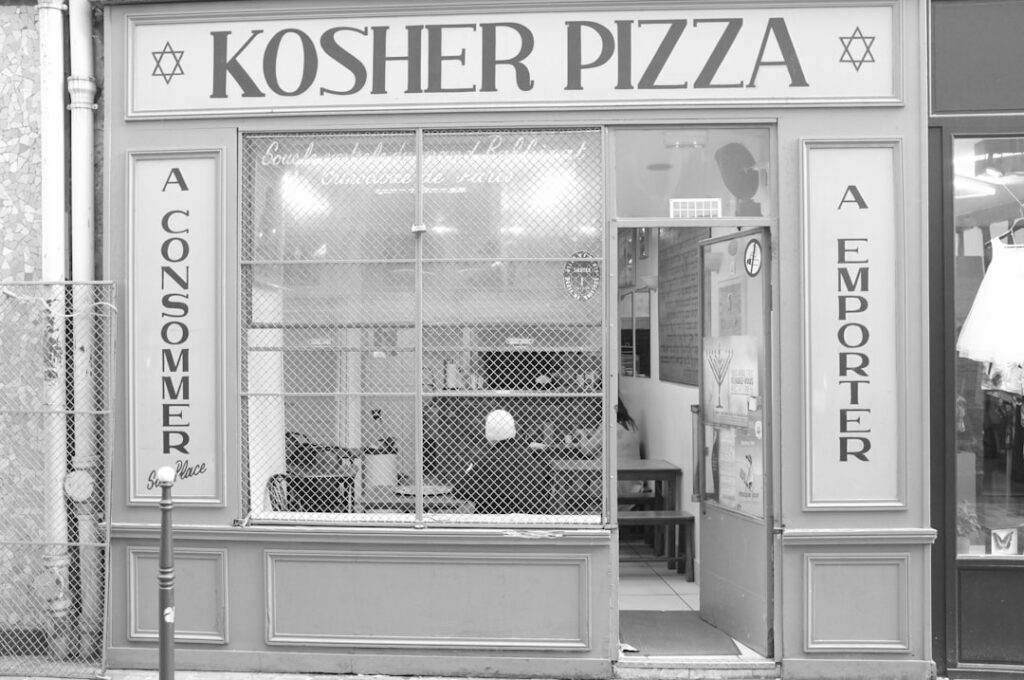
The Pletzl—Yiddish for “little square”—centred around the Rue des Rosiers, became the heart of Paris’s Jewish quarter from the 1880s onwards. Polish, Russian, and Romanian Jews settled in the narrow medieval streets of the Marais, establishing synagogues, Yiddish theatres, kosher butchers, and bakeries. The neighbourhood became a self-contained world where Yiddish was spoken and traditional life could continue amid the boulevards of Paris.
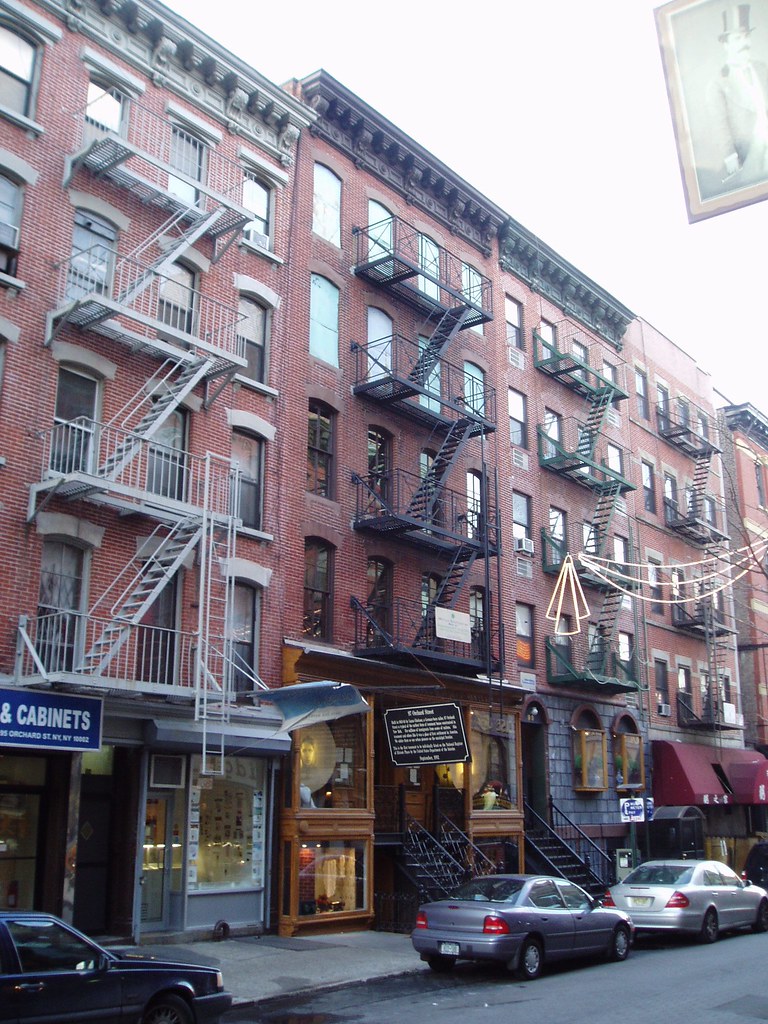
Across the Atlantic, immigration created a much larger enclave. The Lower East Side That Jewish Immigrants Built became the most densely populated neighbourhood in the world by 1910, with tenements packed with families from Eastern European shtetls. The cultural institutions included Yiddish newspapers, mutual aid societies, kosher establishments, and synagogues that preserved the religious and cultural traditions of the old country.
The scale of immigration differed significantly: France received approximately 100,000 Eastern European Jews between 1881 and 1925, while the United States received over 2 million during the same period. Nevertheless, both communities faced the challenges of adapting to new urban environments while preserving their cultural identity.
Both neighbourhoods also share a trajectory marked by the Holocaust. In July 1942, Parisian Jews—including many from the Pletzl—were arrested in the Vel d’Hiv roundup and deported to concentration camps. Post-war immigration brought Sephardic Jews from North Africa to the Pletzl, just as the Lower East Side saw demographic shifts and gentrification.
Today, visitors to both neighbourhoods can trace this heritage. In Paris, the Rue des Rosiers still hosts historic Jewish bakeries like Sacha Finkelsztajn, founded in 1946, and the Memorial de la Shoah stands as testimony to the community’s suffering. Synagogues like the Agoudas Hakehilos on Rue Pavée, designed by Hector Guimard in 1913, remain active.
These two neighbourhoods represent different chapters of the great Jewish migration from Eastern Europe, each preserving and adapting traditions in their new homes.
Tours & experiences in Paris


Powered by Viator. Some links are affiliate links — we may earn a small commission at no extra cost to you.