
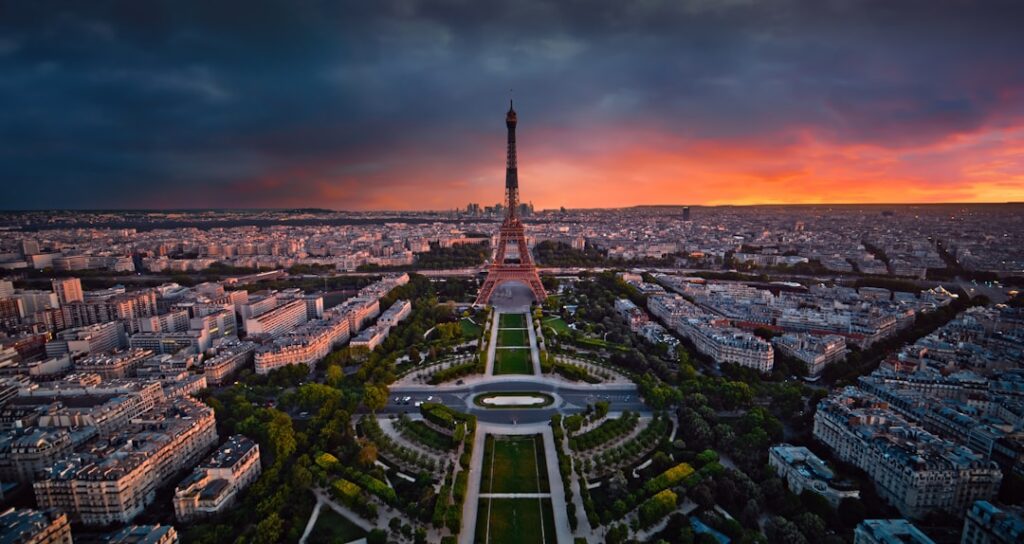
In February 1992, European leaders gathered in the southern Dutch city of Maastricht to sign one of the most consequential treaties in modern European history. Yet the path to that historic moment was paved in Paris, where France played a pivotal role in shaping the vision of a unified Europe that would culminate in the Maastricht Treaty.
The treaty, formally known as the Treaty on European Union, established the European Union as we know it today and created the euro currency. But the French connection to this Dutch milestone runs deeper than mere participation. French President François Mitterrand and German Chancellor Helmut Kohl were the driving forces behind the treaty, with Mitterrand insisting that European integration must accelerate following German reunification.
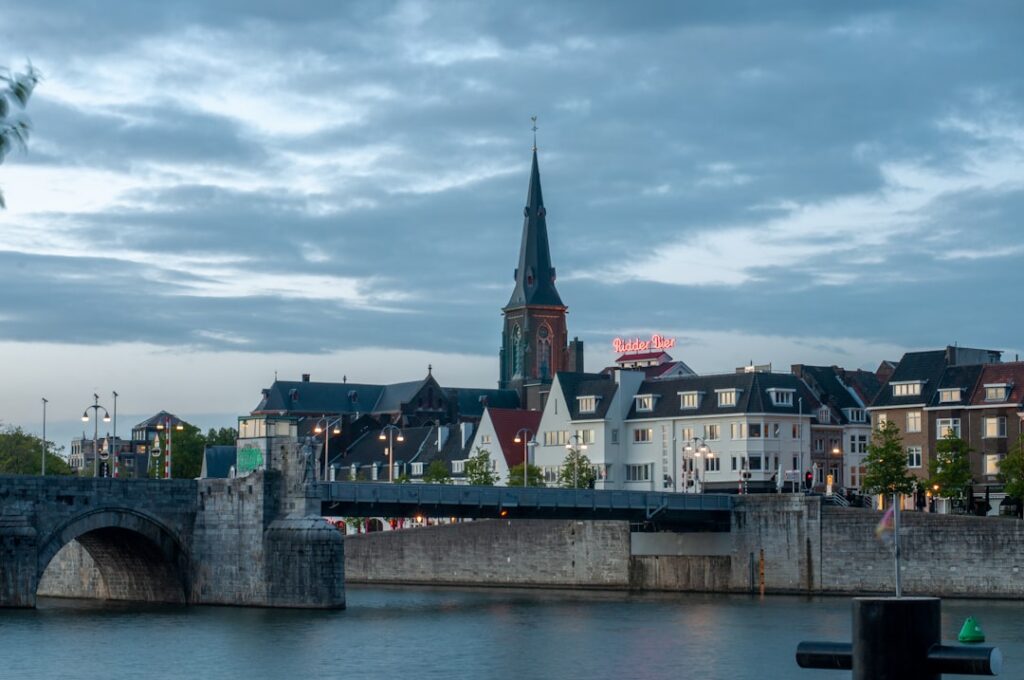
The choice of Maastricht as the signing location was itself significant. This ancient city in the Netherlands’ southernmost province of Limburg represented a symbolic bridge between northern and southern Europe, much as Paris had long served as a bridge between European powers. The treaty negotiations had been fierce, with multiple rounds of talks in various European capitals, but it was in the elegant rooms of Maastricht’s provincial government building that the final document was signed on February 7, 1992.
France’s role in the Maastricht Treaty cannot be overstated. The French government had long championed the idea of a common European currency, seeing it as a way to anchor Germany more firmly within a European framework while maintaining French influence over continental affairs. The treaty’s provisions for economic and monetary union reflected decades of French diplomatic efforts, dating back to the Treaty of Rome and the European Coal and Steel Community.
From Paris Vision to Dutch Reality
The Maastricht Treaty built upon foundations laid by earlier agreements, many of which bore strong French fingerprints. The 1951 Treaty of Paris, which established the European Coal and Steel Community, was the first step toward the integrated Europe that Maastricht would formalize four decades later. French Foreign Minister Robert Schuman’s 1950 declaration, delivered in Paris, proposed the pooling of French and German coal and steel production—a revolutionary idea that would evolve into the European Union.
When European leaders convened in Maastricht, they were fulfilling a vision that French statesmen had articulated from Paris for generations. The treaty established the three-pillar structure of the European Union, created European citizenship, and set the timeline for the introduction of the euro—a currency that would be managed from Frankfurt but whose intellectual origins lay partly in French economic policy circles.
The Referendum and French Debate
The Maastricht Treaty’s impact on France was immediate and profound. In September 1992, France held a referendum on ratifying the treaty, which passed by the narrowest of margins: 51.05% in favor. The campaign revealed deep divisions within French society about European integration, sovereignty, and France’s role in a changing Europe. The debate consumed Paris and the entire nation, with passionate arguments in cafés, newspapers, and television studios about what Maastricht meant for French identity.
Today, visitors to Maastricht can explore the city where this pivotal treaty was signed, discovering a beautiful medieval center with Roman foundations, stunning churches, and vibrant café culture. The city’s location at the crossroads of Dutch, Belgian, and German cultures makes it a fitting symbol of European unity—the very ideal that French leaders championed from Paris and saw realized in this charming Dutch city.
The Maastricht Treaty remains a testament to how vision articulated in one European capital can find its concrete expression in another, binding nations together in ways that continue to shape our world three decades later.
Tours & experiences in Paris


Powered by Viator. Some links are affiliate links — we may earn a small commission at no extra cost to you.