
In the spring of 1916, a small group of Irish rebels seized key buildings across Dublin and declared an independent republic. Among the leaders executed after the Easter Rising of 1916 was James Connolly, a socialist and trade union organizer whose political thought had been shaped by various European revolutionary movements, including the Paris Commune of 1871.
The Paris Commune, which governed the French capital for 72 tumultuous days between March and May 1871, became a touchstone for revolutionary movements across Europe. Its brief existence—ended bloodily during La Semaine Sanglante when government forces retook the city—offered both inspiration and cautionary lessons for those seeking radical social change.
Connolly wrote about the Paris Commune in 1899, expressing admiration for this revolutionary experiment. As a socialist thinker, he was interested in how workers’ movements might achieve both national independence and social justice. The Commune represented an example of workers taking control of a major city and attempting to govern according to democratic principles.
Revolutionary Traditions in Europe
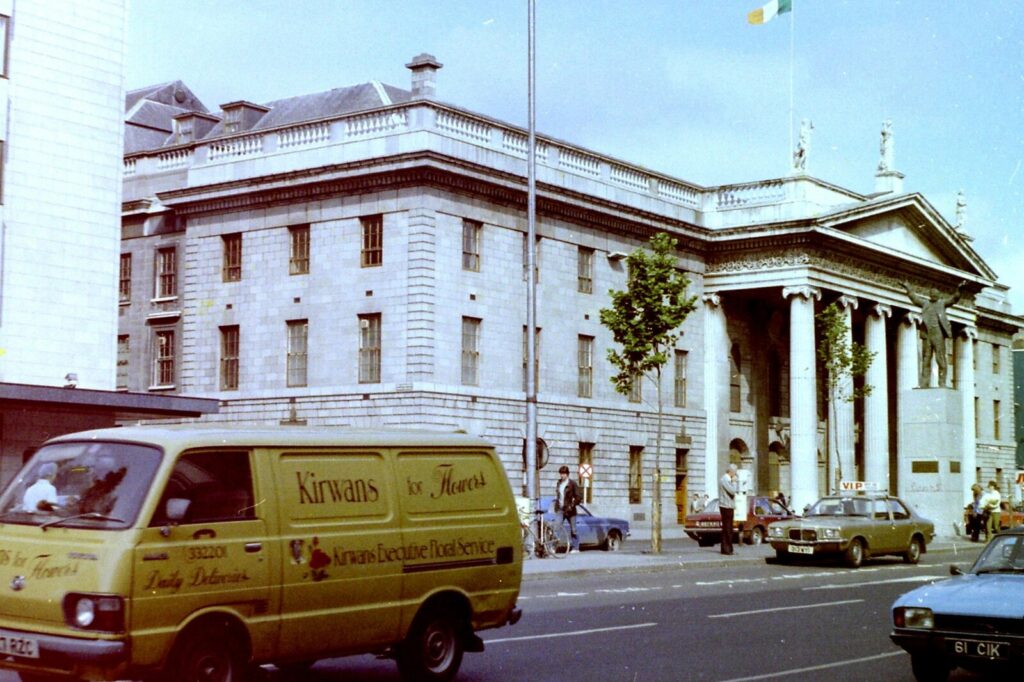
The Proclamation of the Irish Republic, read by Patrick Pearse from the steps of the GPO on Easter Monday 1916, reflected egalitarian ideals that Connolly helped shape. Its guarantee of “religious and civil liberty, equal rights and equal opportunities to all its citizens” and its promise to “cherish all the children of the nation equally” expressed principles of social equality alongside national independence.
Urban uprisings across 19th and early 20th century Europe shared common features: the seizure of strategic buildings, the use of barricades, and declarations of new political orders. The Irish Volunteers’ occupation of the General Post Office on O’Connell Street and other buildings throughout Dublin followed patterns seen in various European revolutionary moments.
A Broader Revolutionary Context
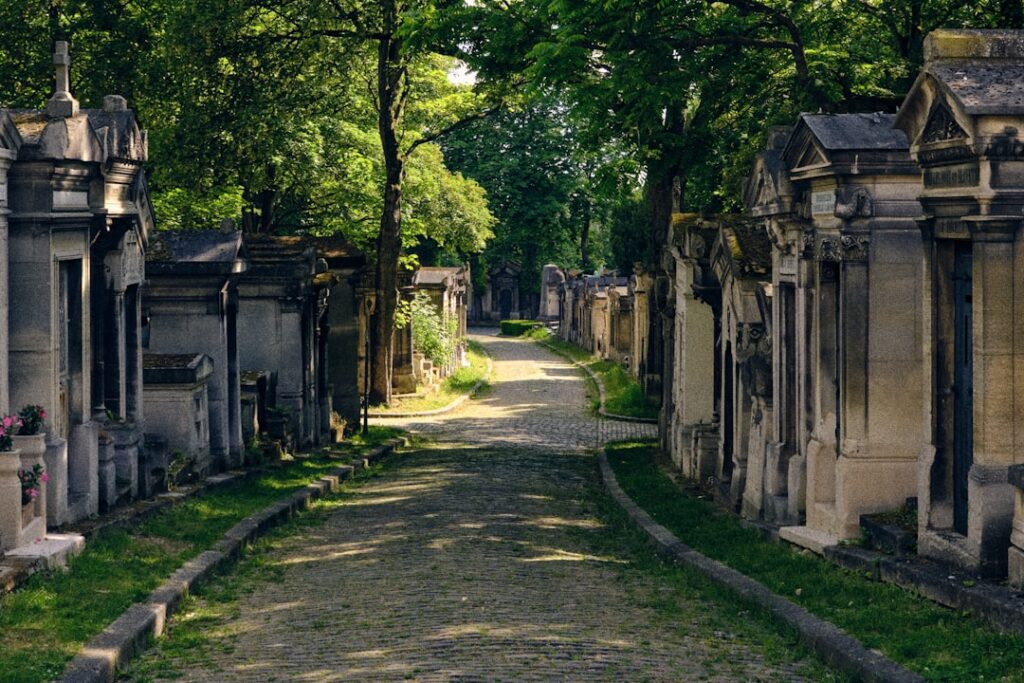
Today, visitors to Paris can trace the Commune’s geography through plaques and monuments across the city, from the Mur des Fédérés in Père Lachaise Cemetery where Communards made their last stand, to the Place de la Bastille, eternal symbol of French revolutionary spirit. Similarly, in Dublin, the sites of 1916 have become important landmarks for those interested in Irish independence.
The Paris Commune was one of several European revolutionary movements that influenced socialist and republican thinkers in the late 19th and early 20th centuries. For figures like Connolly, these movements represented possibilities for combining national self-determination with social and economic justice—ideas that would find expression in Ireland’s own struggle for independence.
Tours & experiences in Paris


Powered by Viator. Some links are affiliate links — we may earn a small commission at no extra cost to you.