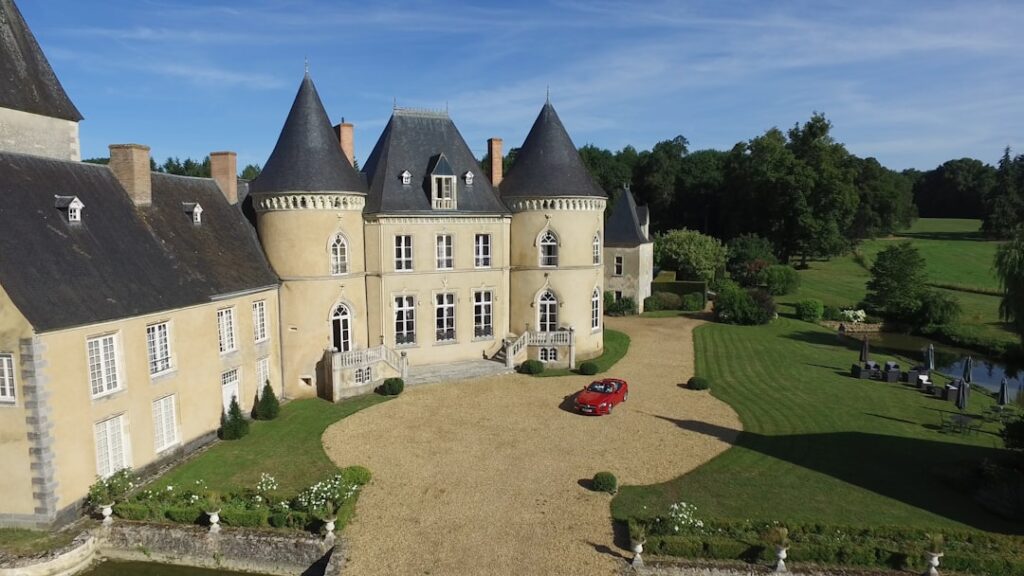
On the evening of August 17, 1661, finance minister Nicolas Fouquet hosted what would become the most disastrous housewarming party in French history. At his newly completed Château de Vaux-le-Vicomte, just 55 kilometers southeast of Paris, Fouquet welcomed King Louis XIV to a fête of unprecedented magnificence. The château’s gardens sparkled with fountains, Molière premiered a new comedy, and guests dined on gold plate beneath fireworks that illuminated the night sky.
Within three weeks, Fouquet was arrested. Within months, he was imprisoned for life.
The connection between Paris and Vaux-le-Vicomte is one of the most consequential in French architectural history. What happened that August night didn’t just destroy one man—it redirected the entire course of royal patronage and gave birth to Versailles, the palace that would define the French monarchy for generations.
The Dream Team That Built Too Well
Fouquet had assembled France’s greatest artistic talents for his château: architect Louis Le Vau, painter Charles Le Brun, and landscape designer André Le Nôtre. Together, they created a baroque masterpiece that married architecture, decoration, and garden design into a unified work of art—a revolutionary concept at the time. The château’s grand axis extended through formal gardens to a distant horizon, creating an illusion of infinite power and control over nature.
The problem was that this vision outshone anything the young Louis XIV possessed. The king’s own residences in and around Paris—the Louvre, the Tuileries, even Saint-Germain-en-Laye—suddenly seemed provincial by comparison. As Voltaire later wrote, “On August 17, at six in the evening, Fouquet was the King of France; at two in the morning he was nobody.”
From Vaux to Versailles
Louis XIV’s response was swift and calculated. He had Fouquet arrested on charges of embezzlement (not entirely unfounded—the finance minister had been creative with state funds). But the king’s real crime was different: he had committed an act of lèse-majesté through architecture, daring to possess something more magnificent than his sovereign.
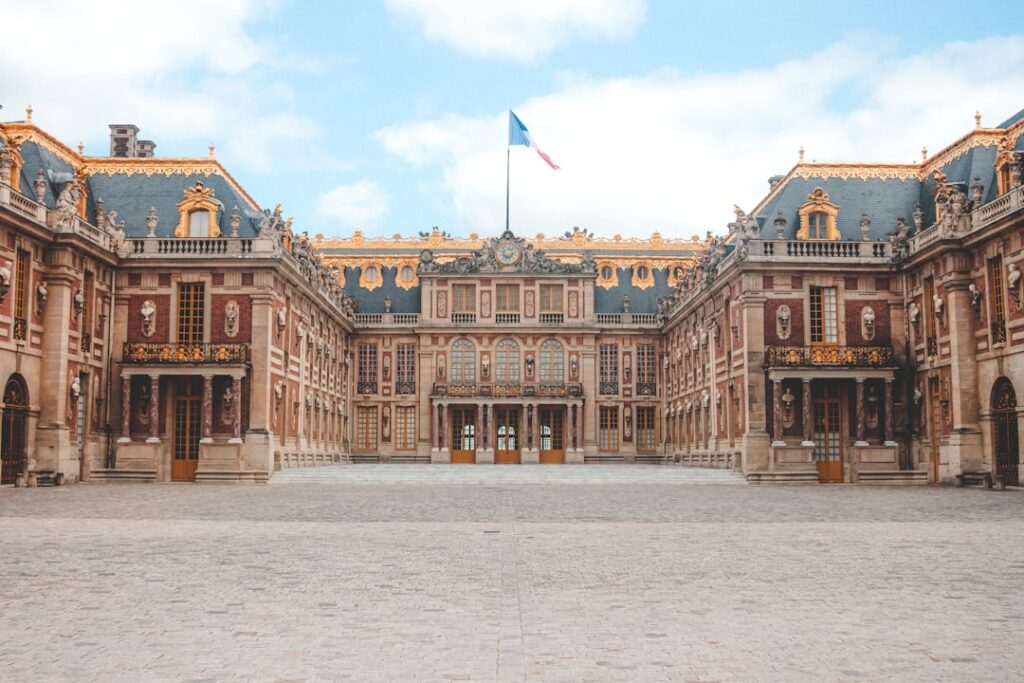
The king then did something remarkable. Rather than destroy what Fouquet had created, he appropriated it. Louis XIV hired the exact same team—Le Vau, Le Brun, and Le Nôtre—and set them to work creating an even grander palace at Versailles, a former hunting lodge southwest of Paris. He even seized trees, statues, and orange trees from Vaux’s gardens and transported them to his new project.
Versailles became Vaux-le-Vicomte multiplied by royal ambition and unlimited funds. The same principles of axial design, the same integration of building and landscape, the same use of water features to demonstrate mastery over nature—all pioneered at Vaux—were deployed at Versailles on a scale that would dwarf the original.
A Legacy Preserved
Today, visitors can make the journey from Paris to Vaux-le-Vicomte and see the château that changed French history. Unlike Versailles, which was expanded and modified over decades, Vaux remains essentially as it was in 1661—a perfectly preserved snapshot of the moment when French classical architecture reached its first peak. The château passed through various hands before being purchased and meticulously restored by the Sommier family in the 19th century.
Standing in Vaux’s grand salon or walking through Le Nôtre’s geometric gardens, one can understand exactly what provoked Louis XIV’s jealous rage. The château’s beauty wasn’t just aesthetic—it was political. It demonstrated that a subject could command resources, taste, and vision that rivaled the crown itself. That was a lesson the Sun King would never allow to be repeated, and it’s why Versailles exists as we know it today.
Tours & experiences in Paris


Powered by Viator. Some links are affiliate links — we may earn a small commission at no extra cost to you.