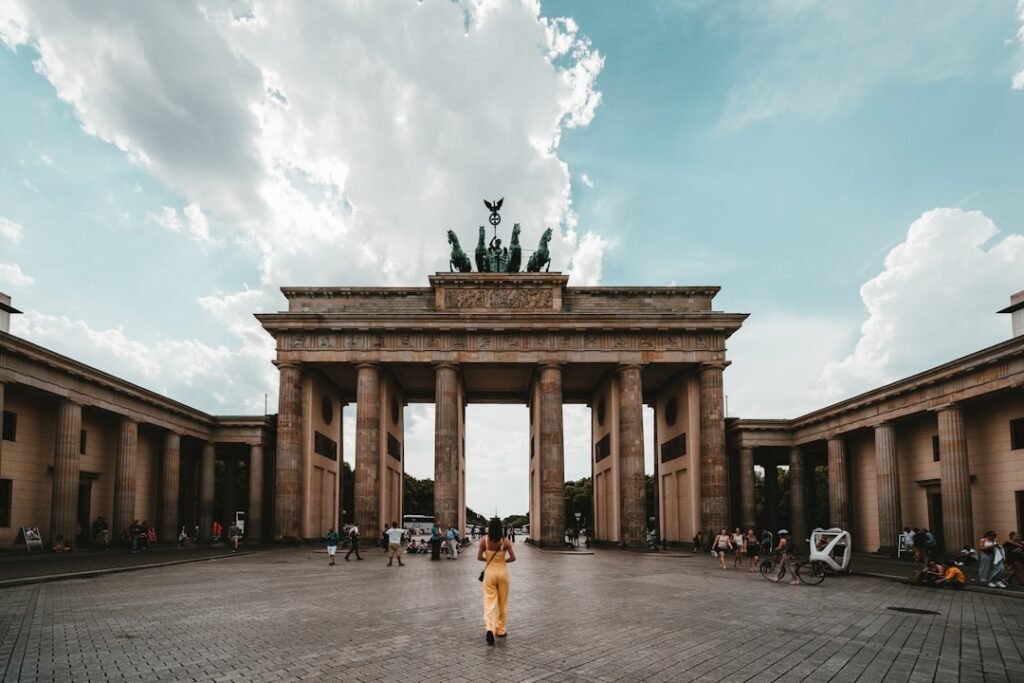
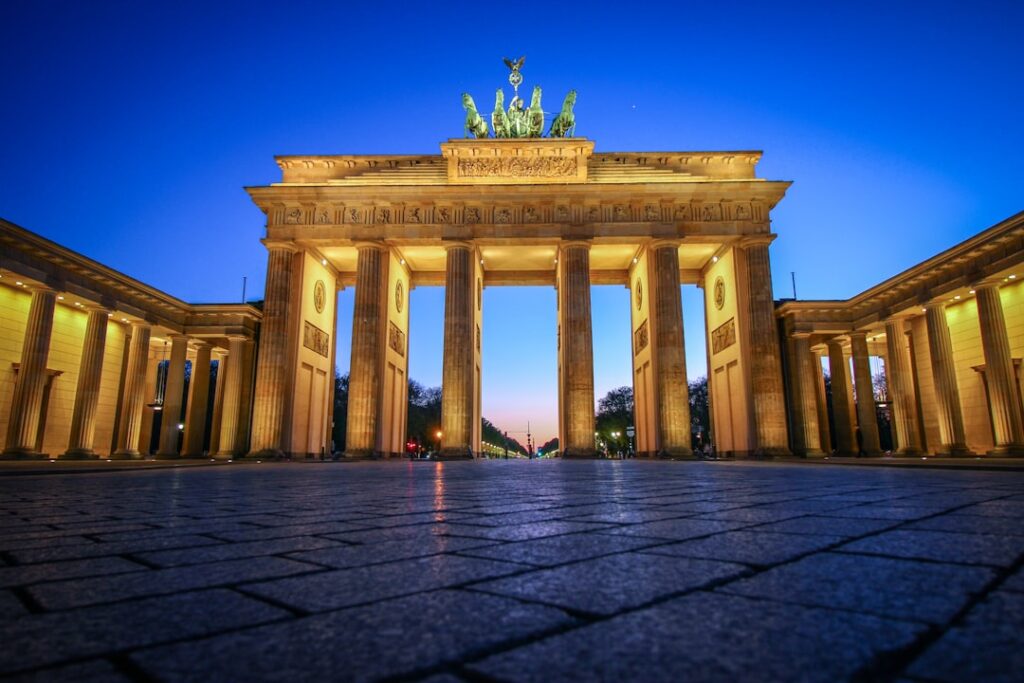
High atop the Brandenburg Gate in Berlin stands the Quadriga, a magnificent copper sculpture of the goddess Victoria driving a chariot pulled by four horses. But for eight years in the early 19th century, this iconic symbol of German pride was not in Berlin—it had been taken to Paris as a trophy of Napoleon’s conquests and a testament to one of history’s most audacious acts of cultural plunder.
In October 1806, following his decisive victory over Prussia at the Battle of Jena-Auerstedt, Napoleon Bonaparte entered Berlin in triumph. Among the many spoils he claimed was the Quadriga, created by sculptor Johann Gottfried Schadow in 1793. Napoleon ordered the sculpture dismantled and transported to Paris in twelve crates.
The removal of the Quadriga was more than mere theft—it was a symbolic humiliation. The sculpture had come to represent Prussian power and Berlin’s status as a great European capital. Its absence left the Brandenburg Gate incomplete, a daily reminder to Berliners of their subjugation.
For eight years, the Quadriga remained in Paris, though historical sources indicate it was kept in storage rather than publicly displayed. It became part of Napoleon’s grand vision to transform the French capital into a new Rome, adorned with the cultural treasures of conquered nations. The Louvre swelled with masterpieces taken from Italy, Germany, and beyond. Napoleon’s agents systematically stripped museums and churches across Europe, and Berlin’s Museum Island and other Prussian collections were among their targets.
The Quadriga’s fortunes changed dramatically in 1814. Following Napoleon’s defeat and abdication, Prussian forces led by General Blücher discovered the sculpture in Paris. Ernst von Pfuel oversaw its repatriation to Berlin. The Quadriga was carefully dismantled and transported back to Berlin. Its return was celebrated as a moment of national redemption.
Upon the sculpture’s restoration to the Brandenburg Gate, the Prussians made a significant modification. The goddess Victoria was given a new crown: an Iron Cross designed by Karl Friedrich Schinkel, and an eagle—symbols of Prussian military might and a deliberate rebuke to France. The Quadriga had been transformed from a symbol of peace into a monument to victory over Napoleon.
The episode remains a fascinating chapter in the complex cultural relationship between Paris and Berlin, two cities that have alternated between rivalry and mutual admiration for centuries.
The story of the Quadriga also highlights a broader historical pattern: Napoleon’s systematic looting of European cultural heritage, which paradoxically helped establish the modern concept of national patrimony and the ethical obligation to protect cultural property during wartime. The sculpture’s journey from Berlin to Paris and back again became a template for future restitution claims and debates about cultural ownership that continue to this day.
The Quadriga survived World War II bombings and Cold War division, and after German reunification, underwent major restoration. It stands today as a symbol not just of German unity, but of cultural resilience—a reminder that some treasures are too precious to remain spoils of war.
Tours & experiences in Paris


Powered by Viator. Some links are affiliate links — we may earn a small commission at no extra cost to you.