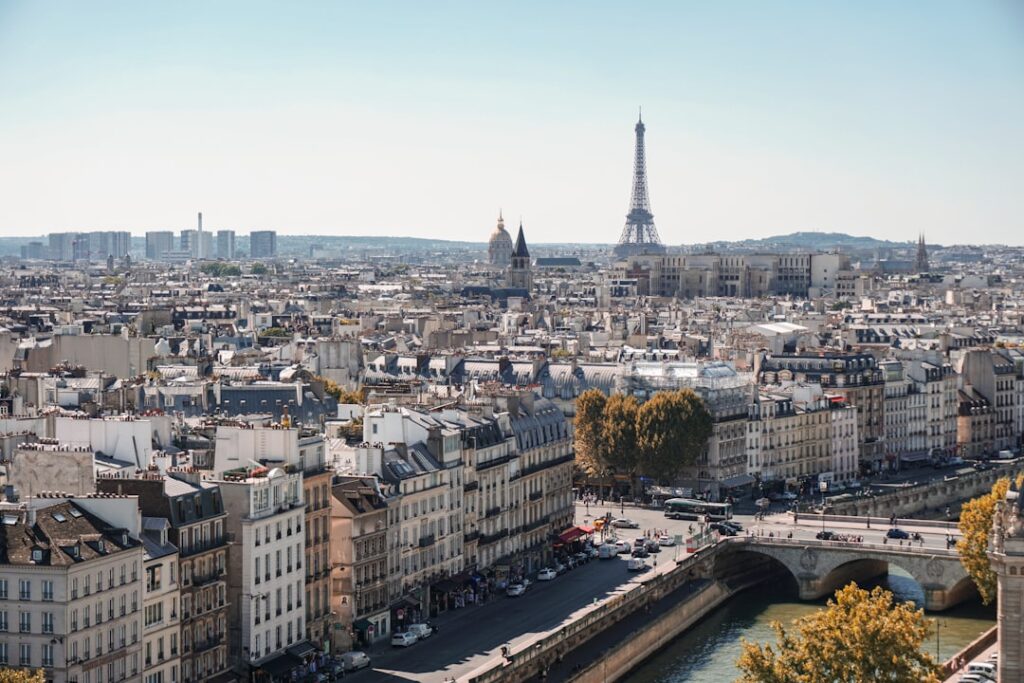
Long before the European Union, before modern diplomacy, Paris and Scotland shared one of history’s most enduring political and cultural bonds. The Auld Alliance, formalized in 1295 and lasting nearly three centuries, created ties between France and Scotland that still echo through the streets of both nations today.
The alliance was born of necessity. When England’s Edward I threatened Scottish independence, King John Balliol turned to France’s Philip IV for support. The resulting treaty granted Scots special privileges in France—including dual citizenship, exemption from alien taxes, and the right to own property. French monarchs, in turn, gained a strategic ally that could threaten England from the north whenever cross-Channel tensions flared.
The Scottish Guard of Paris
Perhaps nowhere was the alliance more visible than in Paris itself. The Garde Écossaise, or Scottish Guard, served as the elite bodyguard unit for French kings from 1418 to 1830. These kilted warriors walked the halls of the Louvre, protected monarchs at Versailles, and became fixtures of Parisian court life. Their barracks once stood near the current Hôtel de Ville, and Scottish soldiers became such a common sight in medieval Paris that the French expression “fier comme un Écossais” (proud as a Scot) entered the language.

The guard’s most famous member was John Stewart of Darnley, who commanded Scottish forces in France and served as Constable of the Scottish Army in France in the 15th century. His descendants would later provide Scotland with its Stuart monarchs, creating a bloodline that linked Paris drawing rooms with Highland thrones.
Mary Queen of Scots: A Parisian Princess
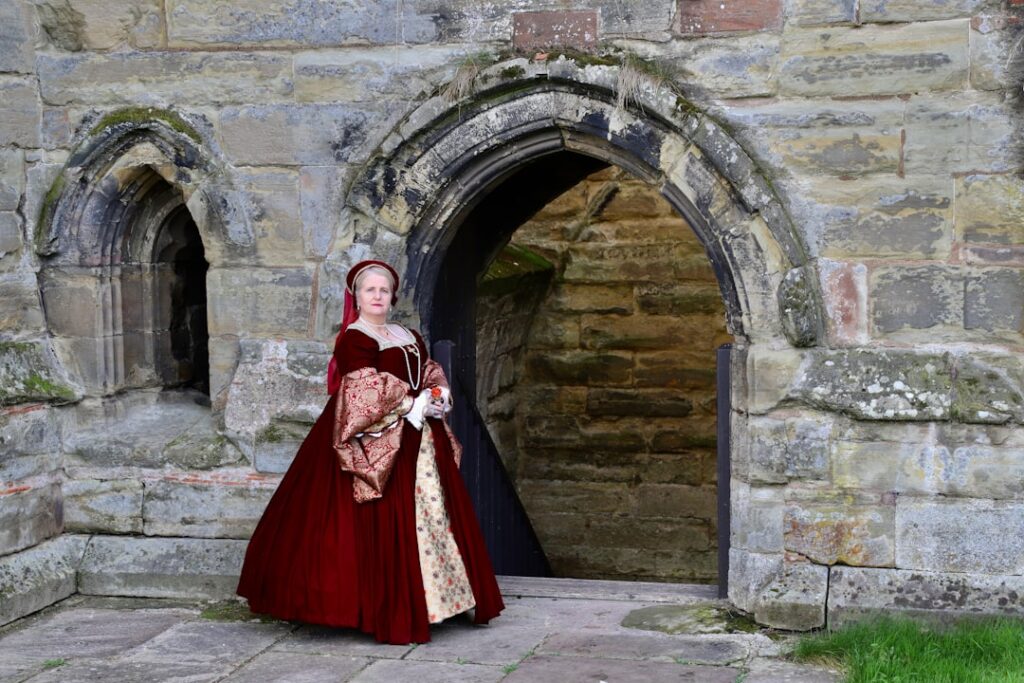
The alliance reached its romantic peak with Mary Queen of Scots, who spent her formative years in Paris. Arriving at age five in 1548, she was raised at the French court alongside the royal children, receiving the finest Renaissance education Europe could offer. In 1558, at Notre-Dame de Paris, she married the Dauphin Francis in a ceremony that briefly united the Scottish and French crowns.
Though widowed young and forced to return to Scotland, Mary never forgot her French upbringing. She brought French culture, fashion, and cuisine to Stirling Castle and other Scottish residences, transforming them with Continental sophistication. Her French ladies-in-waiting scandalized the Scottish court with their elegant gowns and cosmopolitan manners.
Cultural Exchanges That Endure
The alliance left permanent marks on both cultures. Hundreds of French words entered Scots language: “ashet” (assiette), “gigot” (leg of lamb), “gardyloo” (gardez l’eau). Meanwhile, Scottish merchants established communities in French ports, particularly Bordeaux and La Rochelle, where they traded wool and salted fish for wine and luxury goods.
In Paris today, the Collège des Écossais on Rue du Cardinal Lemoine stands as a living monument to these ties. The college institution was founded in 1333 for Scottish students at the University of Paris, though the current building at this address was constructed in 1662-1665. It operated for centuries as a haven for Scots scholars, priests, and Jacobite exiles. The building was confiscated during the French Revolution, returned in 1806, and now houses a school.
Modern Echoes
The Auld Alliance was formally dissolved in 1560 when Scotland embraced Protestantism and England’s friendship. Yet the cultural bonds persist. Paris hosts an annual Tartan Day celebration, while Scottish regiments still parade through French towns on Armistice Day. In 2018, the 500th anniversary of French-Scottish military cooperation was commemorated with ceremonies in both nations.
For visitors to Paris, traces of Scotland appear in unexpected places: Scottish pubs in the Marais, a plaque marking where Bonnie Prince Charlie stayed during his French exile, and the tomb of James II of England (VII of Scotland) at the church of Saint-Germain-en-Laye. The alliance may be ancient history, but it created a friendship that neither time nor politics has entirely erased.
Tours & experiences in Paris


Powered by Viator. Some links are affiliate links — we may earn a small commission at no extra cost to you.