
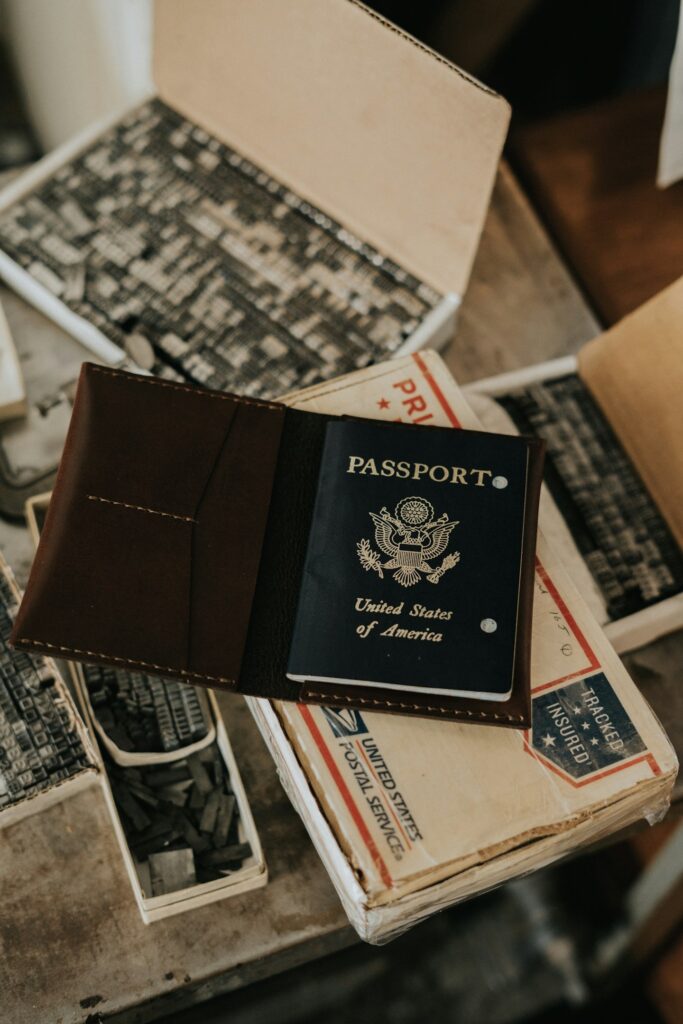
We love helping you plan Paris, and this is the one check we wish every visitor made before booking a single flight. If you travel on a passport from outside the EU, France applies two date rules to it at the border. Both are printed on your passport’s photo page, and both take a minute to check at the kitchen table.
What the two rules say
France is part of the Schengen area, so the EU’s Schengen Borders Code sets the rules. Article 6 says your travel document must satisfy these criteria:
“(i) its validity shall extend at least three months after the intended date of departure from the territory of the Member States. In a justified case of emergency, this obligation may be waived; (ii) it shall have been issued within the previous 10 years”
Regulation (EU) 2016/399, Article 6(1)(a)The Paris most visitors miss
Our free 8-page PDF guide: 25 places, from Galerie Vivienne's 1880 mosaic floor to Canal Saint-Martin's locks, each linked to its official site.
In plain words, that gives us two checks:
- The 10-year check: your passport must have been issued less than 10 years before the day you arrive.
- The 3-month check: your passport must still be valid at least three months after the day you plan to leave the Schengen area.
A passport can pass one check and fail the other. GOV.UK gives British travellers a clear warning: “if you renewed your passport before 1 October 2018, it might have a date of issue that is more than 10 years ago, making it invalid for entry to the Schengen area”. So a passport that is still in date is not always good enough.
How to check your own passport
- Open your passport at the photo page and find two dates: the date of issue and the date of expiry.
- Take the day you land in France (or in the first Schengen country on your trip). The date of issue must be less than 10 years before that day.
- Take the day you will leave the Schengen area, which is your last day in Europe if you go on to Italy, Spain or elsewhere in Schengen after Paris. Count three months forward from that day. Your expiry date must be on or after it.
- Do the same for everyone travelling with you, children included.
An example: if we fly home from Paris on 10 June, our passports need to be valid until at least 10 September of that year. If one fails either check, we renew it before we book, not after.
Who this applies to
These rules are for non-EU passport holders, for example visitors from the United States, the United Kingdom, Canada and Australia. EU citizens travel under different rules. If you hold two passports, check the one you will show at the border.
The stakes are real. GOV.UK puts it plainly: “You will be denied entry if you do not have a valid travel document”. Your own government’s page is the place to check fees, renewal times and anything else that changes.
Official sources
Checked October 2026. Read the rules on the official pages:
- EU Schengen Borders Code, Regulation (EU) 2016/399, Article 6 (EUR-Lex)
- US Department of State: France international travel information
- GOV.UK: France entry requirements
Passport sorted? Now plan the fun part
Once your dates pass both checks, let us help with the rest. Our free PDF guide to 25 Paris places most visitors miss is a good place to start your list.
Tours & experiences in Paris


Powered by Viator. Some links are affiliate links — we may earn a small commission at no extra cost to you.