On May 31, 1961, President John F. Kennedy arrived at Orly Airport, beginning a state visit to France that would become one of the most memorable diplomatic encounters of the Cold War era. Kennedy, whose great-grandfather Patrick Kennedy had emigrated from County Wexford during Ireland’s Great Famine, brought with him the power of American leadership and a personality that would captivate the French public.
Kennedy’s Paris visit came at a crucial moment in history. The Berlin Wall would rise just months later, and the world teetered on the edge of nuclear confrontation. Yet what emerged from the visit was not just political negotiation, but a remarkable cultural connection between the American president and the French people.
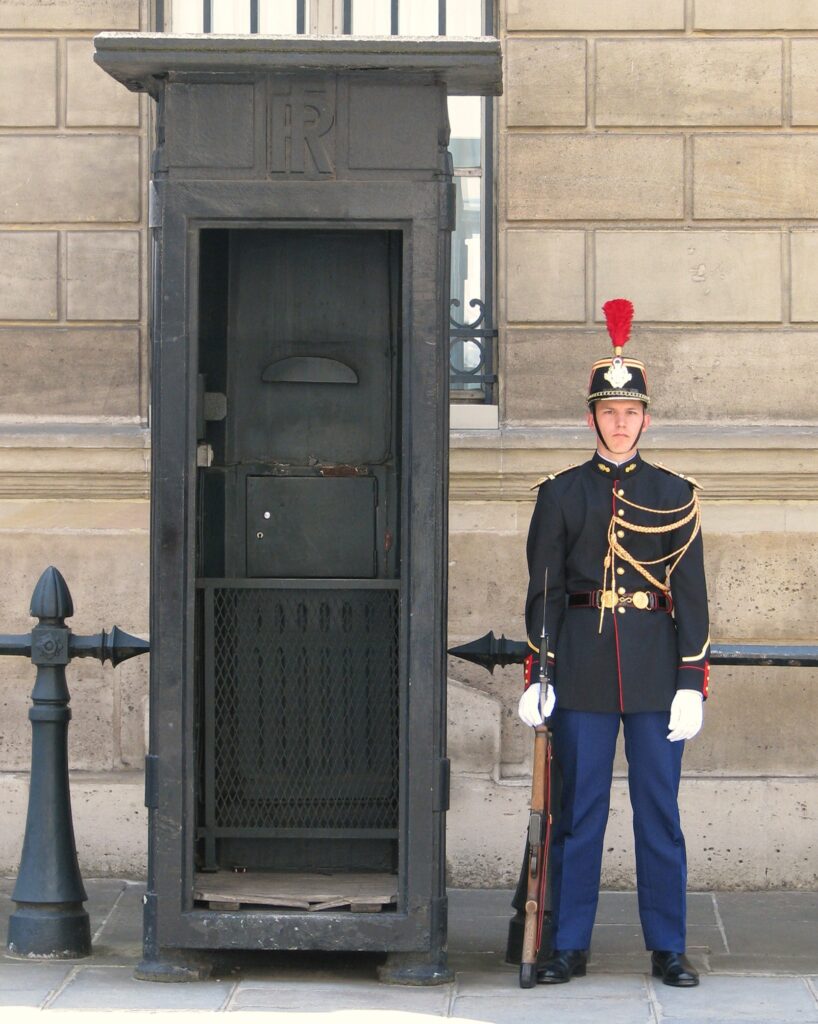
President Charles de Gaulle and Kennedy met at the Élysée Palace for discussions that would shape Western alliance strategy. Kennedy’s intellectual appreciation for French culture, his ability to speak French, and his personal charm won Parisian hearts during the visit.
Kennedy was among the US Presidents with Irish Heritage to serve in the highest American office. His Irish ancestry was one aspect of his background, though his success in Paris was primarily attributed to his wife Jacqueline Kennedy’s fluency in French and deep knowledge of French culture, which captivated the French media and public.
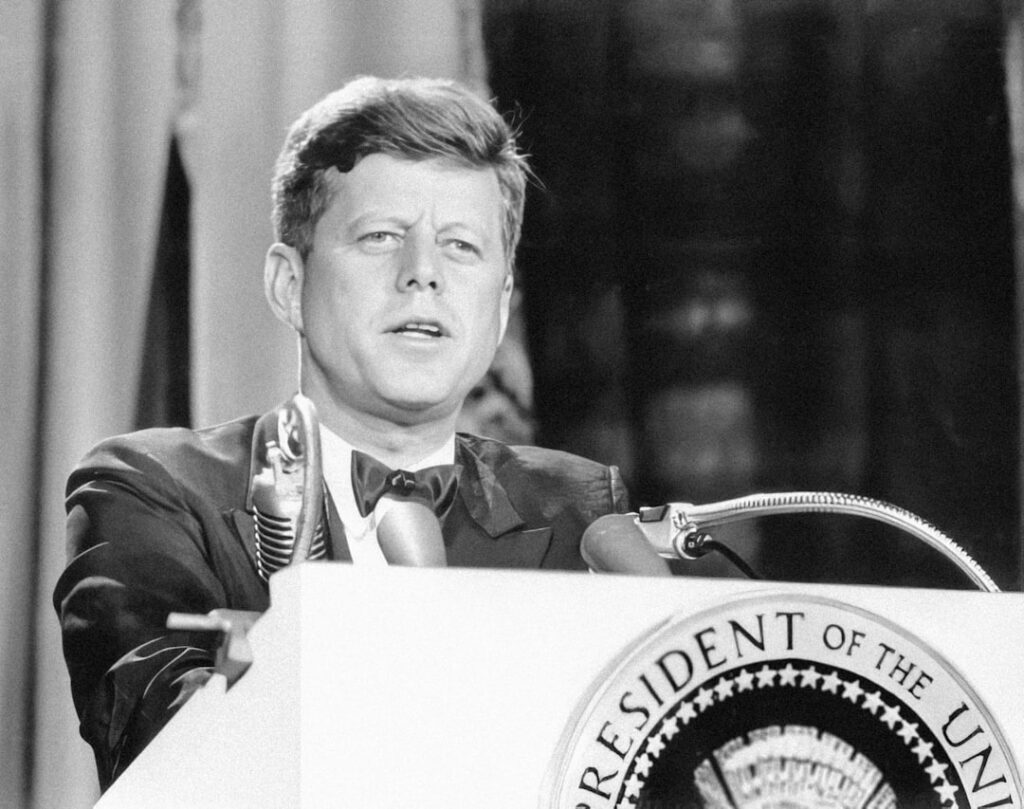
During his Paris stay, Kennedy famously remarked at a press conference at Palais Chaillot on June 2, 1961, that he was “the man who accompanied Jacqueline Kennedy to Paris,” acknowledging his wife’s triumph with French journalists and citizens. This self-effacing wit endeared him to Parisians who appreciated both his humility and his recognition of French sophistication.
The Kennedy visit to Paris in 1961 remains a significant moment in Franco-American relations, demonstrating how personal diplomacy and cultural appreciation could bridge challenging political divides during the Cold War era.
Tours & experiences in Paris


Powered by Viator. Some links are affiliate links — we may earn a small commission at no extra cost to you.