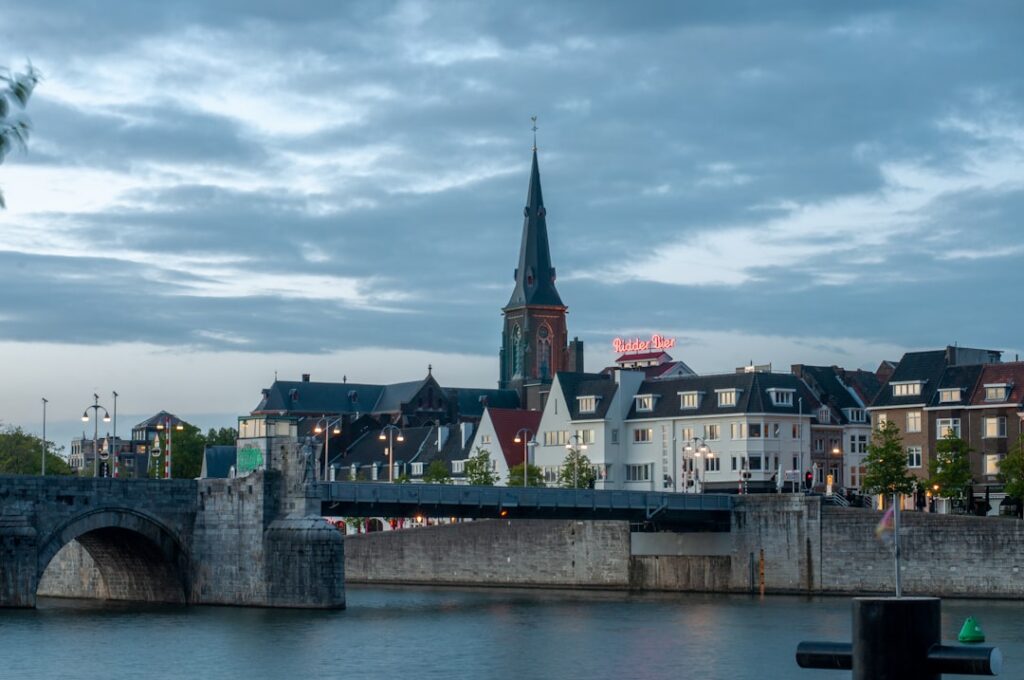
In February 1992, the elegant salons of the Gouvernement aan de Maas in the southern Dutch city of Maastricht became the stage for one of the most consequential moments in modern European history. There, representatives of twelve nations—including France—signed the Treaty on European Union, forever known as the Maastricht Treaty, which transformed the European Economic Community into the European Union and laid the groundwork for the euro.
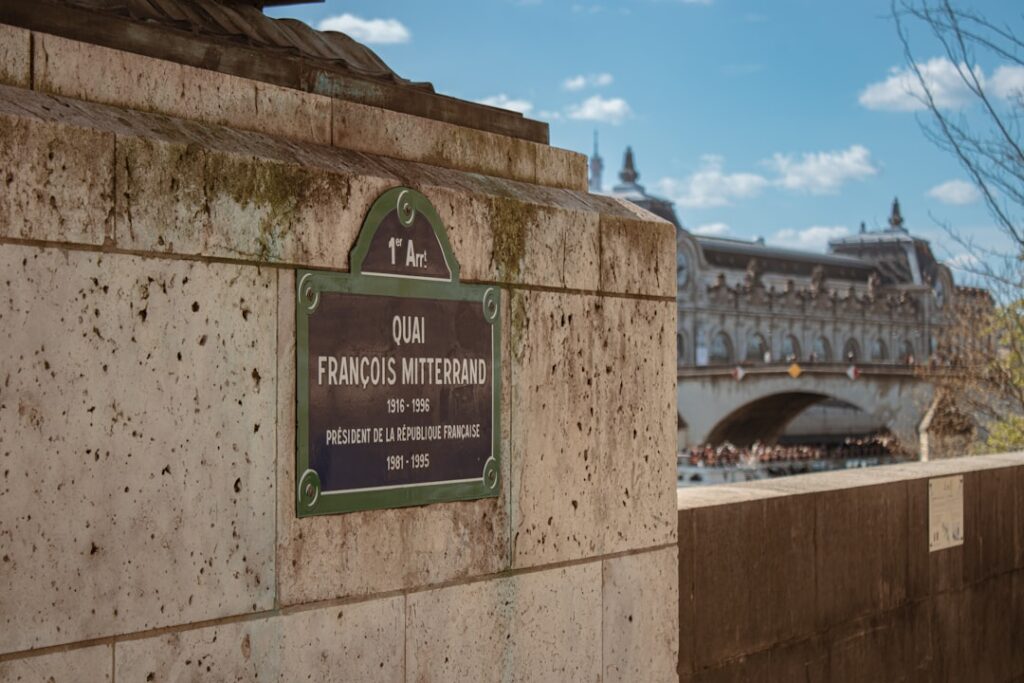
For Paris, Maastricht represented both triumph and compromise. French President François Mitterrand had long championed deeper European integration, viewing it as essential to France’s role in a post-Cold War world. The treaty embodied French ambitions for political union, a common currency that could rival the dollar, and a framework that would bind a newly reunified Germany to its European neighbors.
The French Vision Takes Shape
The path to Maastricht wound directly through Paris. In April 1990, Mitterrand and German Chancellor Helmut Kohl had jointly proposed accelerating European integration in a letter that became the blueprint for the treaty negotiations. French diplomats worked tirelessly in the months leading up to the signing, ensuring that the new European Central Bank would balance German monetary orthodoxy with French political sensibilities.
The treaty’s provisions reflected distinctly French priorities: the creation of European citizenship, the establishment of a Common Foreign and Security Policy, and crucially, the roadmap to monetary union. For France, the euro represented not just economic integration but a political project—a way to share sovereignty over monetary policy that Germany had dominated through the Deutsche Mark.
A Controversial Homecoming
When the treaty returned to Paris for ratification, it sparked fierce debate. The French referendum of September 1992 became a nail-biting affair, with the “oui” campaign prevailing by the narrowest of margins: 51.05% to 48.95%. The vote revealed deep divisions within French society about sovereignty, national identity, and France’s future in an increasingly integrated Europe.
Opponents argued that Maastricht would dilute French independence and subject the nation to unelected bureaucrats in Brussels. Supporters, including the major political parties, countered that France could only maintain its influence by leading from within a stronger European framework. The passionate campaign that consumed Paris and the entire country in summer 1992 foreshadowed debates about European integration that continue today.
The Legacy Lives On
More than three decades later, the connection between Paris and Maastricht remains embedded in daily life. Every time a Parisian pays with a euro note, the legacy of that 1992 treaty signing endures. The European Union headquarters in Brussels, the European Central Bank in Frankfurt, and the intricate web of European institutions all trace their modern form to decisions made in that Dutch city.
For visitors to the Netherlands today, Maastricht offers a chance to walk in the footsteps of history. The Gouvernement building where the treaty was signed still stands in the city’s historic center, a tangible reminder of when European leaders gathered to reimagine their continent’s future. The city’s unique position at the crossroads of Dutch, Belgian, and German cultures made it a fitting location for a treaty about transcending borders.
The Maastricht Treaty represented a peculiarly French approach to European integration—ambitious, political, and rooted in a vision of shared sovereignty as strength rather than weakness. Whether one views the treaty as a triumph or a turning point toward controversy, its signing in a medieval Dutch city fundamentally reshaped the relationship between Paris and its European neighbors, creating bonds of currency, citizenship, and common purpose that define the continent today.
Tours & experiences in Paris


Powered by Viator. Some links are affiliate links — we may earn a small commission at no extra cost to you.