
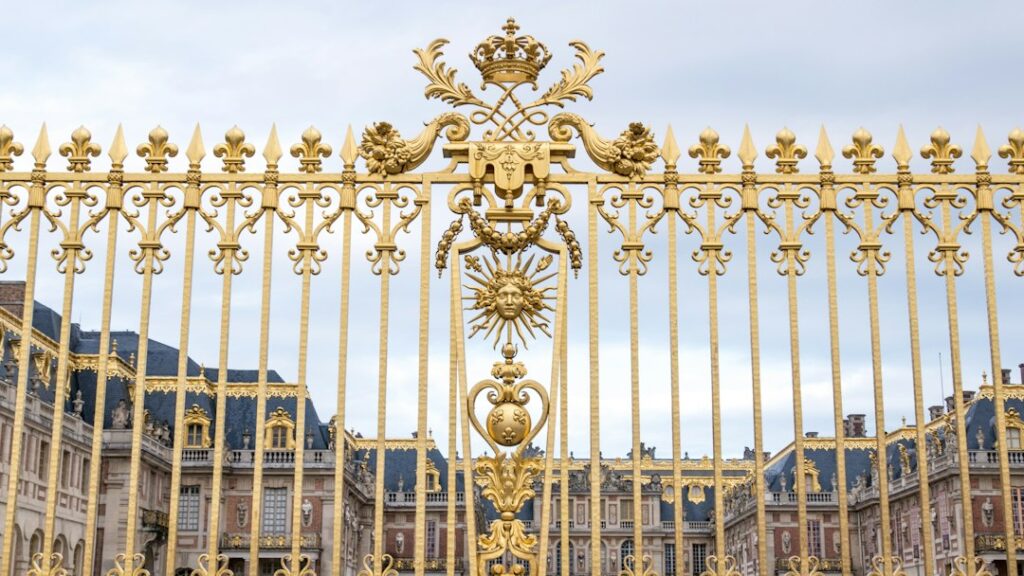
Versailles isn’t just a palace—it’s an entire world of gilded halls, manicured gardens, and hidden corners that deserve far more than a rushed three-hour visit. Located 12 miles southwest of Paris, this former seat of French royal power offers enough to fill a full day, and knowing where to go (and when) makes all the difference between fighting crowds and finding your own piece of 17th-century splendor.
The estate sprawls across 2,000 acres, with the palace itself containing more than 2,300 rooms. But don’t let the numbers intimidate you. With the right strategy, you’ll experience the best of Versailles without the overwhelm.
Getting There and Beating the Crowds
The RER C train from central Paris stations like Saint-Michel or Musée d’Orsay runs directly to Versailles Château Rive Gauche, taking about 40 minutes. Buy your return ticket immediately—the machines get swamped in the afternoon. Alternatively, the Versailles Palace and Gardens Tour from Paris handles all transportation and gets you past the security lines quickly.
The Paris most visitors miss
Our free 8-page PDF guide: 25 places, from Galerie Vivienne's 1880 mosaic floor to Canal Saint-Martin's locks, each linked to its official site.
Arrive before 9:00 a.m. on weekdays if you’re going solo, or consider Tuesday and Wednesday for the lightest crowds. The palace opens at 9:00 a.m. (gardens at 8:00 a.m.), and the first hour offers a completely different experience than midday, when tour groups clog the Hall of Mirrors. Skip Mondays entirely—it’s closed, and neighborhood restaurants often are too.
Buy tickets online in advance. The Passport ticket includes the palace, gardens, Trianon palaces, and Marie Antoinette’s Estate. From April through October, weekend fountain shows and musical garden days require a separate garden ticket, but they’re worth it for the choreographed fountains set to Baroque music.
The Palace: More Than Just Mirrors
Everyone rushes to the Hall of Mirrors, and yes, it’s spectacular—357 mirrors reflecting 17th-century grandeur across a 240-foot gallery. But linger in the King’s Grand Apartments first, especially the Salon of Apollo (the throne room) and the War Salon with its massive relief of Louis XIV on horseback. The Royal Chapel, where Louis XVI and Marie Antoinette were married, often gets overlooked in the stampede toward the more famous rooms.
The Queen’s Apartments tell a more intimate story. Marie Antoinette’s bedroom, where royal births were public spectacles, offers a stark reminder of the fishbowl existence of French queens. Look for the hidden door she escaped through during the Revolution—it’s easy to miss but powerfully evocative.
Audio guides are included and genuinely helpful, but don’t let them slow you down too much. Save detailed listening for rooms where you can step aside, not in bottleneck doorways.
The Gardens: Where Versailles Opens Up
After the palace’s intensity, the gardens feel like exhaling. André Le Nôtre’s masterpiece of landscape architecture stretches for miles, with geometric precision softening into romantic woodland at the edges. Most visitors stick to the main axis running from the palace to the Grand Canal, but the real discoveries happen when you veer off.
Rent a bike (available near the Grand Canal) or a golf cart to cover serious ground. The Colonnade Grove, tucked away in the northern gardens, features 32 violet marble columns in a circular clearing—it’s one of the most photographed spots but requires a 10-minute walk from the main path. The Ballroom Grove, with its tiered waterfall and shell decorations, feels like stumbling into a secret party.
Pack a picnic for the Grand Canal’s edge, where locals from Versailles spend Sunday afternoons. There’s a café, but a baguette, cheese, and wine from the morning market on Rue de la Paroisse (just outside the palace gates) tastes better and costs half as much.
The Trianon Palaces and Marie Antoinette’s Hamlet
The Grand Trianon and Petit Trianon, at the far end of the park, offer a completely different atmosphere—more intimate, less formal, and frankly more livable than the main palace. The Grand Trianon’s pink marble columns and single-story design made it Louis XIV’s escape from court ceremony. Napoleon later redecorated it in Empire style, and you can still see his billiard room.
Marie Antoinette’s Estate, including the Petit Trianon and her fantasy farm hamlet, reveals the queen’s attempt to create a private world away from Versailles’s suffocating etiquette. The hamlet, with its working farm and rustic cottages, looks like a movie set but was her genuine retreat. The chickens and sheep are still there, descendants of her original flock.
These areas close earlier than the main palace (usually 5:30 p.m.), so visit them in the afternoon if you’ve started your day early at the palace, or make them your first stop and work backward.
Practical Tips for a Better Visit
Wear comfortable shoes—you’ll walk miles, much of it on gravel paths. Bring water and snacks; on-site options are limited and overpriced. The palace has no cafeteria, just a café with long lines.
Restrooms are scarce inside the palace (there’s one near the Hall of Battles) but plentiful in the gardens. The cleanest ones are at the Grand Trianon.
Photography is allowed throughout without flash, but selfie sticks are banned. The best light in the Hall of Mirrors happens mid-morning when sun pours through the windows.
If you’re visiting in winter, the gardens lose their flowers but gain solitude. The palace’s heated rooms feel especially opulent when it’s cold outside, and you’ll have space to actually contemplate the art instead of shuffling through shoulder-to-shoulder.
Reserve a full day for Versailles—trying to squeeze it into a half-day leaves you rushed and frustrated. The estate deserves your time, and there’s genuine magic in staying long enough to watch the light change over the gardens as afternoon softens into evening.
Want more insider stories from Paris and beyond? Subscribe to the Love Paris newsletter—one short story a day about the city we love.
Heads up — some links in this article are affiliate links. If you sign up through them, we may earn a small commission at no extra cost to you. We only recommend tools we use ourselves.
Tours & experiences in Paris


Powered by Viator. Some links are affiliate links — we may earn a small commission at no extra cost to you.