
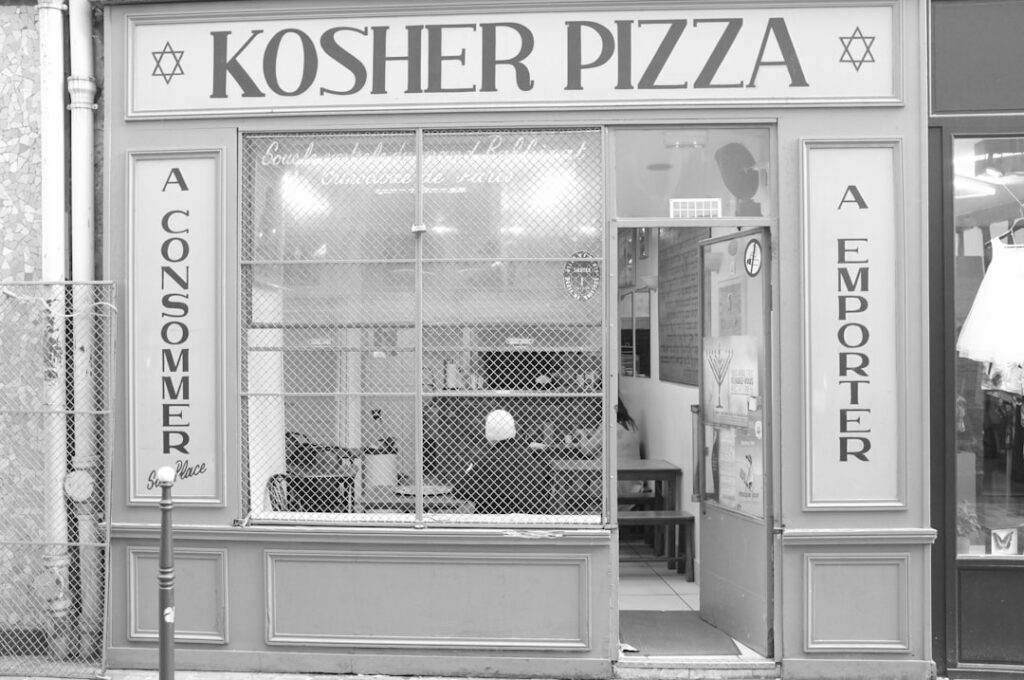
The Latin Quarter has been Paris‘s intellectual heart for over 800 years. Stretching across the 5th arrondissement from the Seine to the Luxembourg Gardens, this neighborhood of narrow medieval streets, historic universities, and legendary bookshops feels like stepping into another century — even as students from around the world crowd its cafés and squares.
The neighborhood earned its name in the Middle Ages, when Latin was the language of learning at the Sorbonne and other colleges. Today, that scholarly spirit lives on in every cobblestone street and café debate.
The Sorbonne and Academic Streets
The University of Paris-Sorbonne anchors the quarter at Place de la Sorbonne. Founded in 1257, the university’s current buildings date from the late 19th century, but walking these streets still feels like joining centuries of students who’ve debated philosophy over coffee. The baroque chapel dome is visible from rue des Écoles — worth a look even if you can’t go inside.
Walk rue de la Sorbonne down to Boulevard Saint-Michel, the quarter’s main artery known simply as “Boul’Mich” to locals. This wide boulevard divides the neighborhood, lined with bookstores, clothing shops, and student-friendly restaurants. The café terraces here are perfect for watching the quarter’s mix of tourists, students, and academics go by.
Rue Mouffetard, one of Paris’s oldest streets, climbs the hill from Place de la Contrescarpe. While its lower section gets crowded, the upper reaches near the Panthéon maintain an authentic neighborhood feel, with small grocers, wine shops, and locals doing their daily shopping.
Shakespeare and Company
No visit to the Latin Quarter is complete without Shakespeare and Company, the legendary English-language bookshop at 37 rue de la Bûcherie, facing Notre-Dame across the Seine. The current shop opened in 1951, named in honor of Sylvia Beach’s original store that published James Joyce’s Ulysses.
This isn’t just a bookshop — it’s a literary institution. Cramped reading nooks, creaking wooden floors, and floor-to-ceiling shelves create a maze where you can lose hours. The shop hosts readings and events most evenings, and travelers can still sleep among the books as “tumbleweeds” in exchange for a few hours of work, continuing a tradition from the 1950s.
Visit early on weekday mornings before the crowds arrive, or late afternoon when the light slants through the windows onto the poetry section upstairs. The tiny park between the shop and the Seine offers one of Paris’s best views of Notre-Dame.
Hidden Courtyards and Roman Ruins
The Latin Quarter reveals its best secrets to wanderers. Duck into the courtyard at 47 rue Monge to find the Arènes de Lutèce, a remarkably preserved Roman amphitheater from the 1st century. Locals play pétanque where gladiators once fought, and it’s one of the city’s most atmospheric picnic spots.
The Musée de Cluny’s medieval garden at 6 Place Paul Painlevé recreates a 15th-century enclosed garden — a peaceful retreat from the busy streets outside. Even if you’re not visiting the museum, you can glimpse the garden’s medicinal herbs and period plantings from the street.
For the quarter’s most magical street, find rue du Chat-qui-Pêche (Street of the Fishing Cat), running between rue de la Huchette and the quai. At just six feet wide, it’s Paris’s narrowest street, barely changed since the 13th century.
Where to Eat and Drink
The Latin Quarter offers everything from cheap student meals to bistro classics. Le Pré Verre at 8 rue Thénard serves inventive French cuisine with Asian influences — reserve ahead for dinner. For lunch, the daily menu is excellent value.
La Truffière at 4 rue Blainville is the neighborhood’s splurge option, serving truffle-focused dishes in a vaulted medieval cellar. In autumn and winter, the earthy aroma alone is worth the visit.
For an authentic student experience, join the line at L’Écurie at 58 rue de la Montagne Sainte-Geneviève. This hole-in-the-wall crêperie has fed generations of Sorbonne students with huge buckwheat galettes and proper Breton cider.
The wine bars along rue Descartes and rue de la Montagne Sainte-Geneviève fill with locals on weekday evenings. Les Pipos at 2 rue de l’École Polytechnique is a classic cave, unchanged for decades, with excellent natural wines by the glass.
Getting There and Practical Tips
Metro stations Cluny-La Sorbonne (line 10), Maubert-Mutualité (line 10), and Saint-Michel (lines 4 and RER B/C) all serve the Latin Quarter. The neighborhood is compact and best explored on foot — wear comfortable shoes for the cobblestones and hills.
Come on weekday mornings to see the quarter at its most authentic, when students fill the cafés and locals shop the small markets. Sunday mornings are quieter, with most university buildings closed but cafés and bookshops open.
The Latin Quarter connects naturally with the nearby islands — Île de la Cité and Île Saint-Louis are a five-minute walk across the Seine. The Panthéon and Luxembourg Gardens mark the neighborhood’s southern edge.
Want more insider perspectives on Paris’s neighborhoods, markets, and hidden corners? Subscribe to the Love Paris newsletter — one short story about the city, delivered to your inbox each day.
Tours & experiences in Paris


Powered by Viator. Some links are affiliate links — we may earn a small commission at no extra cost to you.