
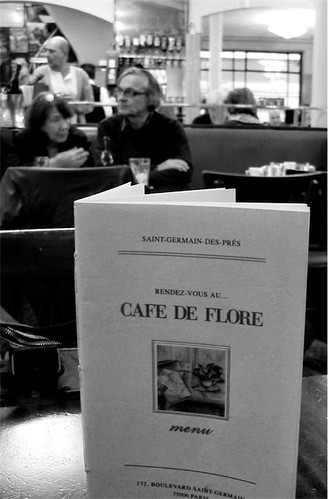
Walk through certain arrondissements of Paris today and you’re tracing the footsteps of one of the capital’s most influential immigrant communities: the Auvergnats. For more than two centuries, people from the mountainous Auvergne region migrated to Paris in waves, transforming the city’s café culture and leaving an indelible mark on its social fabric.
While some Auvergnats arrived in Paris as early as the 1750s, the migration intensified dramatically in the mid-19th century, when poor farmers and labourers from the volcanic highlands of central France sought economic opportunity in the capital. By the 19th century, Auvergnats dominated specific trades in Paris, particularly the coal and wood business. They became known as bougnats—a term derived from charbougnat (coal merchant)—and established small cafés and bistros that doubled as coal depots.
The Bougnat Cafés
These establishments became neighbourhood institutions. The typical bougnat café was a modest affair: a zinc-topped bar, simple food, cheap wine, and a coal merchant’s business in the back or basement. Auvergnats leveraged family and village networks to establish themselves, often hiring compatriots and marrying within the community. The Auvergnat presence in Paris’s café trade became substantial during the 19th and early 20th centuries.

The 11th arrondissement and the Bastille area became particularly associated with the Auvergnat community, though their influence spread throughout the city. These weren’t elegant Belle Époque establishments—they were working-class cafés serving workers, artisans, and the Auvergnat community itself. Many retained strong ties to their home villages, and the French surnames of Auvergne became familiar across Parisian neighbourhoods.
Cultural Legacy
The Auvergnats brought more than business acumen to Paris. They introduced regional foods—lentils from Le Puy, Saint-Nectaire and Cantal cheeses, aligot (a rich potato and cheese dish), and tripoux (stuffed tripe parcels). Many traditional Parisian bistros still serve these Auvergnat specialties today, though few diners realize their regional origins.
The community maintained its identity through mutual aid societies and regional associations. The Ligue Auvergnate, founded in 1886, helped maintain connections between Parisian Auvergnats and their ancestral homeland.
Decline and Transformation
The bougnat era began to fade after World War II. Central heating replaced coal delivery, supermarkets challenged small merchants, and the children and grandchildren of Auvergnat immigrants pursued different careers. Many sold their cafés to new immigrant communities, particularly North Africans and Portuguese, who continued the tradition of the neighbourhood café under new management.
Yet traces remain. Rue de la Gaîté in Montparnasse, once thick with Auvergnat-owned establishments, still has cafés that remember their origins. The Restaurant Ambassade d’Auvergne in the Marais, founded in 1966, continues to serve regional cuisine. And throughout Paris, bistros with zinc bars and simple menus echo the template established by those coal merchants from the Massif Central.
The Auvergnat story is a quintessentially Parisian one: rural migrants arriving with little, building success through hard work and community solidarity, and ultimately becoming woven into the fabric of the city itself. Their descendants are now simply Parisians, but the cafés, the cuisine, and the surnames remain as testament to Auvergne’s profound influence on the capital.
Tours & experiences in Paris


Powered by Viator. Some links are affiliate links — we may earn a small commission at no extra cost to you.