
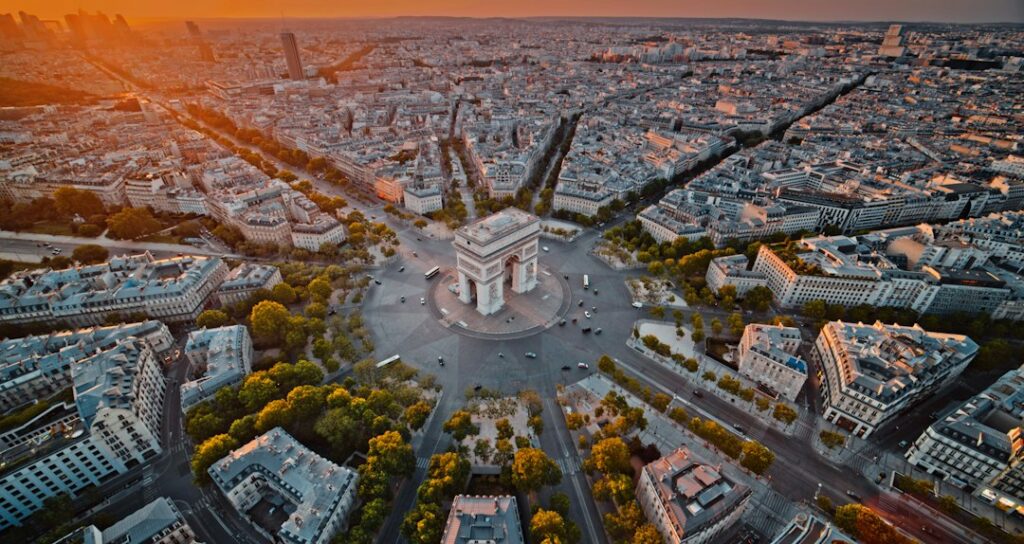
In June 1940, as German forces entered Paris, the City of Light fell silent. Across the Channel, London would face its own ordeal during the Blitz—a bombing campaign that tested British resolve. Though their experiences differed profoundly, these two great capitals endured the darkest chapter of World War II in ways that would link their histories.
Paris was declared an open city on June 12, 1940, and German forces entered on June 14, sparing it from the aerial devastation that would later ravage London. The French government chose not to defend the capital militarily, preventing the destruction that had befallen cities like Warsaw. Instead, Parisians faced four years of occupation—a different kind of suffering marked by rationing, curfews, and the constant presence of German troops on the Champs-Élysées.
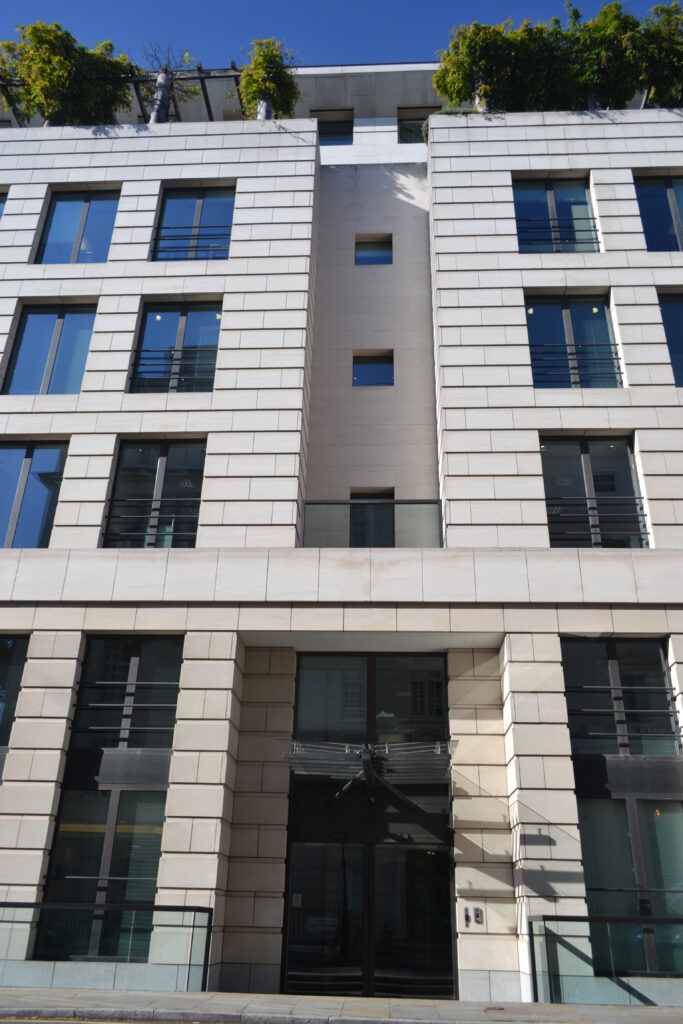
When London’s Blitz began on September 7, 1940, Parisians listened to BBC radio broadcasts in secret, following the nightly reports of destruction. The bombing campaign that would kill over 40,000 British civilians became a symbol of resistance for occupied France. In clandestine meetings across Paris, resistance networks drew inspiration from London’s refusal to surrender, even as their own city remained eerily intact but enslaved.
Two Cities, Two Strategies
The contrast was stark. While Londoners descended into Underground stations each night for shelter, Parisians navigated streets patrolled by Wehrmacht soldiers. The Métro became not a bomb shelter but a space where resistance fighters distributed illegal newspapers and planned sabotage operations. Both cities’ underground networks became symbols of survival, though in vastly different ways.
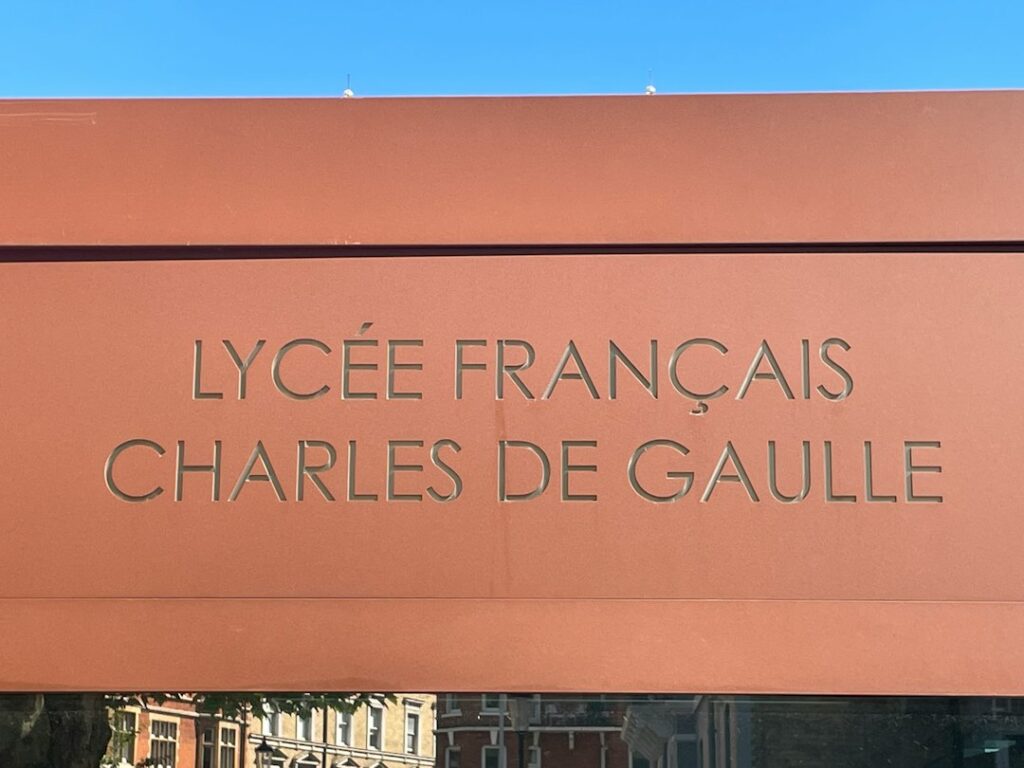
General Charles de Gaulle, broadcasting from London during the war, became the voice of Free France. His famous June 18, 1940 appeal—delivered just days after Paris fell—was heard by few Parisians initially, but its message spread through whispered conversations in cafés and copied transcripts passed hand to hand. De Gaulle’s presence in London created a profound symbolic link between the two capitals.
The Liberation Connection
When Paris was finally liberated on August 25, 1944, the first Allied troops to enter included the French 2nd Armored Division, which had been equipped in Britain. Many of its soldiers had escaped occupied France through dangerous Channel crossings, finding refuge in London before returning as liberators. The division had been formed from veterans of the North African campaign and reorganized in 1943 before being shipped to Britain in April 1944.
Today, memorials in both cities honor this connection. Carlton Gardens in London—headquarters of the Free French forces—bears a plaque commemorating the bond forged during wartime. The Occupation and the Blitz represent two different faces of the same war, two capitals that survived through different forms of courage.
Walking through Paris today, past buildings that bear no bomb scars but carry the weight of occupation, one can appreciate the parallel resilience. London burned but stood defiant; Paris endured in silence but never surrendered its spirit. Both cities emerged from World War II transformed, their wartime experiences forever intertwining their histories in the collective memory of Europe’s darkest hour.
Tours & experiences in Paris


Powered by Viator. Some links are affiliate links — we may earn a small commission at no extra cost to you.