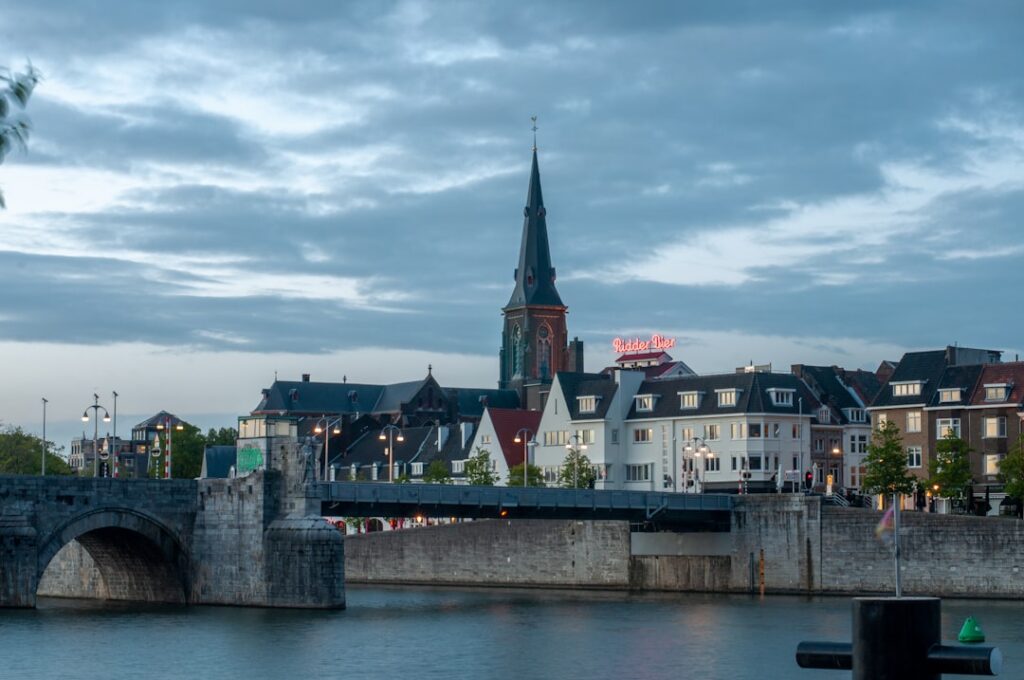
On a cold February day in 1992, the foreign ministers of twelve European nations gathered in a historic Dutch city to sign one of the most consequential documents in modern European history. The Treaty on European Union, signed in Maastricht, fundamentally transformed the European project and created the framework for the single currency that millions of Europeans—including Parisians—use every day.
The choice of Maastricht as the signing location was deliberate. This southern Dutch city, with its centuries of cross-border heritage and multilingual character, embodied the European ideal of unity in diversity. For France, and particularly for Paris as the seat of government, the Maastricht Treaty represented a pivotal moment in post-war diplomacy.
France’s Central Role in the Treaty
French President François Mitterrand was one of the treaty’s principal architects. Working closely with German Chancellor Helmut Kohl, Mitterrand saw the treaty as a way to bind a newly reunified Germany into a stronger European framework while advancing French interests in monetary union. The negotiations leading up to the Maastricht summit involved intense diplomatic work from the Élysée Palace, with French officials shuttling between Paris and various European capitals throughout 1991.
The treaty established the European Union as we know it today, replacing the European Economic Community with a more integrated political and economic union. Most significantly for France, it laid the groundwork for the euro, which would eventually replace the franc in 2002.
A Controversial Moment in French History
The Maastricht Treaty sparked fierce debate in France. In September 1992, French citizens were called to vote in a referendum on ratifying the treaty. The campaign divided the nation, with passionate arguments on both sides filling the streets of Paris and cities across France. Supporters argued that European integration would secure peace and prosperity; opponents feared loss of sovereignty and national identity.
The referendum passed by the narrowest of margins—just 51.05% voted ‘yes.’ The close result revealed deep ambivalence among the French public about European integration, a tension that continues to shape French politics today. In Paris, the vote split along familiar political and geographical lines, with different arrondissements showing markedly different levels of support.
The Legacy for Paris
The Maastricht Treaty’s impact on daily life in Paris has been profound. The euro, born from the treaty’s provisions, simplified travel and commerce across Europe. The Schengen Agreement’s incorporation into the EU framework has made border-free travel routine for Parisians heading to Amsterdam, Brussels, or indeed Maastricht itself.
The treaty also strengthened Paris’s role as a European capital. French became one of the official working languages of the expanded EU institutions, and Paris-based organizations gained new importance in the European framework. The city’s financial sector adapted to the coming monetary union, preparing for the eventual transition from francs to euros.
Today, visitors to Maastricht can see the Gouvernement aan de Maas, the provincial government building where the historic signing took place. For anyone interested in understanding modern Europe’s foundations—and France’s central role in shaping them—a visit to this modest Dutch city offers unexpected insights into decisions made in Paris that changed the continent forever.
Tours & experiences in Paris


Powered by Viator. Some links are affiliate links — we may earn a small commission at no extra cost to you.