
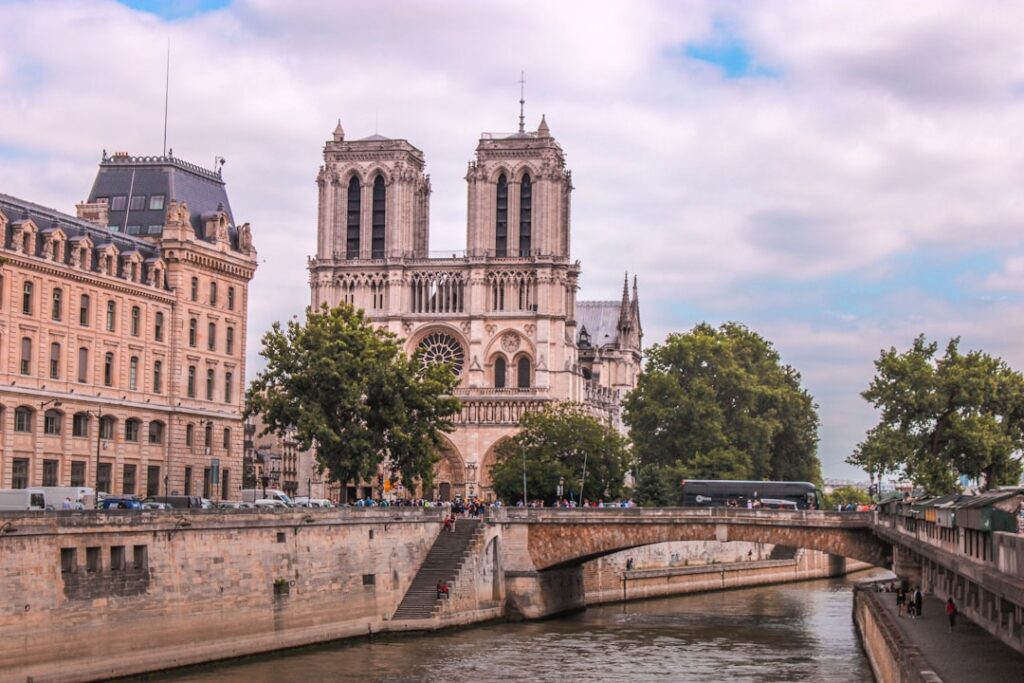
The streets of Paris became home to Scottish Jacobite exiles in the 18th century, as hundreds of political refugees sought sanctuary in France following their failed attempts to restore the Stuart monarchy. Among these exiles were Highlanders from various clans who found themselves far from their native glens after the collapse of the 1745 rising.
The connection between Paris and Scotland’s Jacobite cause runs deep through the city’s history. After the defeat at Culloden in 1746, Highland chiefs and their followers fled to France, where the French monarchy—long an ally of the Stuart cause—offered sanctuary. The Stuart court in exile was based at Saint-Germain-en-Laye, west of Paris.
The Scots College and Jacobite Paris
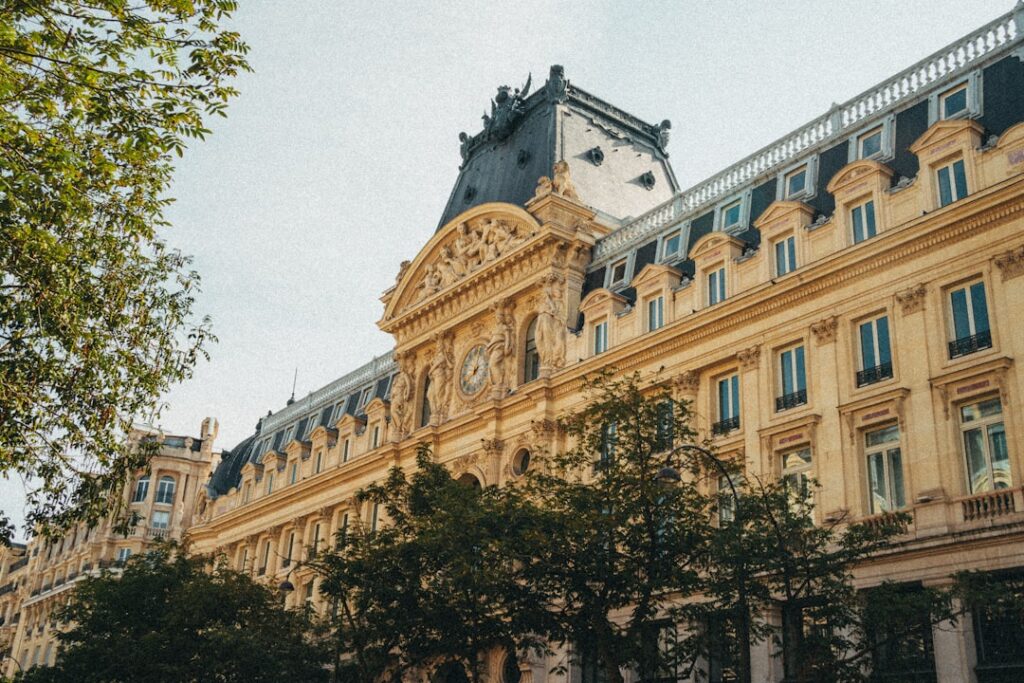
The focal point of Scottish exile life in Paris was the Collège des Écossais, or Scots College, located in the Latin Quarter. Founded in 1333, this institution became a gathering place for displaced Scots throughout the 18th century. Jacobite families would meet here to preserve their language, customs, and hopes of eventual return to Scotland.
Some Jacobite exiles entered French military service, joining the Régiment Royal-Écossais and other Scottish units in the French army. These regiments maintained Highland dress and traditions even on foreign soil, creating small islands of Scottish culture within Paris.

MacPherson Connections to France
Among the documented Jacobite exiles was Ewen MacPherson of Cluny, chief of Clan MacPherson. After hiding in the Highlands for years following Culloden, he eventually escaped to France where he served in the Royal-Écossais regiment. Today, researchers exploring the Scottish surnames of Clan MacPherson and other Jacobite families can find records in Parisian archives.
The Archives Nationales de France holds naturalization papers, military service records, and property documents bearing Scottish names—evidence of the Jacobite diaspora that settled in France after 1746.
From the Highlands to the Seine
The contrast between the rugged Highlands and urban Paris must have been jarring for these exiles. Men who had known the freedom of the glens found themselves navigating the formal courts and the crowded streets of pre-revolutionary Paris. Yet they adapted, establishing businesses, marrying into French families, and gradually becoming part of the fabric of Parisian society while never quite forgetting their Highland heritage.
The story of the Jacobite exiles in Paris represents a lesser-known chapter of both Scottish and French history—a reminder that the Jacobite cause was not merely a Scottish affair but an international movement that reshaped lives across Europe. Walking through the Latin Quarter today, few visitors realize they’re treading the same stones once walked by Scottish exiles far from home, keeping alive their traditions in the shadow of Notre-Dame.
Tours & experiences in Paris


Powered by Viator. Some links are affiliate links — we may earn a small commission at no extra cost to you.