Atop the Brandenburg Gate in Berlin stands one of Germany’s most iconic symbols: the Quadriga, a copper sculpture of the goddess Victoria driving a chariot pulled by four horses. What many visitors to Paris may not realize is that this magnificent sculpture once graced the French capital as a spoil of war, taken by Napoleon Bonaparte in 1806 after his decisive victory over Prussia.
Following the Battle of Jena-Auerstedt, Napoleon’s forces occupied Berlin and the French Emperor ordered the Quadriga removed from its perch atop the Brandenburg Gate. The sculpture was dismantled, packed into twelve crates, and transported to Paris as a trophy of conquest. Napoleon intended to display it as a symbol of French military supremacy and his domination over the Prussian kingdom.
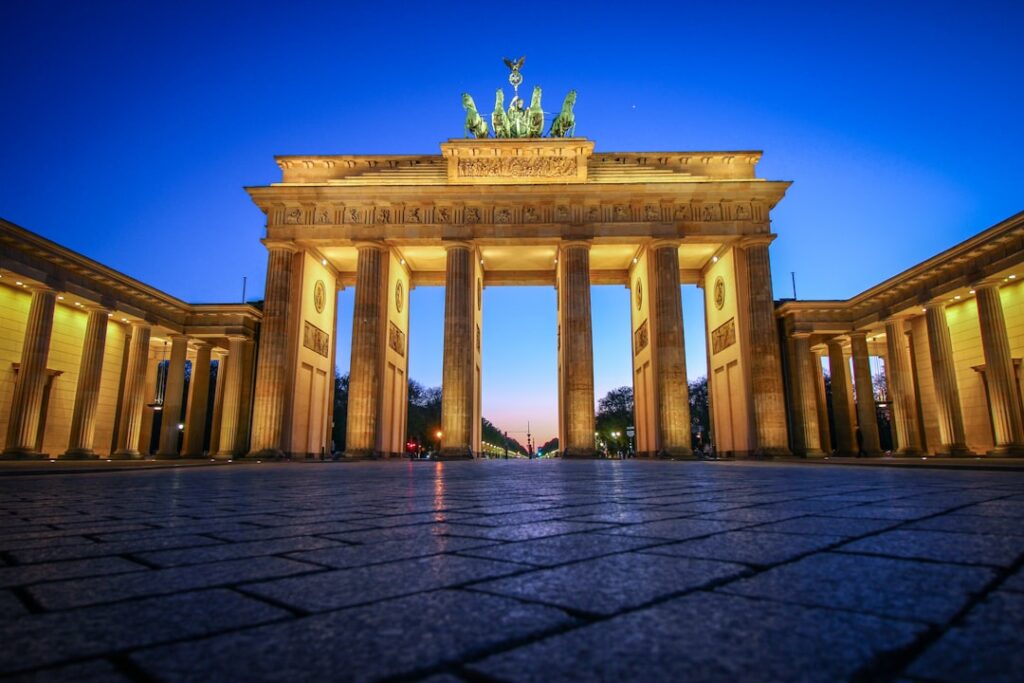
The Quadriga remained in Paris for eight years, a constant reminder of Prussian humiliation. But history has a way of reversing fortunes. After Napoleon’s defeat and abdication in 1814, Prussian forces entered Paris as part of the victorious coalition. Field Marshal Blücher led the discovery and transport of the stolen sculpture, with General Ernst von Pfuel overseeing the overall recovery operation. The Quadriga was carefully dismantled once again and made the long journey back to its rightful home atop the Brandenburg Gate.
Upon its return to Berlin, the sculpture was modified with new nationalistic additions. The architect Karl Friedrich Schinkel designed an iron cross and a Prussian eagle to be added to Victoria’s staff, transforming it into a symbol of Prussian victory over France. The goddess was no longer just a classical figure but a representation of German triumph and resilience. This addition gave the sculpture a distinctly nationalistic character that it retains to this day.
The story of the Quadriga is just one example of the complex cultural exchanges—both voluntary and forced—that have occurred between Paris and Berlin over the centuries. During the Napoleonic Wars, countless artworks and cultural treasures were relocated from conquered territories to Paris, turning the French capital into a vast repository of European art. Many of these works eventually found their way back to their places of origin, while others remained in French collections, now housed in institutions like the Louvre.
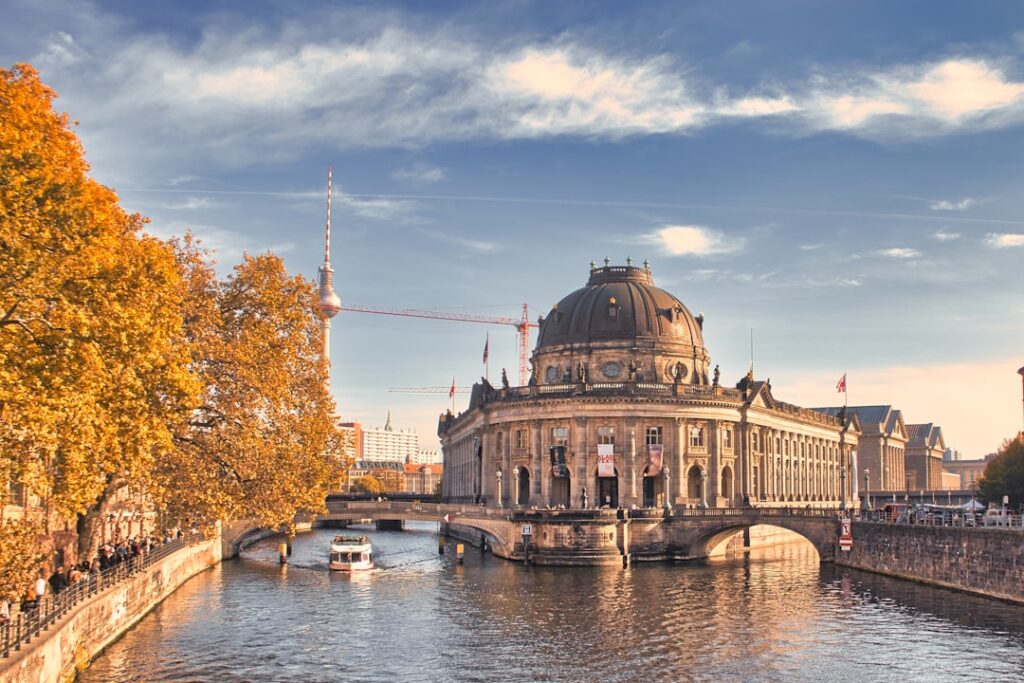
Today, visitors to Berlin’s Museum Island can explore world-class collections that rival those of Paris, including the famous Pergamon Altar and the bust of Nefertiti. The cultural relationship between the two capitals has evolved from one of military conquest to peaceful exchange and cooperation. Both cities now celebrate their rich artistic heritage and maintain active cultural partnerships.
The Brandenburg Gate, with its restored Quadriga, stands as a powerful reminder of this tumultuous history. When Parisians visit Berlin, they’re not just seeing a foreign capital—they’re encountering a city whose most famous monument once briefly resided in their own city, a tangible link between two great European capitals whose destinies have been intertwined for centuries.
Tours & experiences in Paris


Powered by Viator. Some links are affiliate links — we may earn a small commission at no extra cost to you.