
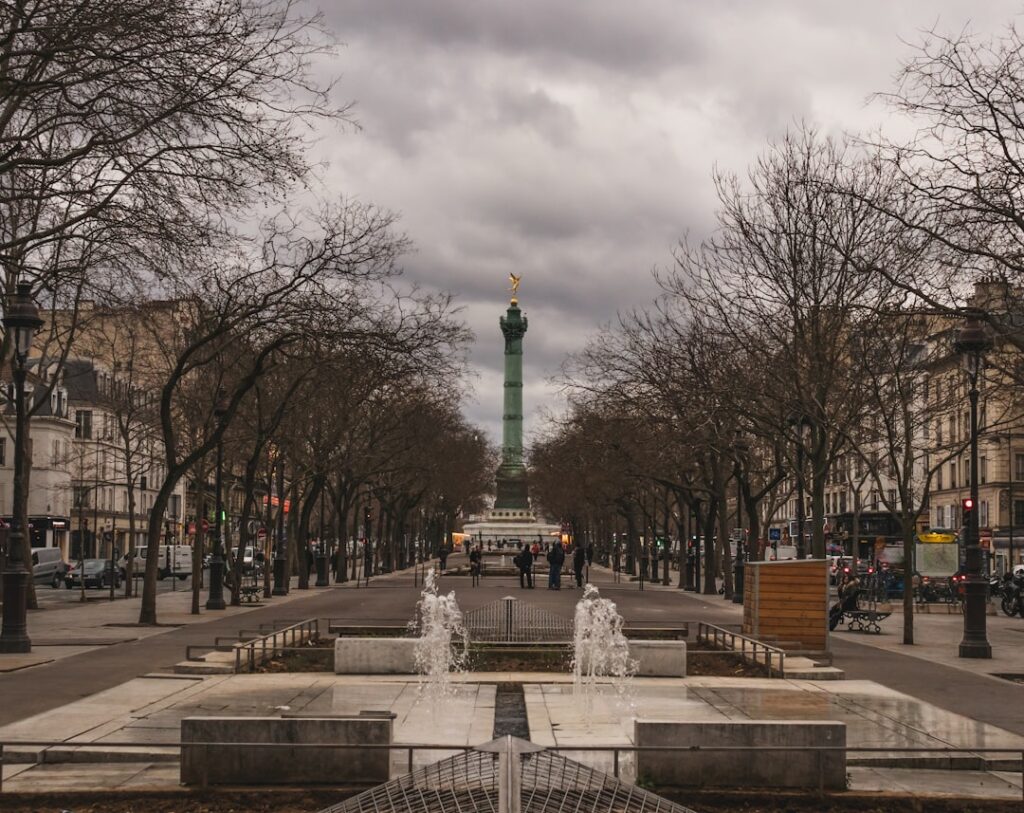
Every Thursday and Sunday morning, Boulevard Richard-Lenoir transforms into a kilometer-long feast for the senses. Marché Bastille, Paris’s largest open-air market, sprawls beneath the plane trees between Place de la Bastille and Rue Saint-Sabin, drawing locals from across the 11th arrondissement and beyond. This is where Parisians come to fill their wicker baskets with seasonal produce, artisanal cheeses, fresh oysters, and flowers still dewy from the morning cut.
Unlike the more compact neighborhood markets scattered throughout Paris, Marché Bastille operates on a grand scale. More than 100 vendors set up their stalls along the tree-lined boulevard, creating a rhythm of color, scent, and sound that defines Parisian market culture at its most authentic.
What You’ll Find at the Market
The market divides naturally into sections. At the Bastille end, you’ll find produce vendors piling heirloom tomatoes, asparagus, and whatever else is in season into perfect pyramids. In summer, look for Charentais melons from the Loire Valley and fraises des bois that perfume the air. Come autumn, mushroom vendors appear with crates of girolles, cèpes, and trompettes de la mort.
The middle stretch belongs to the fromagers and charcutiers. Watch vendors cut precise wedges from massive wheels of Comté aged 24 months or longer, and ask for tastes of soft chèvre from small Loire producers. The charcuterie stalls offer everything from jambon de Bayonne to house-made pâtés and terrines wrapped in cloth.
Fishmongers near the center display whole sea bass and daurade on beds of crushed ice, along with oysters from Brittany and Normandy that they’ll shuck while you wait. On Sunday mornings especially, locals queue for a dozen to take home for lunch.
The far end, toward Rue Saint-Sabin, hosts the flower vendors, rotisserie chicken stands turning birds over open flames, and stalls selling olives, spices, and North African specialties that reflect the neighborhood’s diversity.
When to Visit and What to Bring
The market runs Thursday from 7 a.m. to 2:30 p.m. and Sunday from 7 a.m. to 3 p.m., but these times are flexible. Vendors begin setting up around 6 a.m., and the most serious shoppers arrive early for first pick of the best produce. By 8:30 a.m., the market hits its stride—busy but still navigable.
Sunday is the bigger market day, with more vendors and a more festive atmosphere. Families come to shop and then stop at nearby cafés for coffee and croissants. Thursday tends to be quieter, preferred by locals who want to avoid the weekend crowds.
Bring cash—many vendors don’t accept cards, though this is slowly changing. A sturdy shopping bag is essential; the thin plastic sacks some vendors provide won’t survive the walk home. If you’re staying in an apartment, this is where you’ll shop like a Parisian, selecting ingredients for that evening’s dinner.
How to Shop Like a Local
Parisians develop relationships with their market vendors, returning to the same cheese seller or produce stand week after week. Don’t hesitate to ask questions—vendors expect it and often offer samples. When buying cheese, tell the fromager when you plan to eat it; they’ll select pieces at the perfect ripeness.
For produce, let the vendor select your fruits and vegetables unless you’re invited to choose. This isn’t standoffishness—it’s how the system works, and vendors take pride in picking the best pieces. A simple “Bonjour” before placing your order and “Merci, bonne journée” when you leave goes a long way.
Watch what locals buy and how much. Parisians typically shop for a day or two at a time, not a full week, choosing ingredients at their peak rather than buying everything at once.
Making the Most of Your Visit
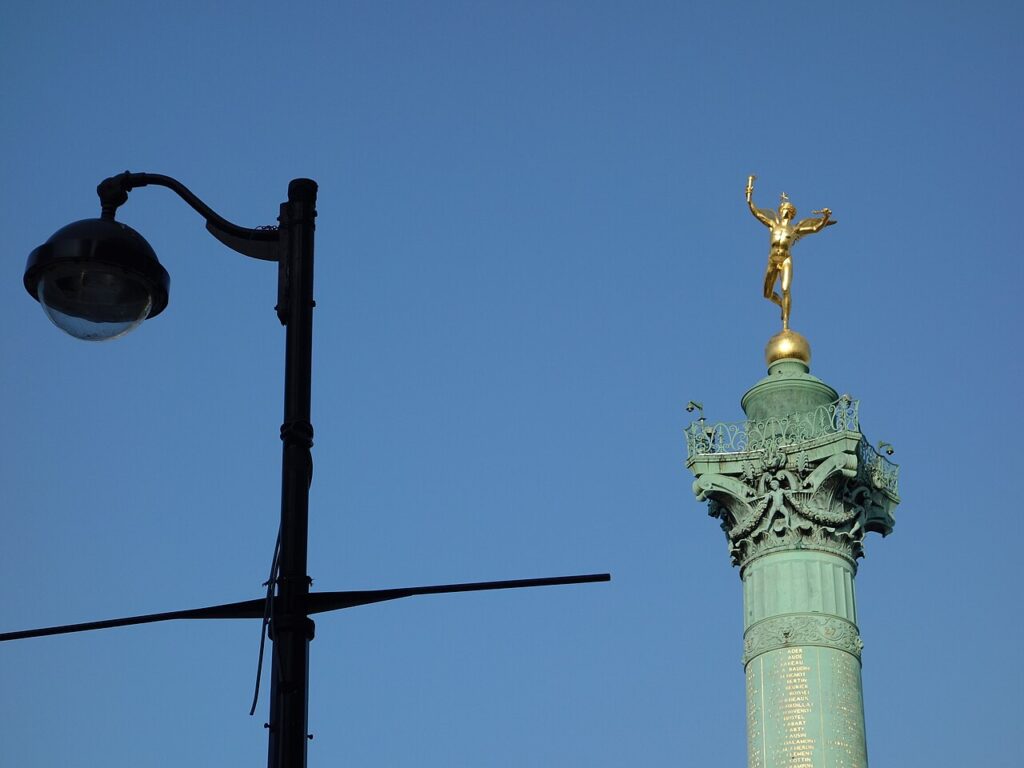
After shopping, walk south down Boulevard Richard-Lenoir toward Place de la Bastille. The square itself offers views of the July Column and easy access to the Marais or Rue de Lappe’s cafés and bistros. Or head north toward République, stopping for coffee at one of the cafés along Rue Oberkampf.
If you’re picnic-minded, grab a rotisserie chicken, some cheese, a baguette from the bread vendor, and fruit, then head to Canal Saint-Martin, a fifteen-minute walk north. The canal’s tree-shaded quays make a perfect spot for an impromptu market lunch.
The market sits directly above the Bastille metro station (lines 1, 5, and 8), making it easily accessible from anywhere in Paris. From central Paris, take line 1 from Concorde or Châtelet; the ride takes less than ten minutes.
Marché Bastille isn’t a tourist attraction—it’s a working market where Parisians provision their kitchens. That’s exactly what makes it essential. You’ll leave with more than ingredients; you’ll understand the rhythm of daily Parisian life, measured in market days and seasonal produce.
Want more insider guides to Paris’s markets, neighborhoods, and hidden corners? Subscribe to the Love Paris newsletter and get one short story about the city delivered to your inbox every day.
Tours & experiences in Paris


Powered by Viator. Some links are affiliate links — we may earn a small commission at no extra cost to you.