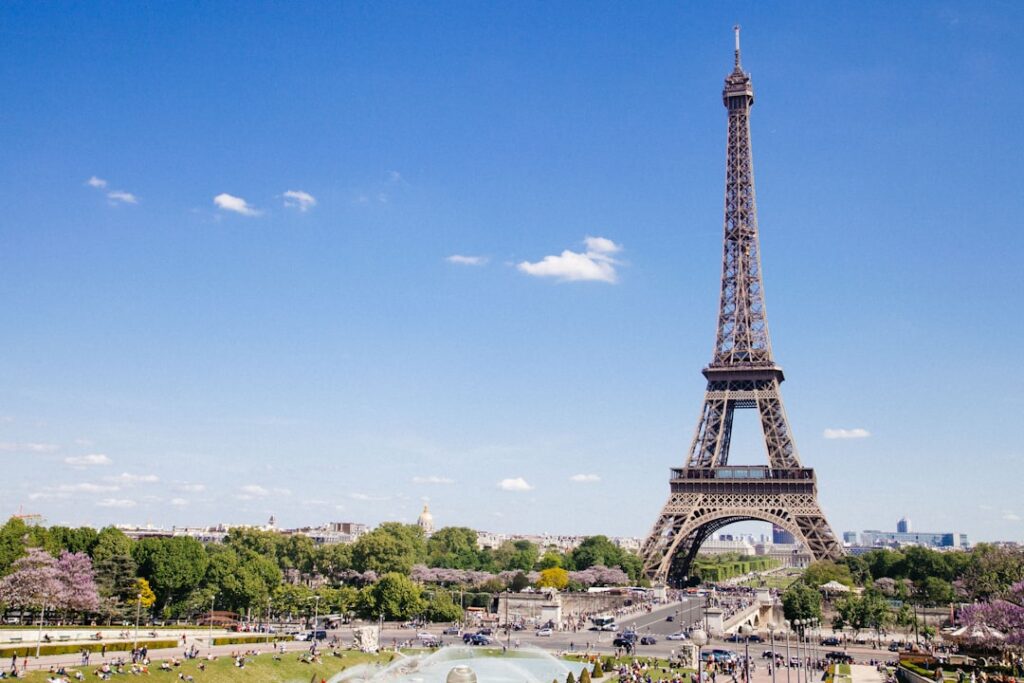
The Eiffel Tower draws nearly seven million visitors each year, and for good reason. Gustave Eiffel’s 1889 engineering marvel remains the defining symbol of Paris. But a great visit requires planning. Long lines, closed levels, and weather can turn a dream into frustration if you arrive unprepared.
Here’s how to experience the tower like someone who knows Paris beyond the postcards.
Which Level Should You Visit?
The Eiffel Tower has three levels, and each offers something different. The second level, at 115 meters, gives you the best views for photography. You’re high enough to see the entire city layout—the Seine snaking past Notre-Dame, the Arc de Triomphe anchoring the Champs-Élysées, Sacré-Cœur crowning Montmartre—but still close enough to pick out details.
The summit, at 276 meters, feels more like an accomplishment than a viewpoint. The perspective shifts from seeing Paris to seeing beyond Paris, with the suburbs stretching to the horizon. On clear days, you can see 70 kilometers. But the summit can close in high winds, and the final elevator queue adds time.
The first level, often overlooked, has been redesigned with glass floors, a small museum about the tower’s history, and far fewer crowds. If you want space to breathe and appreciate the ironwork up close, start here.
Beating the Crowds: When to Go
The tower opens at 9:30 a.m., and the first slot fills with early risers who booked online. If you’re visiting in summer, this is your window. By 11 a.m., lines stretch across the Champ de Mars. Mid-afternoon sees another surge as tour groups arrive.
The smartest move? Evening visits. Book a slot for 7 p.m. or later. You’ll see Paris in daylight, watch the sunset paint the city gold, and stay for the hourly light show that begins at dusk. The tower sparkles for five minutes every hour after dark—thousands of bulbs turning the iron lattice into something magical. The last sparkling happens at 1 a.m., but the final elevator up leaves at 11:45 p.m. in summer, earlier in winter.
Winter visits mean shorter lines but also mean bundling up—it’s an open-air experience, and wind at 115 meters cuts through everything. Spring and fall offer the best compromise: mild weather, manageable crowds, and long daylight hours.
Tickets: Book Ahead or Risk the Stairs
Tickets go on sale 60 days in advance on the official Eiffel Tower website, and elevator slots for popular times sell out within hours. If you’re visiting in July or August, book the moment your dates open up.
Miss the elevator window? You can still climb. Tickets for the stairs to the second level are sold on-site and rarely sell out. It’s 674 steps, but the pace is yours, the views shift with every flight, and you’ll pass through the ironwork instead of just looking at it. You can take the elevator from the second level to the summit if you want the full experience. The stairs close in bad weather and at night.
Skip-the-line tours bundle access with context. Some include a Seine cruise or access to other landmarks, which can make sense if you’re trying to see several sights in one day.
Getting There and Where to Stand
The closest métro stop is Bir-Hakeim on Line 6, which brings you across the Pont de Bir-Hakeim with the tower framed ahead—one of the best approach views in the city. Trocadéro (lines 6 and 9) puts you at the esplanade across the river, perfect for photos before you walk down to the tower itself. Champ de Mars-Tour Eiffel on the RER C drops you at the park’s southeast corner.
For the iconic shot of the tower through the Trocadéro fountains, go early before the crowds gather, or at sunrise when the light is soft and the plaza is nearly empty.
Once you’re up, bring a map or download one to your phone. The second level has orientation panels, but knowing which direction to face for specific landmarks makes a difference. Look northwest for the Arc de Triomphe, northeast for Montmartre, south across the Seine for the golden dome of Les Invalides, and east for the Louvre and Notre-Dame.
What to Know Before You Go
Security screening applies to everyone—bag checks and metal detectors add 15 to 30 minutes even with a timed ticket. Leave large bags at your hotel. Bring a light jacket even in summer; it’s always cooler and windier at the top than on the ground.
The tower has a champagne bar on the summit and a restaurant, Madame Brasserie, on the first level, but neither is necessary unless you’re planning a special meal. You’re better off saving your appetite for a bistro in the 7th arrondissement after you descend.
Rain doesn’t close the tower, but it does make the experience less enjoyable. If the forecast looks grim, consider rescheduling—views through fog or heavy rain just aren’t worth the wait.
The Eiffel Tower is more than a monument. It’s the moment Paris shifts from a place you’ve read about to a place you’re standing in. Plan it right, and it’s everything you hoped. Rush it or arrive unprepared, and you’ll spend more time in line than looking out over the city.
Want one great Paris story in your inbox every day? Subscribe to the Love Paris newsletter and get the city’s best-kept secrets, insider tips, and hidden corners delivered each morning.
Tours & experiences in Paris


Powered by Viator. Some links are affiliate links — we may earn a small commission at no extra cost to you.