
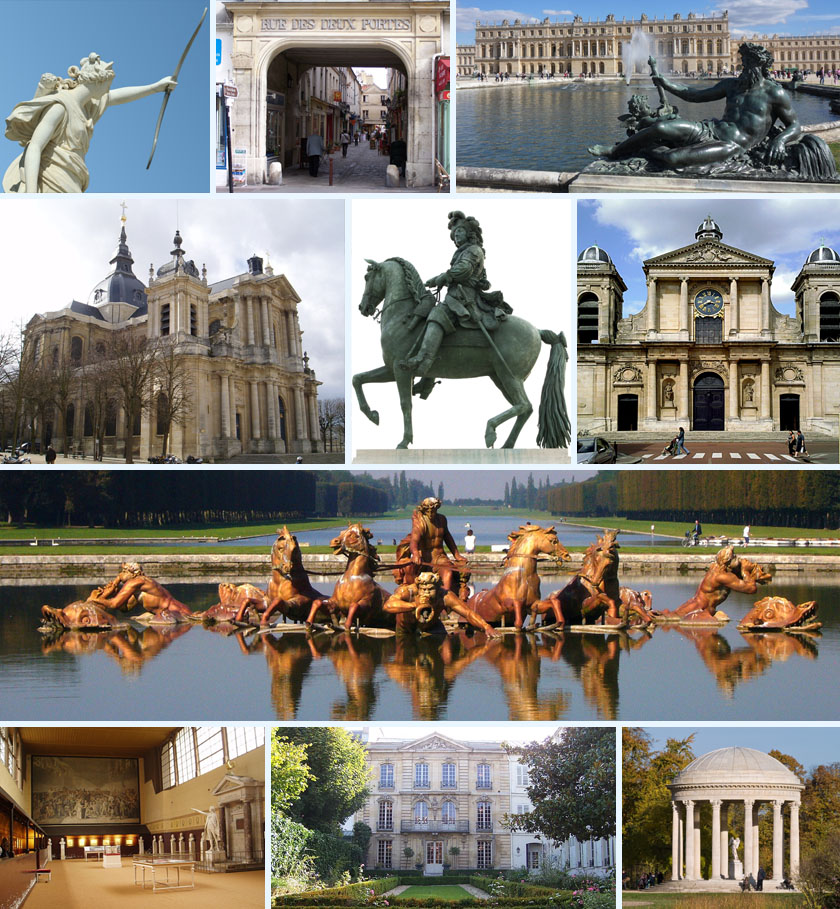
Most visitors to Versailles see the palace, snap a photo in the Hall of Mirrors, and leave. They miss the best parts. The estate sprawls across 2,000 acres, and the palace occupies just a fraction of that space. Marie Antoinette’s private world, the quiet corners of the gardens, and the smaller palaces tell a more intimate story than the grand apartments ever could.
Here’s how to experience Versailles like someone who actually knows the place.
Start Early, Skip the Palace Rush
The RER C from central Paris takes about 40 minutes to Versailles Château – Rive Gauche station. Trains run every 15 minutes starting around 6:30 a.m. Get there when the gates open at 9:00 a.m., but don’t join the palace queue immediately.
Instead, head straight to the gardens. They open at 8:00 a.m. on most days, an hour before the palace, giving you a head start. Walk past the crowds forming at the palace entrance and enter through the garden gates on either side. You’ll have the fountains, groves, and long perspectives nearly to yourself for the first hour.
The formal gardens extend for half a mile beyond the palace’s western façade. André Le Nôtre designed them to impress, and they still do. The geometry is precise, the scale enormous. But the real discoveries happen when you veer off the main axis.
Marie Antoinette’s Estate: The Queen’s Escape
At the northwestern edge of the grounds, about a 20-minute walk from the palace, Marie Antoinette created her own world. The Queen’s Hamlet (Hameau de la Reine) looks like a stage set for a pastoral fantasy—because that’s exactly what it is.
Built between 1783 and 1786, the hamlet features a working farm, a mill, and thatched-roof cottages arranged around a lake. Marie Antoinette came here to escape court life, dressed as a shepherdess, and played at being a peasant while actual farmers worked the land. It’s absurd and charming in equal measure.
The Petit Trianon sits nearby, a small neoclassical palace Louis XV built for his mistress Madame de Pompadour. Louis XVI later gave it to Marie Antoinette, who filled it with English gardens—informal, winding paths as far from French formality as she could get. The contrast with the main palace couldn’t be sharper.
You need a separate ticket for the Trianon estate, but it’s included in the full-estate passport. Don’t skip it. This is where you understand Marie Antoinette as a person rather than a symbol.
The Grand Trianon and Hidden Groves
Between the main palace and Marie Antoinette’s estate, the Grand Trianon offers a different kind of intimacy. Louis XIV built this pink marble palace as a retreat from Versailles—yes, he needed a retreat from his own palace. The scale is human, the decoration elegant without being overwhelming.
The gardens here are quieter. Fewer tour groups make it this far. In spring and summer, the flowerbeds around the Trianon explode with color, meticulously maintained by Versailles’ team of 50 gardeners.
Back in the main gardens, seek out the bosquets—ornamental groves hidden behind hedges. The Bosquet de la Colonnade features 32 marble columns in a circle, while the Salle de Bal has a cascade and island where musicians once performed. Most tourists walk right past the entrances without noticing.
Practical Tips for Your Visit
Buy tickets online before you go. The ticket line can eat an hour of your morning. The full-estate passport covers everything: palace, gardens, Trianon, and temporary exhibitions. On fountain show days (Saturdays and Sundays from April through October, plus some Tuesdays), garden admission costs extra, but the fountains perform to baroque music—worth it.
Bring lunch or buy sandwiches from the town of Versailles before entering. The on-site restaurants are overpriced and mediocre. Picnicking is allowed in designated areas of the gardens.
Rent a golf cart or bikes at the entrance if you’re short on time or mobility is an issue. The estate is enormous. Walking from the palace to the hamlet and back covers about three miles.
Visit on a weekday if possible. Weekend crowds triple. Winter (November through March) sees fewer visitors, though some fountains don’t run. The palace looks magnificent under snow.
Plan four to five hours minimum for a proper visit—longer if you want to see everything. Many visitors book a Versailles Palace and Gardens Tour from Paris that handles transportation and provides context most miss wandering alone.
The last entry to the palace is 5:30 p.m., but gardens stay open until 8:30 p.m. in summer. Golden hour in the gardens, with long shadows across the parterres and the palace glowing pink, beats the Hall of Mirrors any day.
Ready to discover more of Paris beyond the obvious? Subscribe to the Love Paris newsletter for one short story a day about the city’s hidden corners, local favorites, and insider knowledge that guidebooks miss.
Heads up — some links in this article are affiliate links. If you sign up through them, we may earn a small commission at no extra cost to you. We only recommend tools we use ourselves.
Tours & experiences in Paris


Powered by Viator. Some links are affiliate links — we may earn a small commission at no extra cost to you.