
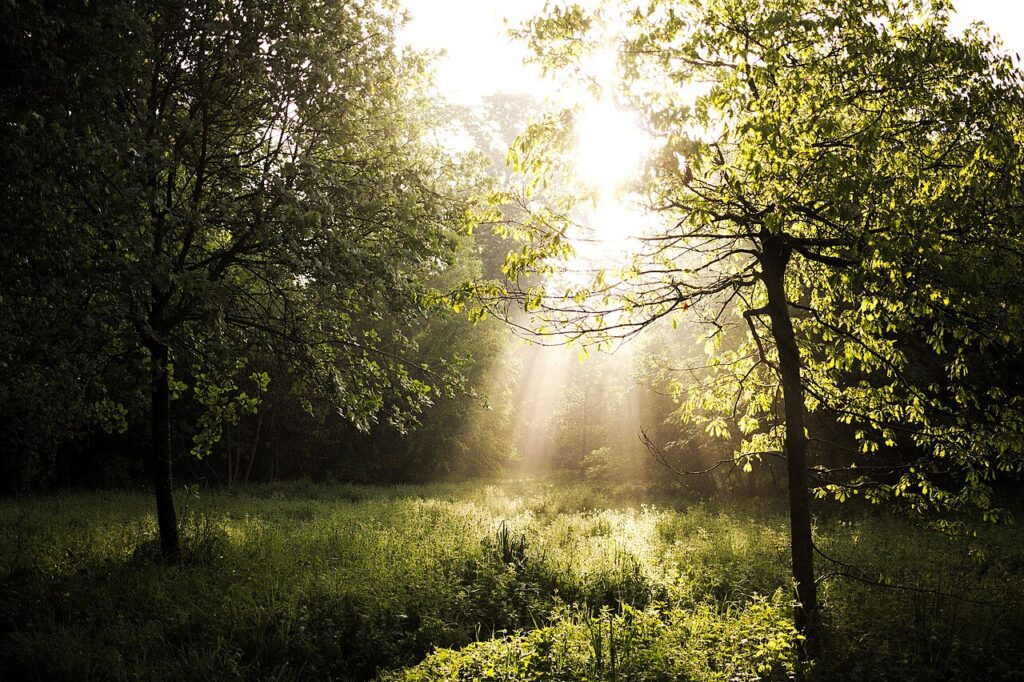
While most visitors head to the Luxembourg Gardens or the Tuileries, Parisians know that the city’s largest park lies to the east: the Bois de Vincennes. This 2,459-acre woodland is nearly three times the size of New York’s Central Park, and it offers something you won’t find in Paris‘s formal gardens—a genuine sense of wilderness just minutes from the city center.
The Bois de Vincennes isn’t a park in the traditional sense. It’s a working forest with lakes, meadows, a medieval fortress, a Buddhist temple, and enough trails to lose yourself for an entire day. Pack a picnic, rent a rowboat, or simply wander the paths beneath ancient oaks. This is Paris at its most relaxed.
The Château de Vincennes: A Medieval Fortress
Start your visit at the Château de Vincennes, France’s tallest medieval keep and one of the best-preserved fortified castles in Europe. The 170-foot donjon tower dates to the 14th century, when French kings used Vincennes as their primary residence before moving to the Louvre.
Climb the spiral staircase to the top for views across the forest and back toward Paris. The Sainte-Chapelle de Vincennes, modeled after its more famous cousin on the Île de la Cité, features stunning Gothic architecture and 16th-century stained glass. The château is open daily except Mondays; arrive early to beat the school groups.
Take métro line 1 to Château de Vincennes—the station deposits you directly at the castle entrance.
Four Lakes and Endless Green Space
The Bois de Vincennes contains four lakes, each with its own character. Lac Daumesnil, the largest, sits in the park’s western section and offers rowboat rentals from April through October. Two islands in the lake—the Île de Reuilly and the Île de Bercy—are connected by bridges and provide shaded picnic spots away from the crowds.
Lac des Minimes, in the northern section, features a larger island with a café and restaurant. Rent a bike at the park entrance and cycle the path that loops around the lake—it’s flat, scenic, and perfect for families. Lac de Saint-Mandé, the smallest lake, sits near the métro station of the same name and attracts locals fishing for carp on weekend mornings.
For true solitude, head to Lac de Gravelle in the southeastern corner. This narrow lake sees fewer visitors and offers quiet woodland trails along its banks.
The Parc Floral and Hidden Temples
The Parc Floral de Paris, tucked into the northern corner of the Bois, is worth the separate admission fee. This 69-acre botanical garden bursts with color from April through October, with dedicated sections for irises, dahlias, medicinal plants, and a stunning collection of bonsai trees.
The park hosts free jazz concerts on summer weekends at the outdoor amphitheater—bring a blanket and settle in for an afternoon of music. Kids love the playground with its wooden climbing structures and giant slides.
For something completely unexpected, walk southeast to find the Buddhist temple and Tibetan pagoda near Lac Daumesnil. Built in 1931 for the Colonial Exposition, the temple houses a large golden Buddha and offers meditation sessions open to the public on weekend afternoons.
The Ferme de Paris: A Working Farm
In the southern section of the Bois, the Ferme de Paris operates as a working educational farm where Parisian schoolchildren learn about agriculture. Visit on Saturday or Sunday afternoons when the farm opens to the public (free admission). You’ll find sheep, cows, chickens, and beehives, along with vegetable gardens that demonstrate traditional farming methods.
The farm shop sells honey, eggs, and seasonal produce—cash only. It’s a surreal experience to buy farm-fresh eggs while still technically within Paris’s city limits.
Practical Information
The Bois de Vincennes is open 24 hours, though it’s best visited during daylight. Multiple métro stations provide access: Château de Vincennes (line 1) for the château and Parc Floral, Porte Dorée (line 8) for Lac Daumesnil, and Liberté (line 8) for the southern trails and farm.
Bike rentals are available near Château de Vincennes and at Lac Daumesnil during warmer months. The park includes over 18 miles of marked trails—pick up a map at the Parc Floral entrance or download one from the Paris parks website before you go.
Visit midweek for the quietest experience. Weekends bring families, joggers, and picnickers, especially around the lakes. Early morning offers the best light for photography and the chance to spot the park’s resident herons and woodpeckers.
Pack water and snacks—while there are a few cafés near the lakes and in the Parc Floral, much of the Bois has limited services. That’s part of its charm. This is Paris as few visitors see it: wild, green, and wonderfully uncivilized.
Want more insider perspectives on Paris’s hidden corners and off-the-beaten-path experiences? Subscribe to the Love Paris newsletter—we send one short story a day to help you discover the city beyond the guidebooks.
Tours & experiences in Paris


Powered by Viator. Some links are affiliate links — we may earn a small commission at no extra cost to you.