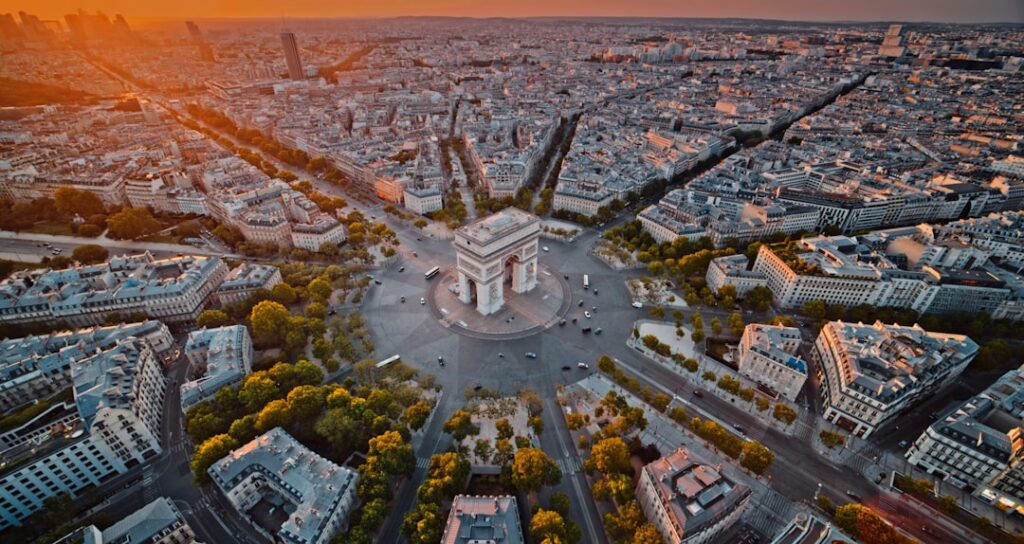
In the spring of 1871, Paris became the epicenter of one of history’s most radical political experiments. For 72 days, the Paris Commune transformed the city into a revolutionary state, challenging the established order and inspiring generations of political movements across Europe and beyond. Forty-five years later, in another spring uprising, Dublin would witness its own defining moment of rebellion—the Easter Rising of 1916.
The connection between these two revolutionary moments runs deeper than mere chronological coincidence. Irish republicans who participated in the Easter Rising were acutely aware of the Paris Commune’s legacy, and several key figures in Irish revolutionary circles had studied the Commune’s tactics, successes, and ultimate failures as they planned their own uprising against British rule.
James Connolly, the socialist leader and military commander of the Easter Rising, was particularly influenced by the Paris Commune. In his writings, Connolly frequently referenced the Commune as a model of working-class resistance and revolutionary organization. He studied how the Communards had seized control of Paris, established their alternative government, and defended the city against the forces of Versailles. These lessons informed the Irish Citizen Army’s strategies during the six days that rebels held key positions across Dublin.
Revolutionary Echoes Across the Channel
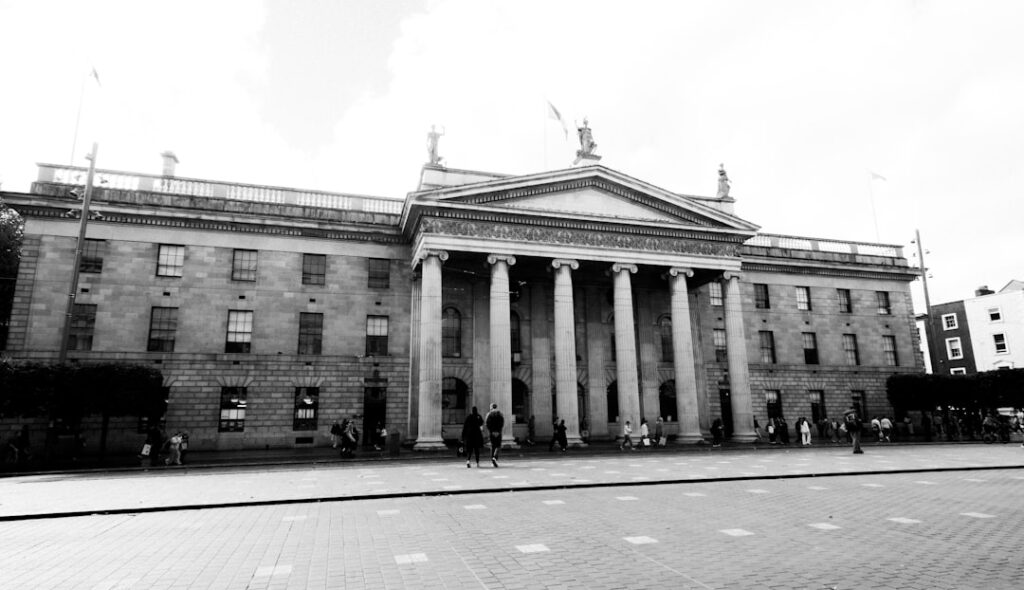
The parallels between the two uprisings are striking. Both were urban insurrections that seized symbolic buildings in capital cities—the Hôtel de Ville and other government buildings in Paris, the General Post Office and other strategic locations in Dublin. Both faced overwhelming military force and ended in defeat, with brutal reprisals that followed. And crucially, both initially unpopular uprisings ultimately succeeded in their broader aims: the Paris Commune helped shape the French Third Republic and influenced socialist movements worldwide, while the Easter Rising catalyzed Irish independence within five years.
The architectural scars left by both rebellions remain visible today. In Paris, the Tuileries Palace was burned during the Commune’s final days and never rebuilt, leaving a permanent gap in the city’s landscape. In Dublin, the General Post Office still bears bullet holes from 1916, preserved as a reminder of that transformative week. Both cities have transformed sites of violence into spaces of memory and national identity.
A Shared Legacy of Urban Rebellion
French historians and Irish scholars have long recognized these connections. The Bibliothèque Nationale de France holds extensive archives documenting how news of the Paris Commune circulated through Irish nationalist circles in the late 19th century. Similarly, Irish revolutionary newspapers and pamphlets from the early 20th century frequently invoked the Commune as both inspiration and cautionary tale.
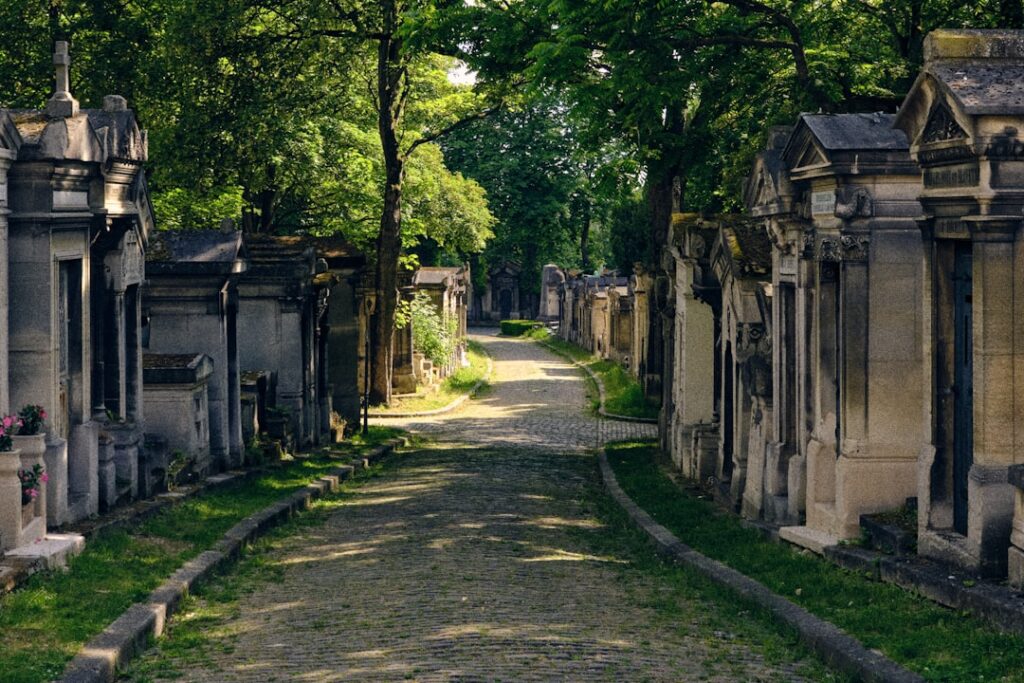
Today, both Paris and Dublin commemorate their revolutionary moments as foundational to their modern identities. The Mur des Fédérés at Père Lachaise Cemetery, where 147 Communards were executed, remains a pilgrimage site for those honoring the Commune’s legacy. In Dublin, the Easter Rising is remembered through annual commemorations, museums, and walking tours that trace the rebellion’s geography through the city streets.
For visitors to Paris interested in this revolutionary connection, the Musée Carnavalet offers extensive exhibits on the Paris Commune, including photographs, weapons, and personal effects of the Communards. These artifacts tell a story that resonates across the Irish Sea—of ordinary citizens who took up arms to transform their city and, ultimately, their nation’s future.
Tours & experiences in Paris


Powered by Viator. Some links are affiliate links — we may earn a small commission at no extra cost to you.