
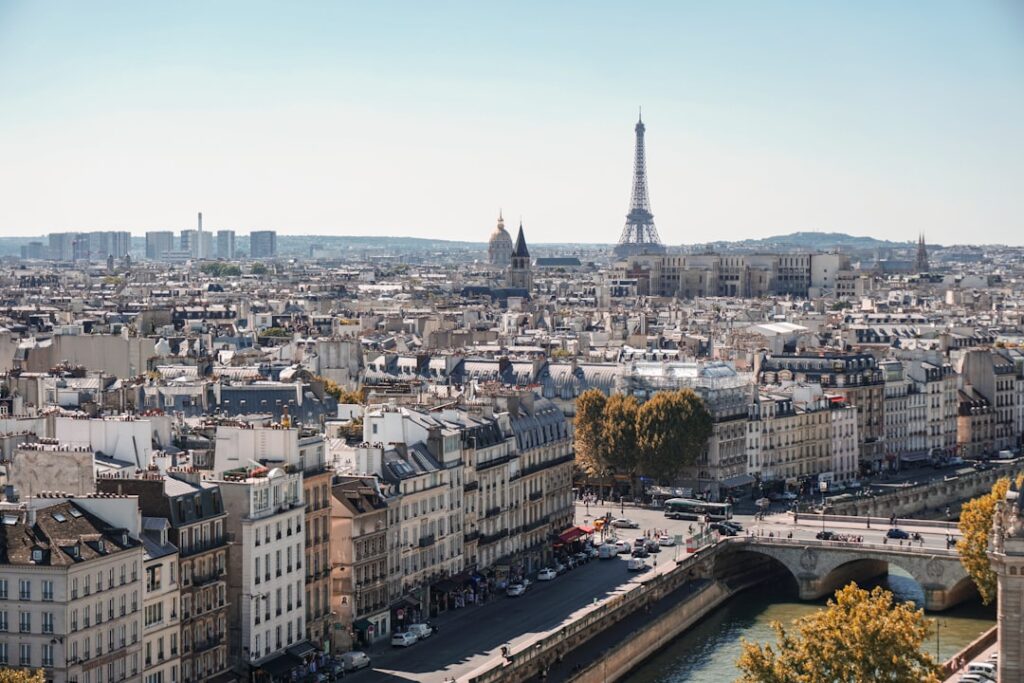
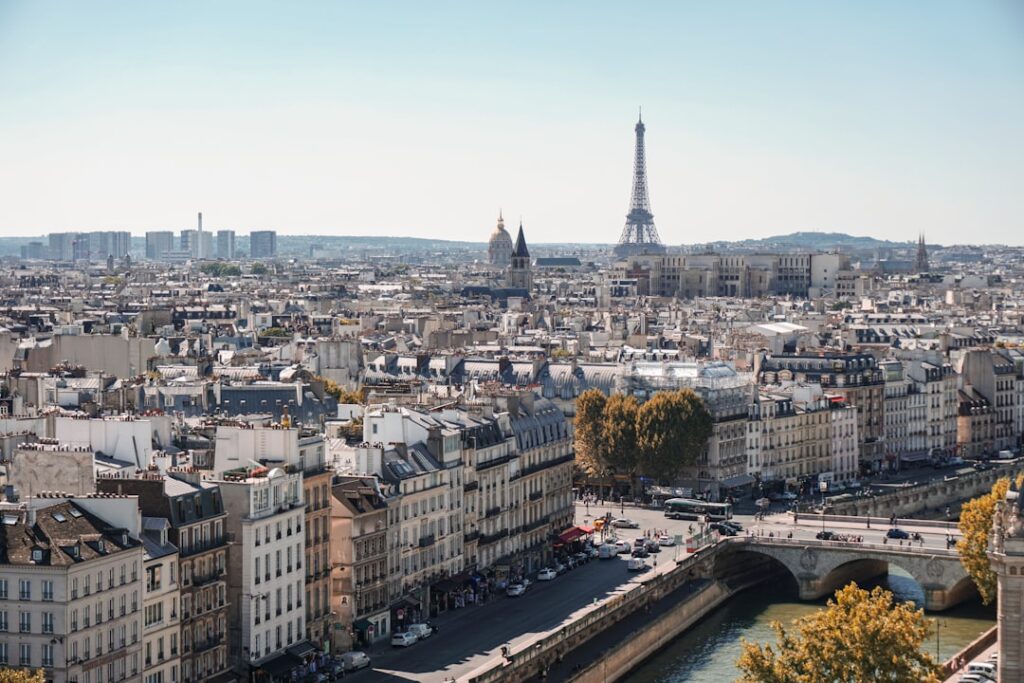
Long before the European Union, long before NATO, Paris and Scotland were bound by one of history’s most enduring international alliances. The Auld Alliance, formalized in 1295 and lasting nearly three centuries, linked the Kingdom of France with the Kingdom of Scotland in a mutual defense pact against their common rival: England.
This wasn’t merely a diplomatic arrangement on parchment. The alliance brought Scottish soldiers to French battlefields, French gold to Scottish coffers, and created cultural exchanges that left lasting marks on both nations. At the heart of French power, Paris became a second home for Scottish nobility, merchants, and soldiers seeking fortune and refuge.
Scottish Guards at the Heart of Paris
Perhaps nowhere was the alliance more visible than in the elite Garde Écossaise, the Scottish Guard that protected French monarchs. Established in 1418, these Scottish soldiers, recruited from the Highlands and Lowlands alike, were entrusted with the personal safety of French kings—a remarkable testament to the trust between the two nations.
The Paris most visitors miss
Our free 8-page PDF guide: 25 places, from Galerie Vivienne's 1880 mosaic floor to Canal Saint-Martin's locks, each linked to its official site.
The Scottish Guard maintained barracks in Paris and accompanied the royal court throughout France. Their loyalty was legendary: they fought at the king’s side during wars and stood watch at the Louvre. The unit was disbanded in 1791 during the French Revolution, re-established in 1814 during the Bourbon Restoration, and finally disbanded in 1830, having become deeply integrated into French military tradition.
Mary Queen of Scots: A Parisian Childhood
The alliance shaped royal destinies. Mary Queen of Scots spent her formative years in Paris, arriving as a five-year-old in 1548 and remaining until 1561. Raised at the French court, she married the Dauphin Francis in 1558 at Notre-Dame de Paris, briefly becoming Queen of France before returning to Scotland as a widow.
Mary’s French education, Catholic faith, and continental manners—all products of her Parisian upbringing—would profoundly influence her turbulent reign in Scotland and ultimately contribute to her tragic downfall. Her story remains one of the most dramatic illustrations of how deeply the Auld Alliance intertwined French and Scottish royal houses.
Military Cooperation and Shared Battlefields
Scottish regiments fought alongside French forces in numerous conflicts. During the Hundred Years’ War, thousands of Scottish soldiers joined French armies against England. At the Battle of Baugé in 1421, Scottish forces played a crucial role in a significant French victory, with the Earl of Buchan commanding combined Franco-Scottish troops.
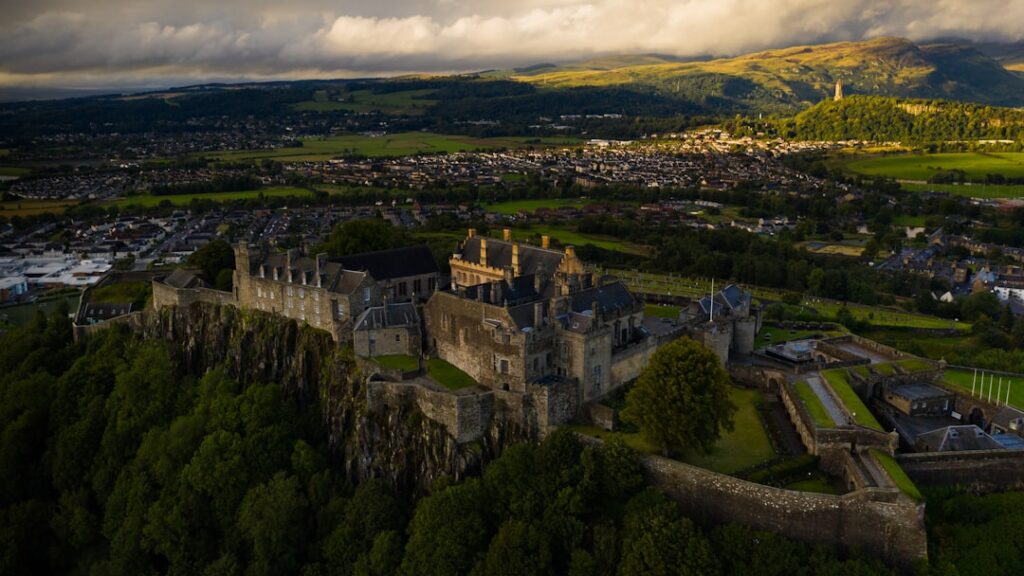
French support flowed the other way too. When England threatened Scottish independence, French gold and weapons reinforced Scottish defenses. Stirling Castle, one of Scotland’s most strategically important fortresses, stood as a symbol of the independence that the alliance helped Scotland maintain against English pressure.
Cultural Legacy in Modern Paris
Today, traces of the Auld Alliance remain visible in Paris. The Collège des Écossais, or Scots College, was opened in 1325 and confirmed in 1326 to educate Scottish students in Paris. The current building on Rue du Cardinal Lemoine dates from 1662-1665, though the institution itself survived for centuries as a center of Scottish life in the French capital.
Scottish merchants established themselves in Parisian trade networks, particularly in the wine and textile businesses. The mutual privileges granted under the alliance allowed Scots to live and work in France with rights unavailable to other foreigners—a medieval precursor to modern EU freedom of movement.
The Auld Alliance was formally ended by the Treaty of Edinburgh in 1560, when Scotland’s Protestant Reformation shifted its diplomatic orientation. Yet the centuries of cooperation left an indelible mark on both nations, creating bonds of culture, blood, and shared history that connected Paris with the castles, glens, and battlefields of Scotland in ways that still resonate today.
Tours & experiences in Paris


Powered by Viator. Some links are affiliate links — we may earn a small commission at no extra cost to you.