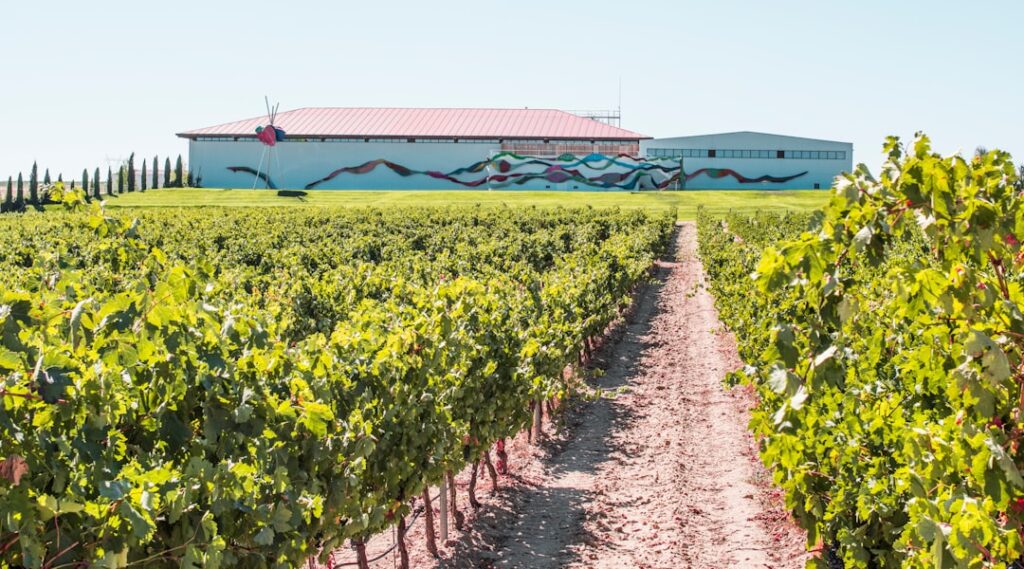
Just 90 minutes east of Paris, the Champagne region offers one of France’s most rewarding day trips. Rolling vineyards, centuries-old cellars carved into chalk hillsides, and the world’s most celebrated sparkling wine await. Whether you’re a serious oenophile or simply curious about where those bubbles come from, Champagne delivers both history and flavor in equal measure.
Getting to Champagne from Paris
The gateway to Champagne country is Reims, easily accessible from Paris’s Gare de l’Est. Direct TGV trains make the journey in just 46 minutes, with departures every hour or two throughout the day. Épernay, the other major Champagne town, takes about 75 minutes by train with one connection at Dormans or via direct service from Gare de l’Est.
If you prefer not to navigate train schedules and want to visit multiple producers in one day, organized tours handle all the logistics. Most include transportation, cellar visits at two or three prestigious houses, tastings, and sometimes lunch among the vines. Tours typically depart Paris around 7:30 or 8:00 a.m. and return by early evening.
Renting a car gives you maximum flexibility to explore smaller villages like Hautvillers (where Dom Pérignon perfected his craft) and family-run producers, but remember: if you’re tasting, you’ll need a designated driver.
Reims: Cathedral City and Champagne Capital
Reims deserves at least half your day. The stunning Gothic cathedral, where French kings were crowned for centuries, rises above the city center with its intricate stone lacework and Marc Chagall stained-glass windows. It’s free to enter and worth an hour of exploration before you descend into the cellars.
The big Champagne houses—Taittinger, Veuve Clicquot, Mumm, and Pommery—cluster within walking distance of the cathedral. Taittinger’s cellars occupy 4th-century Roman chalk quarries, a particularly atmospheric setting for learning how Champagne is made. Tours run in English throughout the day, typically lasting 60 to 90 minutes and ending with a tasting of two or three cuvées.
Book cellar visits at least a few days ahead, especially from April through October. Walk-ins are sometimes possible at larger houses, but you risk disappointment during busy periods. Expect to pay €20 to €40 per person for a standard tour and tasting; prestige cuvée tastings cost more.
For lunch, head to Place Drouet d’Erlon, Reims’s pedestrian boulevard lined with brasseries and cafés. Le Bocal and Brasserie Le Boulingrin both serve classic regional dishes—think andouillette de Troyes, Chaource cheese, and of course, Champagne by the glass.
Épernay: Avenue de Champagne and Smaller Houses
If Reims is Champagne’s historic heart, Épernay is its soul. The aptly named Avenue de Champagne runs through town like a sparkling spine, lined with the ornate 19th-century mansions of Moët & Chandon, Perrier-Jouët, and Pol Roger. Beneath your feet stretch nearly 70 miles of cellars holding hundreds of millions of bottles.
Moët & Chandon offers the most frequent tours—no reservation needed for individuals, though you may wait during summer. The tour covers the traditional méthode champenoise and the house’s connection to Napoleon, who was a friend of Jean-Rémy Moët. More intimate experiences await at De Castellane, whose red-brick tower you can climb for vineyard views, or Champagne Mercier, where you tour the cellars by little train.
Don’t overlook the smaller producers. In nearby Aÿ, Champagne Ayala welcomes visitors to a beautiful Belle Époque villa. In Hautvillers, several grower-producers (vignerons indépendants) offer tastings by appointment, often in family homes where you’ll meet the winemaker personally. These visits feel more like conversations than commercial tours, and the Champagnes often represent exceptional value.
Practical Tips for Your Champagne Day Trip
Start early. An 8:00 a.m. train from Paris puts you in Reims by 9:00, giving you time for the cathedral and two cellar visits before lunch. Add Épernay in the afternoon (a 30-minute train from Reims), and you’re back in Paris by 8:00 p.m.
Pace yourself with the tastings. Even small pours add up across multiple cellars, and Champagne’s bubbles can be deceptively potent. Eat a proper lunch and don’t hesitate to use the spittoons provided during professional tastings.
Dress in layers. Cellars maintain a constant 50°F (10°C) year-round. That’s perfect for aging wine but chilly after 30 minutes underground, even in summer. Bring a light jacket or sweater.
If you’re visiting between late August and early October, you might witness the vendange (harvest). The vineyards come alive with pickers, and some houses offer special harvest-themed tours. It’s Champagne’s most photogenic season, with golden September light washing over endless rows of vines.
Consider staying overnight if your schedule allows. Reims and Épernay both have charming hotels, and experiencing the region without rushing back to Paris lets you enjoy dinner and evening tastings. The morning light over the vineyards is spectacular.
Ready to plan more Paris adventures? Subscribe to the Love Paris newsletter for one short story a day about the city’s neighborhoods, culture, food, and hidden corners. Your inbox will thank you.
Tours & experiences in Paris


Powered by Viator. Some links are affiliate links — we may earn a small commission at no extra cost to you.