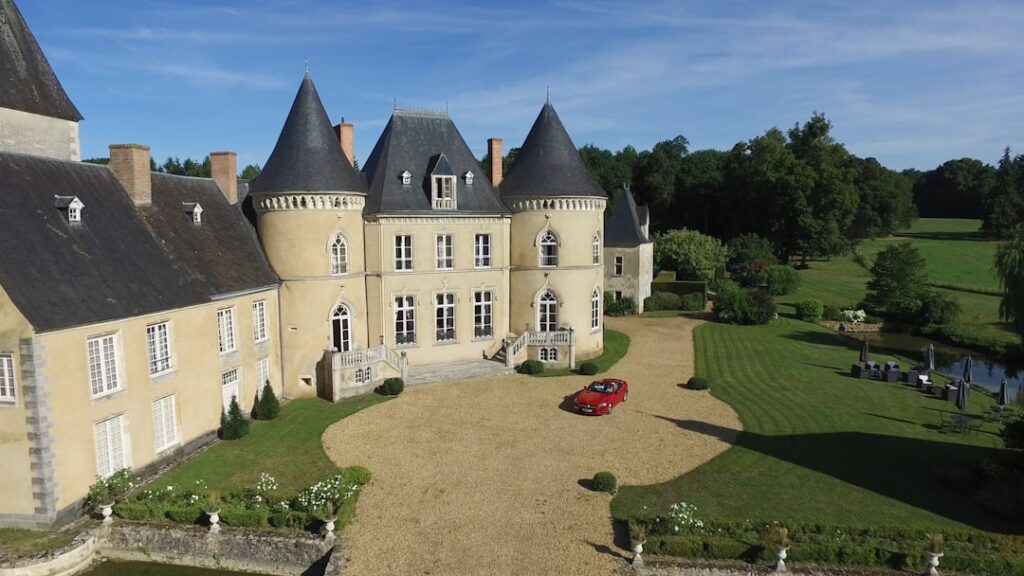
On the evening of 17 August 1661, Nicolas Fouquet, France’s Superintendent of Finances, hosted the most spectacular party the realm had ever seen. At his newly completed Château de Vaux-le-Vicomte, southeast of Paris, approximately six hundred guests dined on gold plate, watched a Molière premiere performed in the gardens, and marveled at a fireworks display that lit up the Île-de-France sky. Among the guests was the young Louis XIV, who left the festivities seething with a jealousy that would reshape the French capital forever.
Fouquet’s fatal mistake was not merely displaying wealth—it was revealing that a subject could command greater artistic vision than the king himself. Vaux-le-Vicomte represented a revolution in French design: architect Louis Le Vau had created a palace of unprecedented elegance, Charles Le Brun had decorated its interiors with mythological grandeur, and André Le Nôtre had laid out gardens that married geometry with nature in ways never before achieved. Together, this trio had invented the French classical style that would define an age.
Within three weeks of the fête, Fouquet was arrested on charges of embezzlement. Louis XIV’s finance minister Jean-Baptiste Colbert had been building a case against him for months, but the timing was no coincidence. The king had been humiliated in his own realm, and Fouquet would spend the rest of his life imprisoned in the Alpine fortress of Pignerol. His crime, as the court understood it, was not theft but hubris—he had outshone the Sun King.
Paris Inherits a Dream
Louis XIV’s response to Vaux-le-Vicomte transformed Paris and its surroundings for centuries to come. The king effectively commandeered Fouquet’s entire creative team. Le Vau, Le Brun, and Le Nôtre were immediately set to work on a royal project that would dwarf anything a mere minister could imagine: the expansion of the modest hunting lodge at Versailles into the greatest palace Europe had ever seen.
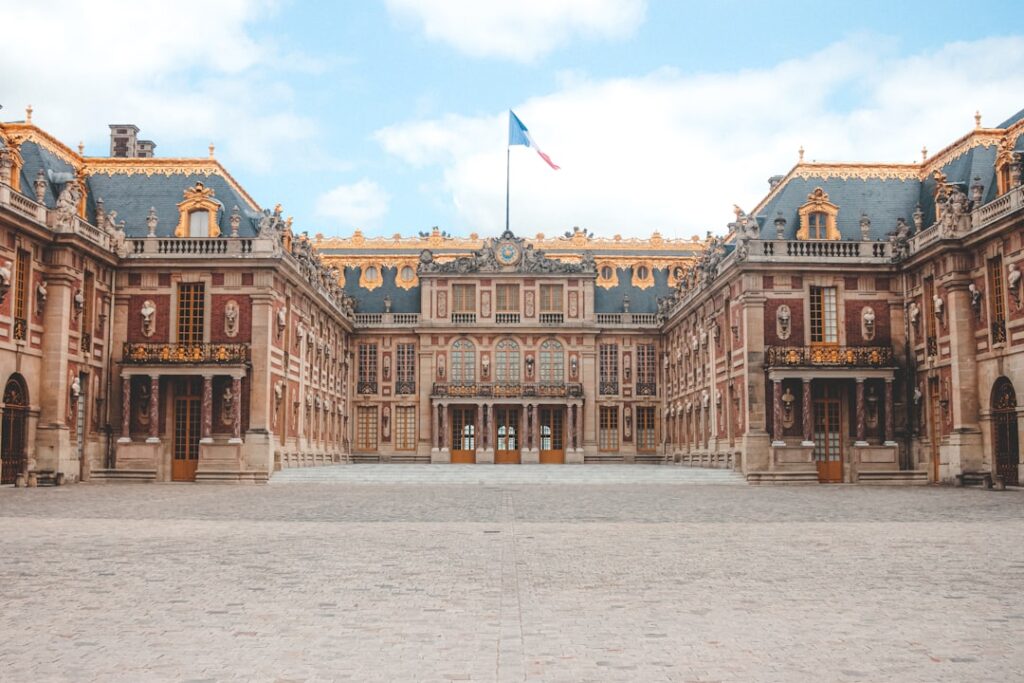
For Parisians, this royal jealousy had profound consequences. Versailles, just twenty kilometers southwest of the capital, became the center of French power and culture. The court’s relocation drained Paris of its royal presence but simultaneously freed the city to develop its own urban identity. The artistic vocabulary pioneered at Vaux—the formal gardens, the painted ceilings, the theatrical use of water and light—became the template for aristocratic hôtels particuliers throughout the Marais and Faubourg Saint-Germain.
Le Nôtre himself left an indelible mark on Paris. Fresh from his triumph at Vaux and his ongoing work at Versailles, he redesigned the Tuileries Gardens in the 1660s, creating the grand axis that would eventually extend from the Louvre through the Champs-Élysées to the Arc de Triomphe and beyond. The geometric precision and theatrical vistas he had perfected at Vaux became the organizing principle of Parisian urbanism.
A Legacy Visible Today
Today, visitors can trace this artistic lineage across the Île-de-France. Vaux-le-Vicomte remains privately owned and exquisitely preserved, its candlelit evening visits evoking the fatal glamour of Fouquet’s doomed celebration. Meanwhile, the Louvre’s galleries display Le Brun’s paintings, the Tuileries still follow Le Nôtre’s design, and the entire western axis of Paris embodies principles first realized in that château an hour to the southeast.
The story of Vaux-le-Vicomte reminds us that Paris as we know it—its grand perspectives, its classical elegance, even the displacement of royal power to Versailles—emerged partly from one man’s spectacular overreach and a king’s wounded pride. Fouquet’s party lasted one night; its consequences shaped three centuries of French art and architecture.
Tours & experiences in Paris


Powered by Viator. Some links are affiliate links — we may earn a small commission at no extra cost to you.