
Walk through the streets of Paris today and you’ll find traces of one of Europe’s oldest diplomatic relationships: the Auld Alliance between France and Scotland, which shaped both nations for nearly three centuries. This medieval partnership, formalized in 1295 and lasting until 1560, created bonds that still resonate in Paris’s architecture, street names, and cultural memory.
The most visible reminder stands in the Latin Quarter: the Collège des Écossais, or Scots College, formally founded in 1333 on Rue du Cardinal Lemoine. For centuries, this institution educated Scottish students in Paris, serving as a crucial link between Edinburgh and the French capital. Though the original medieval buildings are gone, the site remains historically significant, and the college operated until the French Revolution in 1793. Many Scottish nobles and clergy who studied here returned to Edinburgh to serve in prominent roles, creating an intellectual bridge across the Channel.
Just as modern guides help with Tracing Your Edinburgh Roots in New York, historians today can trace the movement of Scottish families to Paris during the alliance years. The French royal guard included the Garde Écossaise, an elite Scottish unit that protected French monarchs from 1418 to 1830. These soldiers settled in Paris, married French women, and their descendants became part of the city’s fabric. Surnames like Écossais and variations of Scottish clan names can still be found in Parisian records.

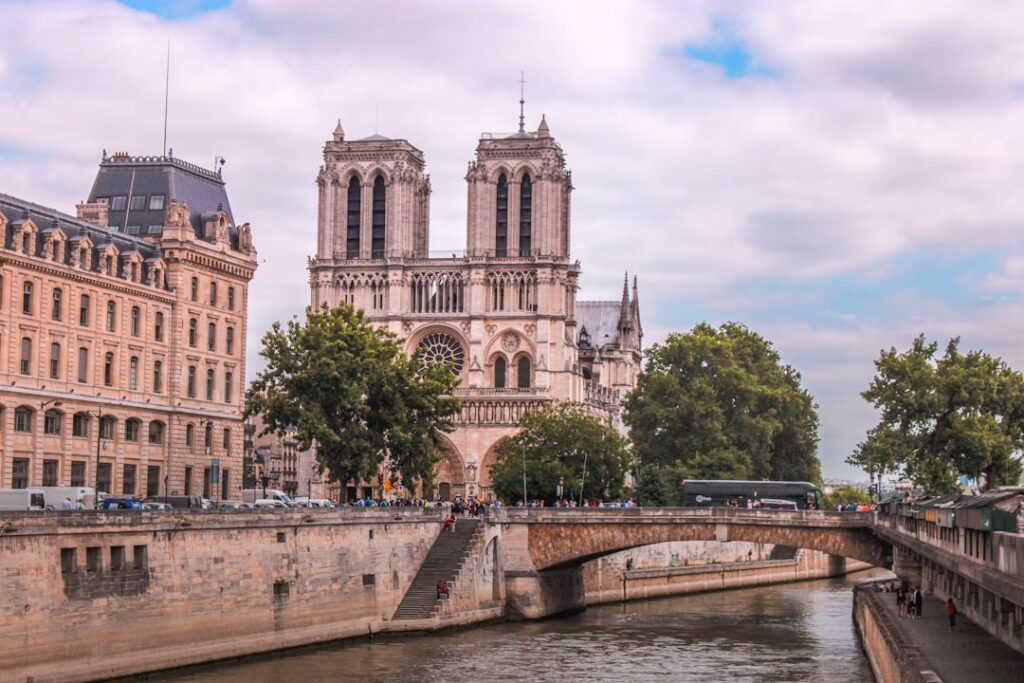
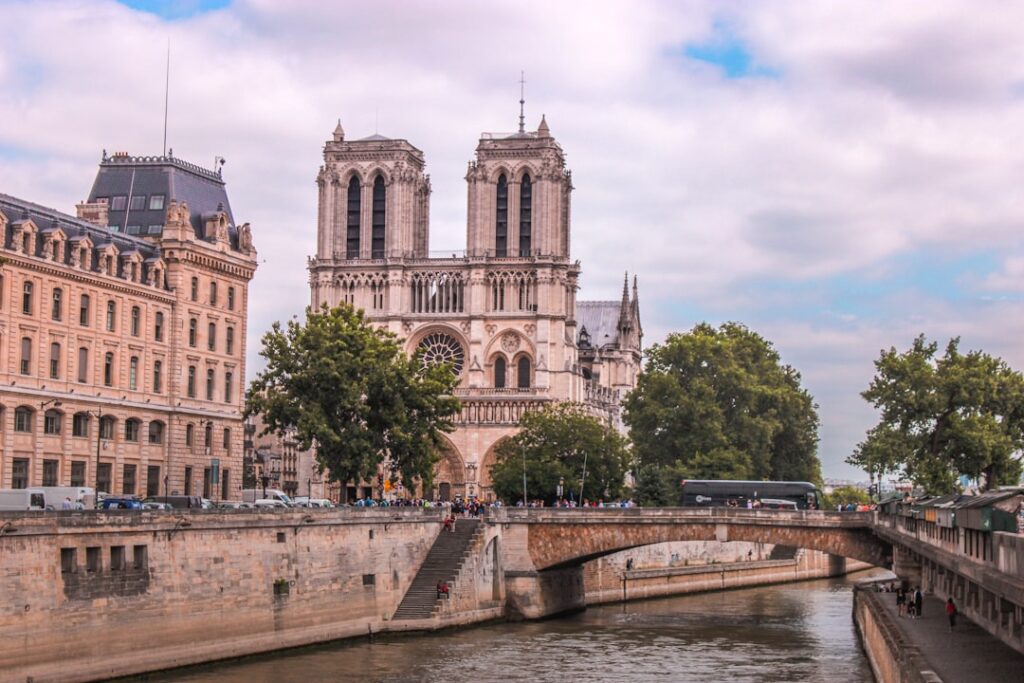
The alliance wasn’t merely military. Paris became a refuge for Scots fleeing political turmoil, particularly during the Reformation and the Jacobite risings. Mary, Queen of Scots spent her formative years in Paris, marrying the French Dauphin in 1558 at Notre-Dame Cathedral. Her presence at the French court strengthened cultural ties between Edinburgh and Paris, influencing everything from courtly manners to architectural tastes that she would later bring back to Scotland.
Today, Rue d’Écosse in the 5th arrondissement commemorates this relationship, documented as ‘rue d’Escosse’ since 1636. The Bibliothèque nationale de France holds extensive archives documenting the Auld Alliance, including treaties, correspondence, and accounts of Scottish merchants who established themselves in Paris’s commercial districts.
The alliance also influenced Paris’s wine trade. Scottish merchants in Bordeaux and Paris helped establish trading networks that brought French wine to Edinburgh while exporting Scottish wool and fish to France. These commercial relationships outlasted the formal alliance, with trading houses maintaining connections well into the 18th century.
For visitors interested in this shared history, the Musée de Cluny occasionally displays artifacts from the alliance period, including weapons, documents, and religious items that traveled between the two nations. The museum’s medieval collections provide context for understanding how deeply intertwined Paris and Edinburgh once were.
While the formal alliance ended centuries ago, its legacy persists in unexpected ways. French remains part of Scottish legal terminology, a remnant of the alliance years when French was the language of diplomacy and law. Similarly, certain Parisian institutions retain ceremonial connections to Scotland, acknowledging the centuries when the two nations stood together against common rivals.
The Auld Alliance represents more than historical curiosity—it’s a reminder that Paris and Edinburgh share centuries of interconnected stories, from royal marriages to merchant networks, from military cooperation to academic exchange. These bonds, forged in medieval politics, created cultural pathways that shaped both cities in ways still visible today.
Tours & experiences in Paris


Powered by Viator. Some links are affiliate links — we may earn a small commission at no extra cost to you.