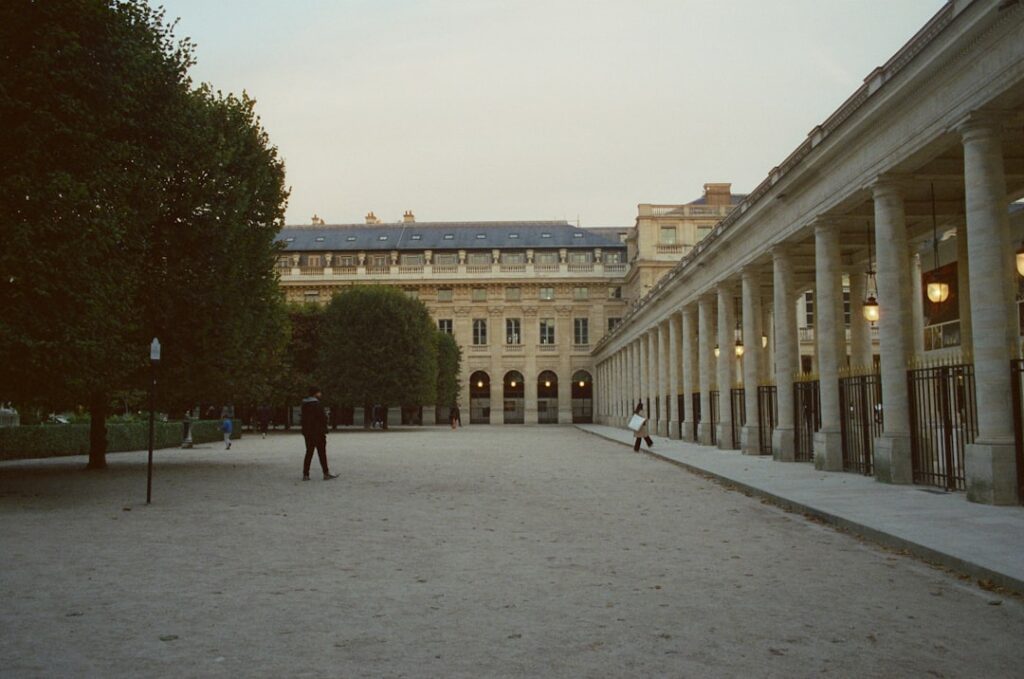
On the evening of 17 August 1661, Nicolas Fouquet, Louis XIV’s finance minister, made a fatal miscalculation. He invited the 23-year-old king to his newly completed Château de Vaux-le-Vicomte, an hour southeast of Paris, for a fête so magnificent it would seal his doom and reshape the French capital forever.
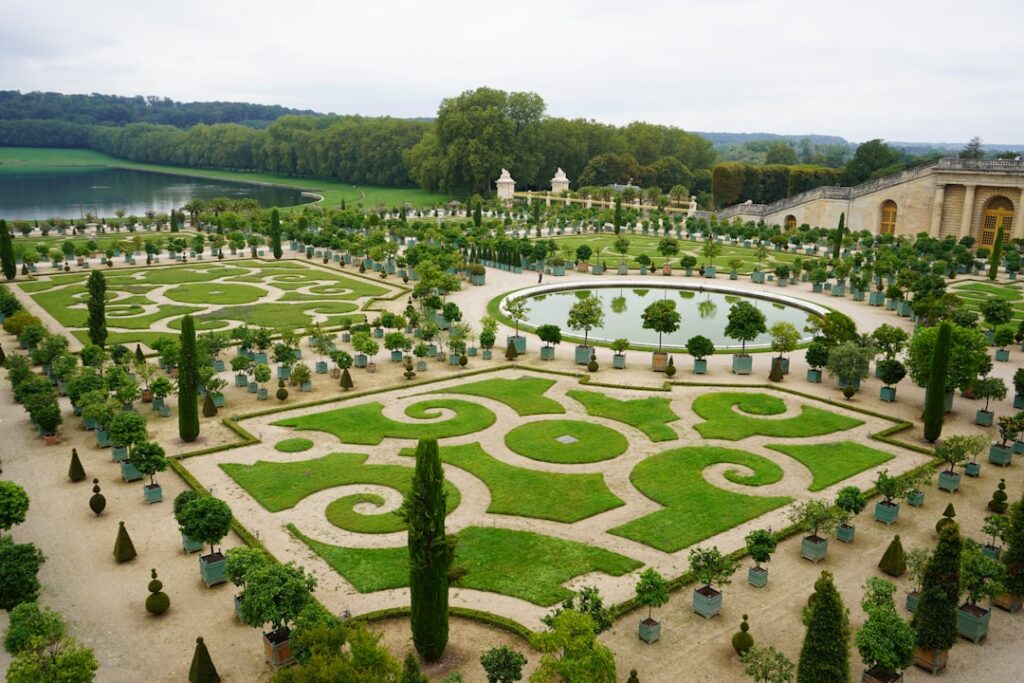
The evening’s extravagance was unprecedented. Courtiers wandered through gardens designed by André Le Nôtre, their paths illuminated by hundreds of torches. Inside, Charles Le Brun’s frescoes gleamed on vaulted ceilings. Molière premiered a new comedy, Les Fâcheux, written specifically for the occasion. A fountain ballet choreographed to music played across the reflecting pools. The feast included dishes served on gold plate, and the evening culminated in a fireworks display that lit up the Île-de-France sky.
Louis XIV, still consolidating power after his mother’s regency, watched his minister’s display with mounting fury. How could a subject possess such wealth and taste? The palace at Vaux eclipsed anything the crown owned. The king’s own residences—the medieval Louvre, the hunting lodge at Versailles—seemed shabby by comparison.
The Architect of His Own Downfall
On 5 September, Fouquet was arrested by d’Artagnan, captain-lieutenant of the King’s Musketeers. Charged with embezzlement, he would spend the rest of his life imprisoned in the fortress of Pignerol in the Alps. But Louis XIV’s revenge extended beyond Fouquet’s person—he would seize the very artists and vision that had humiliated him.
Within months, the king commandeered the triumvirate who had created Vaux: Le Nôtre, the landscape architect; Le Brun, the painter; and Louis Le Vau, the architect. He set them to work on a project that would dwarf Fouquet’s achievement—the transformation of his father’s modest hunting lodge at Versailles into the greatest palace Europe had ever seen.
Paris Transformed
The consequences for Paris were profound. As Versailles consumed royal attention and resources, the capital’s role shifted. Rather than being the seat of royal power, Paris became the intellectual and commercial heart of France—a city of salons, theatres, and emerging public life.
The Louvre, which Louis XIV gradually abandoned for Versailles, evolved differently than it might have under constant royal occupation. Though construction continued on the palace’s eastern façade—the magnificent colonnade designed by Claude Perrault—the building’s eventual transformation into a public museum became possible precisely because the king had moved his court elsewhere.
The artistic workshops that had once served the Louvre now served Versailles, but Paris retained the Gobelins Manufactory, which Le Brun directed to produce tapestries and furnishings for the new palace. This industrial-artistic complex in the 13th arrondissement became a centre of innovation in decorative arts, training generations of craftsmen whose work would grace Parisian hôtels particuliers.
A Legacy Visible Today
Visitors to Paris today walk through spaces shaped by that August night in 1661. The Tuileries Gardens, redesigned by Le Nôtre in the 1660s, demonstrate the formal French garden style that Fouquet’s party first showcased. The Luxembourg Gardens bear similar marks of the Le Nôtre school.
In the Louvre’s Apollo Gallery, Le Brun’s ceiling paintings—created for Louis XIV—echo the techniques he perfected at Vaux. The museum’s decorative arts collections house furniture and objects from the workshops that supplied both Vaux and Versailles, testament to the age of magnificence that Fouquet’s fatal party inaugurated.
The irony is perfect: Fouquet’s attempt to impress his king bankrupted and imprisoned him, yet the aesthetic vision he championed at Vaux-le-Vicomte became the defining style of Louis XIV’s reign, shaping not just Versailles but the artistic character of Paris itself for centuries to come.
Tours & experiences in Paris


Powered by Viator. Some links are affiliate links — we may earn a small commission at no extra cost to you.