
For nearly two centuries after his death, William Shakespeare was virtually unknown in France. While his plays captivated audiences across the English-speaking world, Paris treated the playwright with suspicion, disdain, and outright hostility. The story of how Shakespeare finally won over the French capital is one of cultural warfare, literary revolution, and the power of translation to bridge seemingly unbridgeable divides.
In the 17th and 18th centuries, French classical theatre reigned supreme. Corneille, Racine, and Molière set the standard for dramatic excellence, following strict rules of unity, decorum, and alexandrine verse. Shakespeare’s sprawling plots, mixed genres, and violent stage action violated every principle French critics held dear. Voltaire, who had encountered Shakespeare during his exile in England, initially introduced the Bard to French readers—but only to mock him as a “drunken savage” whose works lacked all refinement.
The French Revolution changed everything. As the old aristocratic order crumbled, so did reverence for classical theatrical conventions. Romantic writers sought new models of dramatic freedom, and Shakespeare—with his passionate characters, political intrigue, and defiance of rigid rules—became their hero. Victor Hugo championed Shakespeare as a genius of nature over artifice, declaring him superior to the constrained French classics.
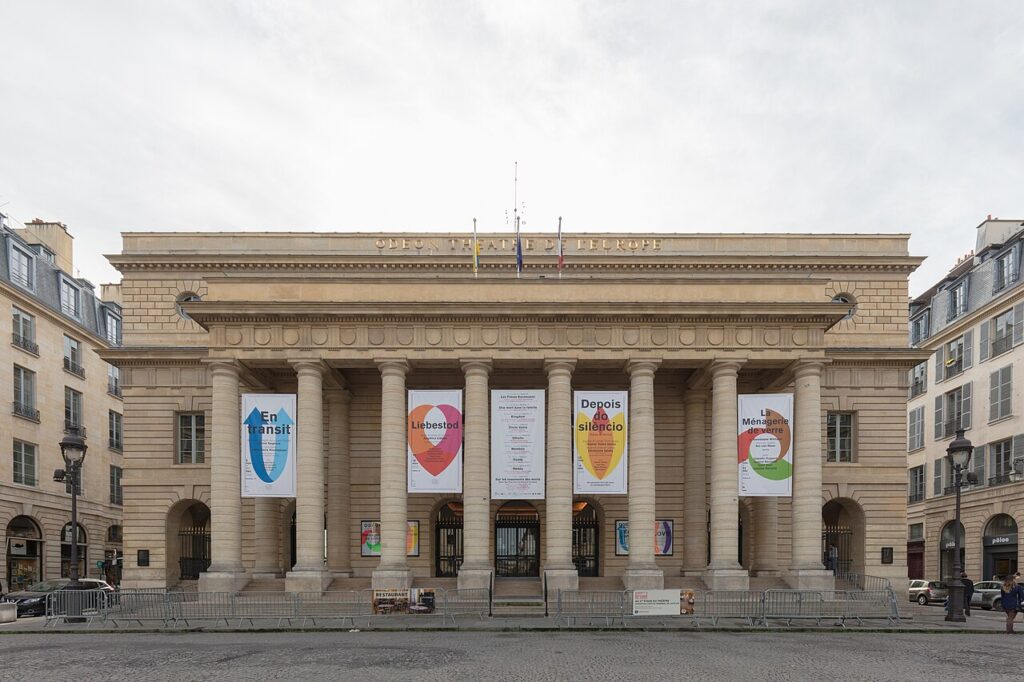
The real breakthrough came in 1827, when an English theatre company performed Shakespeare in Paris at the Odéon Theatre. The productions of Hamlet and Romeo and Juliet electrified audiences, particularly the young Romantics. Among them was Alexandre Dumas, who later wrote that the performances were “a revelation.” Hector Berlioz attended and fell madly in love both with Shakespeare and with the Irish actress Harriet Smithson playing Ophelia and Juliet—he eventually married her and composed his Symphonie fantastique under Shakespeare’s influence.
Translation proved crucial to Shakespeare’s French conquest. François-Victor Hugo, son of Victor Hugo, spent fifteen years producing a complete French translation of Shakespeare’s works between 1859 and 1866. Unlike earlier translations that “improved” Shakespeare to suit French taste, Hugo’s version preserved the original’s power and strangeness. His translations remain influential today and helped establish Shakespeare as a cornerstone of French literary culture.
By the late 19th century, the Comédie-Française—France’s most prestigious theatre and guardian of classical tradition—began staging Shakespeare regularly. The playwright who had once been dismissed as barbaric was now performed alongside Molière and Racine. Sarah Bernhardt’s legendary performances as Hamlet cemented Shakespeare’s place in the French theatrical canon.
Today, Paris hosts more Shakespeare productions than any city outside the English-speaking world. The Théâtre de la Ville, Théâtre du Soleil, and countless smaller venues stage innovative interpretations. French directors like Ariane Mnouchkine have created groundbreaking Shakespeare productions that tour globally. The annual Shakespeare Garden festival in the Bois de Boulogne draws thousands of visitors each summer.
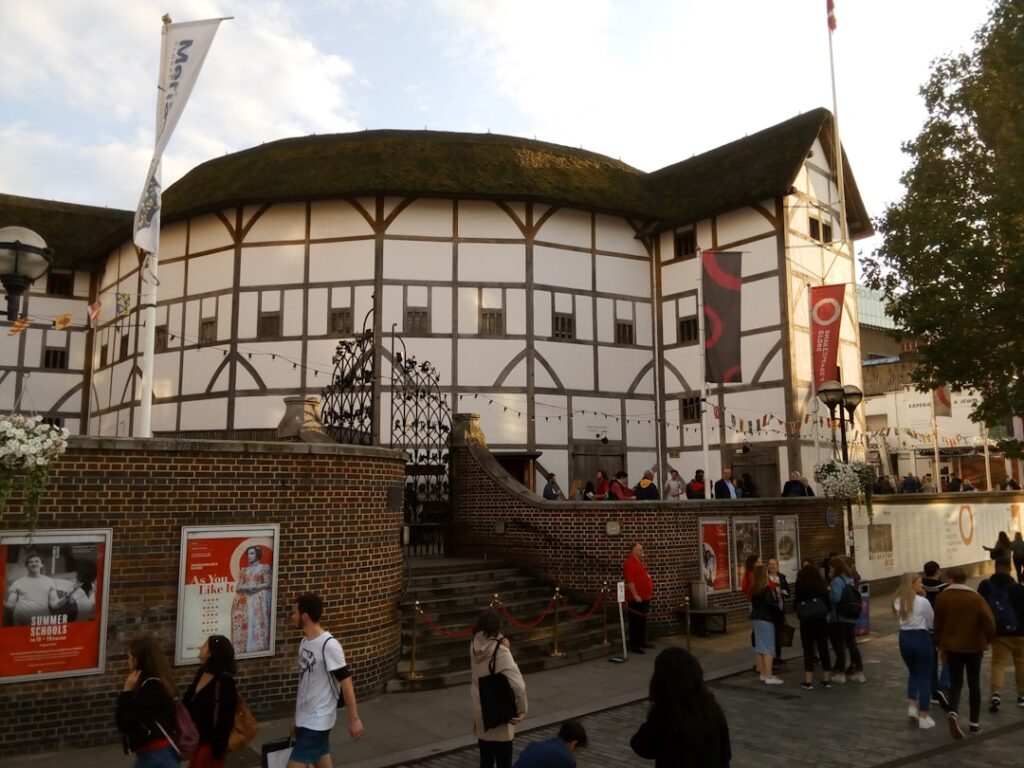
For English-speaking visitors exploring Shakespeare’s London and the Globe Theatre where his plays first came to life, the French chapter of his story offers a fascinating counterpoint. It reminds us that great art sometimes needs time, translation, and cultural upheaval to cross borders—and that the playwright from Stratford-upon-Avon ultimately conquered even the city that once wanted nothing to do with him.
Tours & experiences in Paris


Powered by Viator. Some links are affiliate links — we may earn a small commission at no extra cost to you.