
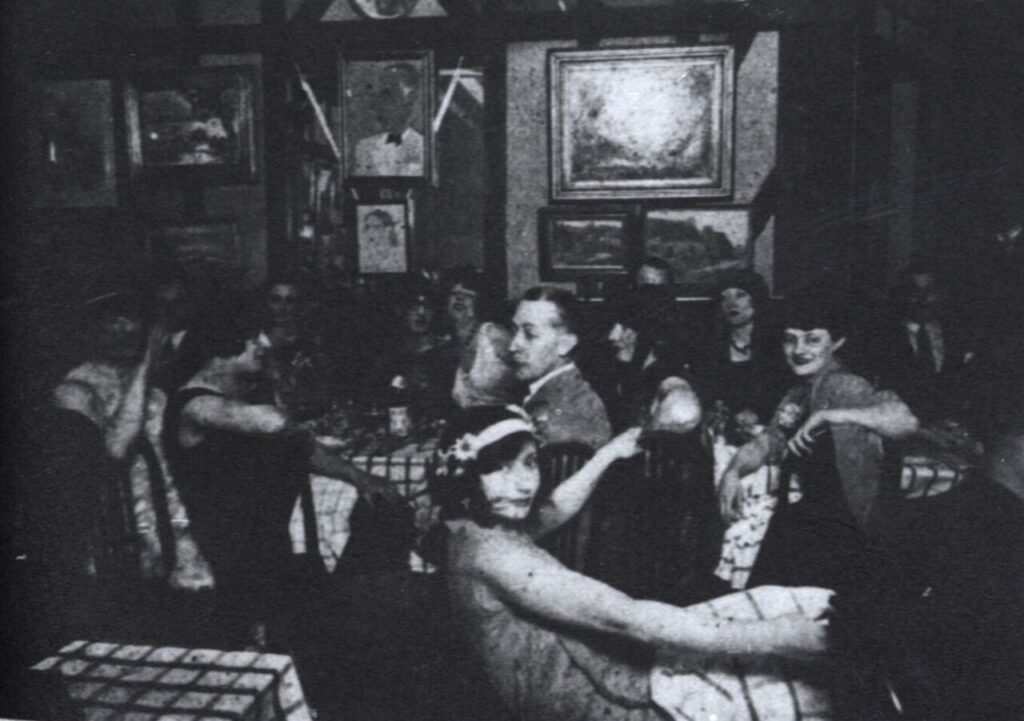
While Montmartre gets the guidebook glory for bohemian Paris, the 14th arrondissement’s Montparnasse neighborhood was where the real artistic revolution happened. In the 1920s, this was ground zero for modernism—where Hemingway wrote, Picasso painted, and Josephine Baker danced. Today, the neighborhood balances its legendary past with a lived-in present that makes it one of Paris’s most authentic quarters.
Unlike tourist-heavy areas, Montparnasse still feels like a working neighborhood where Parisians actually live. The historic cafés remain, but they’re surrounded by excellent bistros, intimate theaters, and quiet streets that hardly see a tour bus.
The Historic Cafés Where Art History Was Made
Four legendary brasseries anchor the Carrefour Vavin intersection at Boulevard du Montparnasse and Boulevard Raspail. La Coupole, opened in 1927, remains the grandest—its art deco interior decorated by 32 different artists, its red velvet banquettes still packed at lunch and dinner. Order the oysters and a glass of Sancerre at the bar, just as regulars have for nearly a century.
Across the street, Le Select (opened 1923) was the first Montparnasse café to stay open all night, making it a haven for insomniacs and artists on deadlines. Hemingway mentions it in The Sun Also Rises. Today it’s less touristy than its neighbors and serves excellent steak frites until 2 a.m.
La Rotonde and Le Dôme complete the quartet. Modigliani traded sketches for drinks at La Rotonde when he was broke. Le Dôme became the American writers’ canteen—F. Scott Fitzgerald, Henry Miller, and Anaïs Nin were regulars. These aren’t museum pieces; they’re working cafés where you can still spend an afternoon over coffee and a notebook.
Beyond the Famous Brasseries
Walk south down Rue de la Gaîté, Montparnasse’s theater street since the 18th century. The Théâtre de la Gaîté-Montparnasse and Théâtre Montparnasse still stage contemporary plays and musicals. Between performances, duck into La Crêperie de Josselin at number 67—it’s been serving authentic Breton galettes since 1982, with lines out the door on weekends.
The real finds are on the side streets. Rue Campagne-Première, just east of Boulevard Raspail, looks like a film set with its cobblestones and artists’ studios. Man Ray photographed here; Modigliani had a studio at number 3. At number 31, peek through the gate at the art nouveau tiles of a 1911 studio building designed for painters who needed northern light.
For the best produce market, head to Boulevard Edgar Quinet on Wednesday and Saturday mornings. It’s smaller than the famous markets but beloved by local chefs. The cheese vendor at the north end has been there for 30 years and will talk you through every raw-milk beauty in his case.
The Tower and the Cemetery
Yes, the Tour Montparnasse—Paris’s only skyscraper in the center—is brutally ugly from street level. That’s precisely why the view from the 56th floor is spectacular: it’s the only panorama of Paris that doesn’t include the Tour Montparnasse. The observation deck is less crowded than the Eiffel Tower and open until 11:30 p.m. in summer. Sunset here is unforgettable.
The Cimetière du Montparnasse, entered at 3 Boulevard Edgar Quinet, is smaller and quieter than Père Lachaise but equally star-studded. Baudelaire, Sartre and Simone de Beauvoir (buried together), Samuel Beckett, and Serge Gainsbourg all rest here. Pick up the free map at the entrance—the cemetery’s lanes twist in unexpected ways. The grave of sculptor Constantin Brâncuși features his own sculpture, The Kiss, in weathered limestone.
Getting There and Practical Tips
Métro line 4 stops at Vavin (for the cafés) and Raspail (for Rue Campagne-Première). Line 6 serves Montparnasse-Bienvenüe, the neighborhood’s main hub. From the Left Bank or Latin Quarter, it’s a pleasant 20-minute walk down Boulevard Raspail.
The historic brasseries are pricey for full meals—expect €30-45 per person—but coffee or a glass of wine at the bar costs the same as anywhere else. Go midafternoon to claim a good table without reservations.
The cemetery is open daily; hours vary by season but generally 8 a.m. to 5:30 p.m. in winter, until 6 p.m. in summer. It’s free, quiet, and rarely crowded before 10 a.m.
Combine Montparnasse with the nearby Luxembourg Gardens (a 15-minute walk east) or the Catacombs at Place Denfert-Rochereau (10 minutes south on line 4). Both neighborhoods share the same unhurried, intellectual atmosphere that makes this corner of the Left Bank special.
Want more insider stories about Paris’s most authentic neighborhoods? Subscribe to the Love Paris newsletter—one short story about the real Paris, delivered to your inbox each day.
Tours & experiences in Paris


Powered by Viator. Some links are affiliate links — we may earn a small commission at no extra cost to you.