
In the mid-19th century, as Europe entered the railway age, an ambitious project emerged to connect Paris with Rome through a continuous rail link. This engineering feat would transform travel between France and Italy and strengthen ties between the two nations.
The project required unprecedented international cooperation, threading through the Alps via the Mont Cenis Pass before descending into the Italian peninsula.
Engineering the Impossible
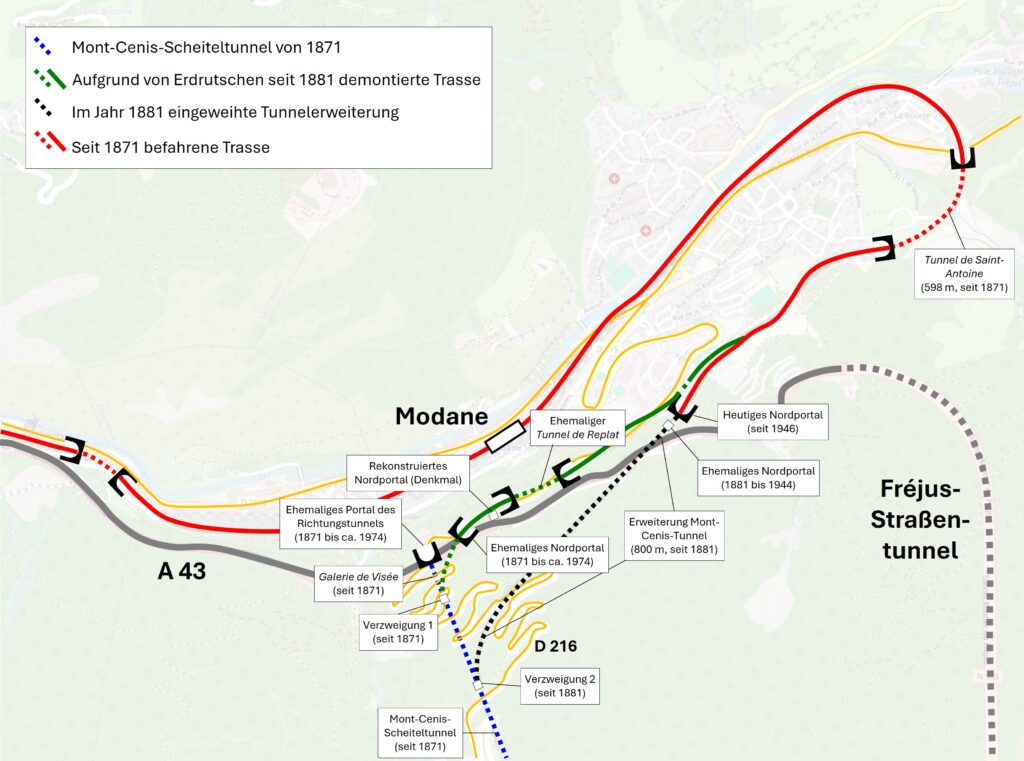
The Mont Cenis Railway Tunnel, completed in 1871, represented a triumph of 19th-century engineering. At over 13 kilometers, it was the longest tunnel in the world at the time, taking fourteen years to bore through solid rock. French and Italian teams worked simultaneously from both sides, meeting with remarkable precision in the mountain’s heart.
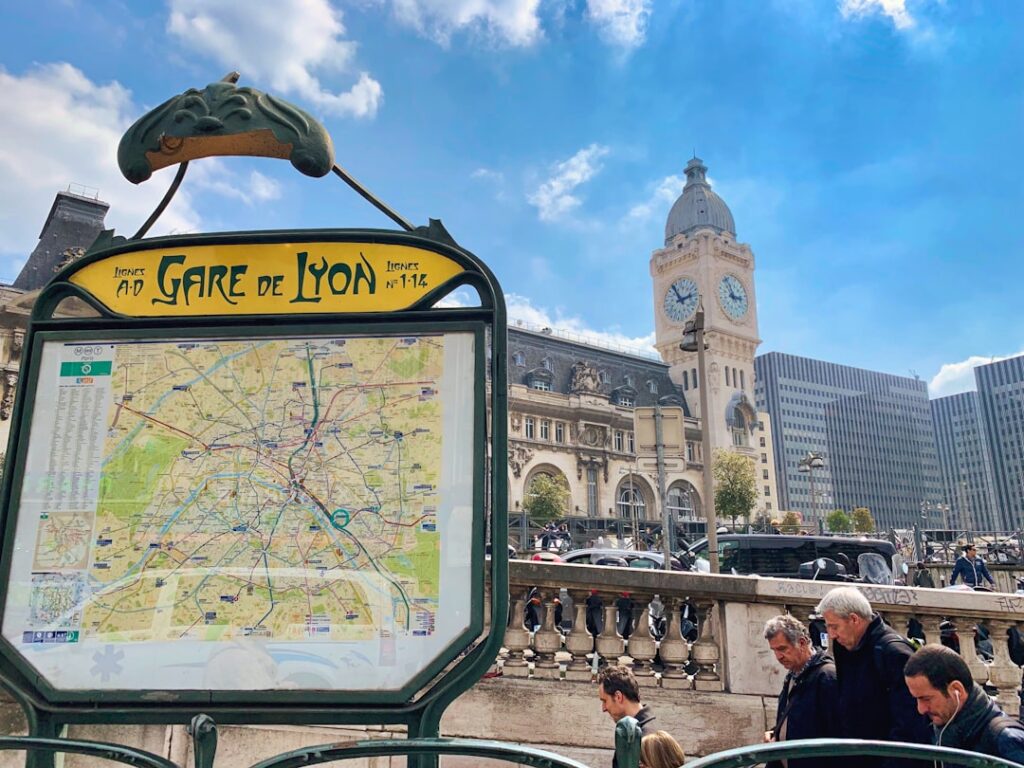
The tunnel’s completion enabled continuous rail travel between Paris and Rome, though it would take years before express services fully developed. By 1897, the Rome Express departed from the Gare de Lyon in Paris, completing the journey in approximately 22 hours—a dramatic improvement over the weeks of arduous coach travel previously required over treacherous mountain passes.
Cultural Exchange on Rails
The Paris-Rome rail connection facilitated an extraordinary cultural exchange. French Impressionists traveled to study Italian light and Renaissance masters. Italian opera companies brought productions to Parisian stages with greater ease. The railway democratized the Grand Tour, allowing middle-class travelers to experience what had once been an aristocratic privilege.
After World War II, Paris became a major destination for Italian workers, including many from central and southern Italy. For those interested in exploring these ancestral connections today, resources like Tracing Your Family in Lazio can help map migration patterns through archival research.
A Living Legacy
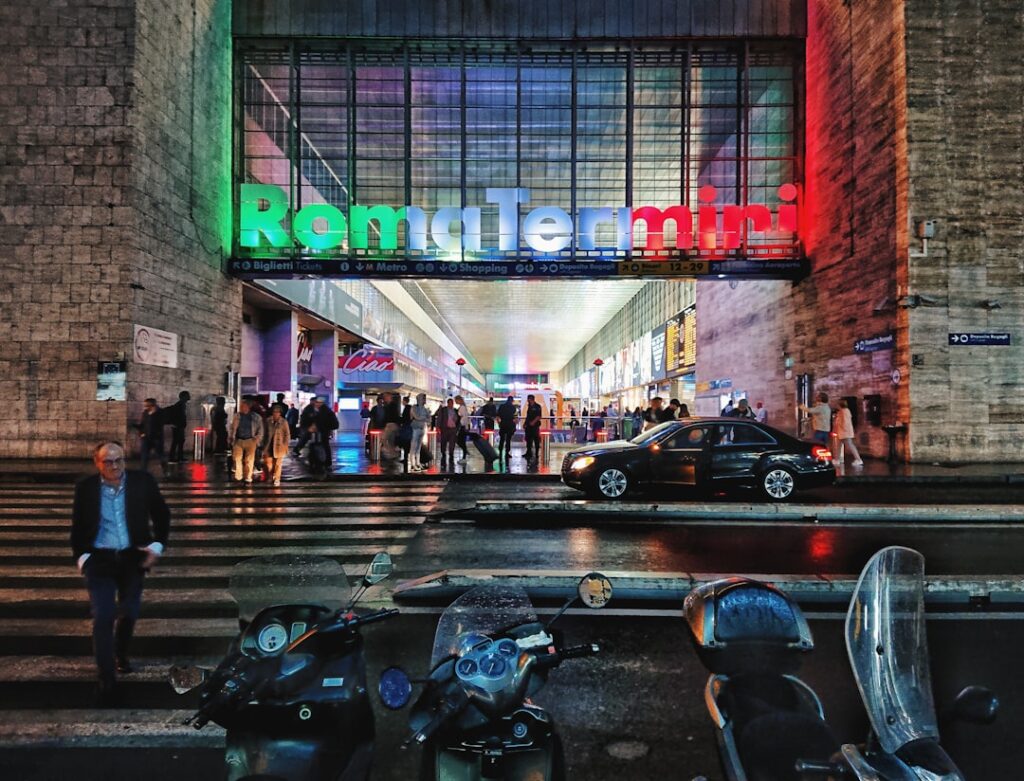
Today’s high-speed TGV trains cover the Paris-Rome route in under eleven hours, following much of the same path established over a century ago. The journey passes through some of Europe’s most stunning landscapes: the vineyards of Burgundy, the Swiss Alps, the lakes of northern Italy, and finally the Tuscan and Lazio countryside before arriving at Roma Termini.
The Gare de Lyon still displays period artwork celebrating international rail connections. These Belle Époque decorations remind modern travelers of an era when the Paris-Rome railway represented the height of modernity and international cooperation.
The railway’s construction fostered technical collaboration that extended beyond transportation. French and Italian engineers trained together, sharing innovations in tunneling, bridge construction, and railway signaling that influenced infrastructure projects across both nations for generations.
This iron link between Paris and Rome stands as a testament to how transportation infrastructure can forge lasting bonds between nations, enabling not just the movement of people and goods, but the exchange of ideas, culture, and family ties that continue to enrich both capitals today.
Tours & experiences in Paris


Powered by Viator. Some links are affiliate links — we may earn a small commission at no extra cost to you.