On the evening of 17 August 1661, Nicolas Fouquet, Louis XIV’s Superintendent of Finances, hosted the most spectacular party France had ever seen. At his newly completed Château de Vaux-le-Vicomte, just 55 kilometres southeast of Paris, Fouquet welcomed guests to gardens illuminated by thousands of torches, fountains choreographed to music, and a new play by Molière performed in the grounds. The king himself attended, toured the magnificent interiors, and dined on gold plate. Nineteen days later, Fouquet was arrested for embezzlement.
The story of Vaux-le-Vicomte is inseparable from Paris and the transformation of French royal power in the 17th century. Fouquet, born in Paris in 1615, rose through the capital’s legal and financial circles to become one of the most powerful men in France. His wealth—much of it acquired through creative accounting and loans to the perpetually cash-strapped crown—allowed him to commission a palace that would dwarf anything the young Louis XIV possessed.
The Creative Team
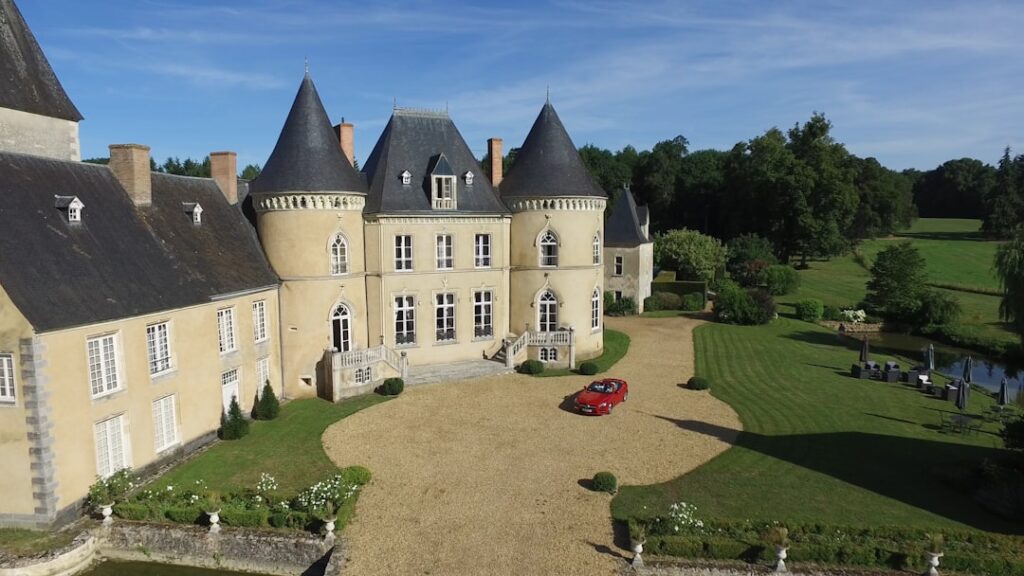
To build his masterpiece, Fouquet assembled three talents who would define French baroque aesthetics: architect Louis Le Vau, painter-decorator Charles Le Brun, and landscape designer André Le Nôtre. Le Vau had designed the Hôtel Lambert on the Île Saint-Louis in Paris; Le Brun was already established at the Académie Royale de Peinture; and Le Nôtre would become the most celebrated garden designer of his era.
Between 1656 and 1661, these three men created a unified vision of architecture, interior decoration, and landscape that had never been seen before. The château’s innovative design—with its oval salon projecting into the gardens, its enfilade of reception rooms, and its axis extending through formal parterres to a distant horizon—became the template for aristocratic architecture across Europe.
The King’s Jealousy
Louis XIV’s reaction to Vaux-le-Vicomte was immediate and vengeful. The palace outshone his own residences in Paris and Saint-Germain-en-Laye. Worse, it suggested that his finance minister had grown richer than the king himself. With the help of his new minister Jean-Baptiste Colbert—who had once worked for Fouquet and provided evidence against him—Louis had Fouquet arrested at Nantes. The disgraced minister would spend the rest of his life imprisoned in the fortress of Pignerol, dying in 1680.
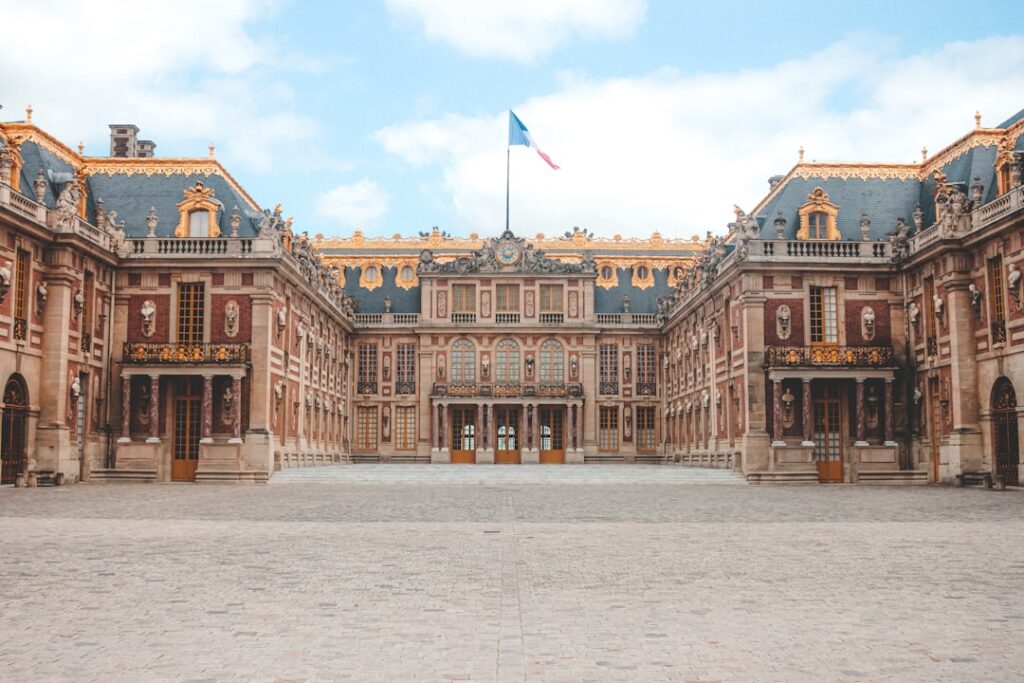
But the king’s revenge extended beyond Fouquet’s person. Louis XIV confiscated the tapestries, statues, and orange trees from Vaux-le-Vicomte and transported them to Paris and his hunting lodge at Versailles. More significantly, he appropriated the entire creative team. Le Vau, Le Brun, and Le Nôtre were immediately commissioned to transform Versailles into a palace that would eclipse Vaux in every dimension—larger, more lavish, and explicitly designed to glorify the Sun King rather than a mere minister.
A Lasting Legacy
Today, Vaux-le-Vicomte remains a popular day trip from Paris, easily reached by train to Melun and then taxi. The château hosts candlelit evenings on summer Saturdays, echoing Fouquet’s famous fête. Meanwhile, the palace that inspired Versailles stands as a monument to the dangerous ambition of a financier who forgot that in absolutist France, only one man could afford to build a palace fit for a king.
The three artists who created Vaux went on to spend decades working on Versailles, but their collaboration at Vaux-le-Vicomte established the French classical style that would dominate European architecture for generations. It remains one of history’s great ironies that the palace built to celebrate one man’s success instead became the blueprint for the absolute power that destroyed him.
Tours & experiences in Paris


Powered by Viator. Some links are affiliate links — we may earn a small commission at no extra cost to you.